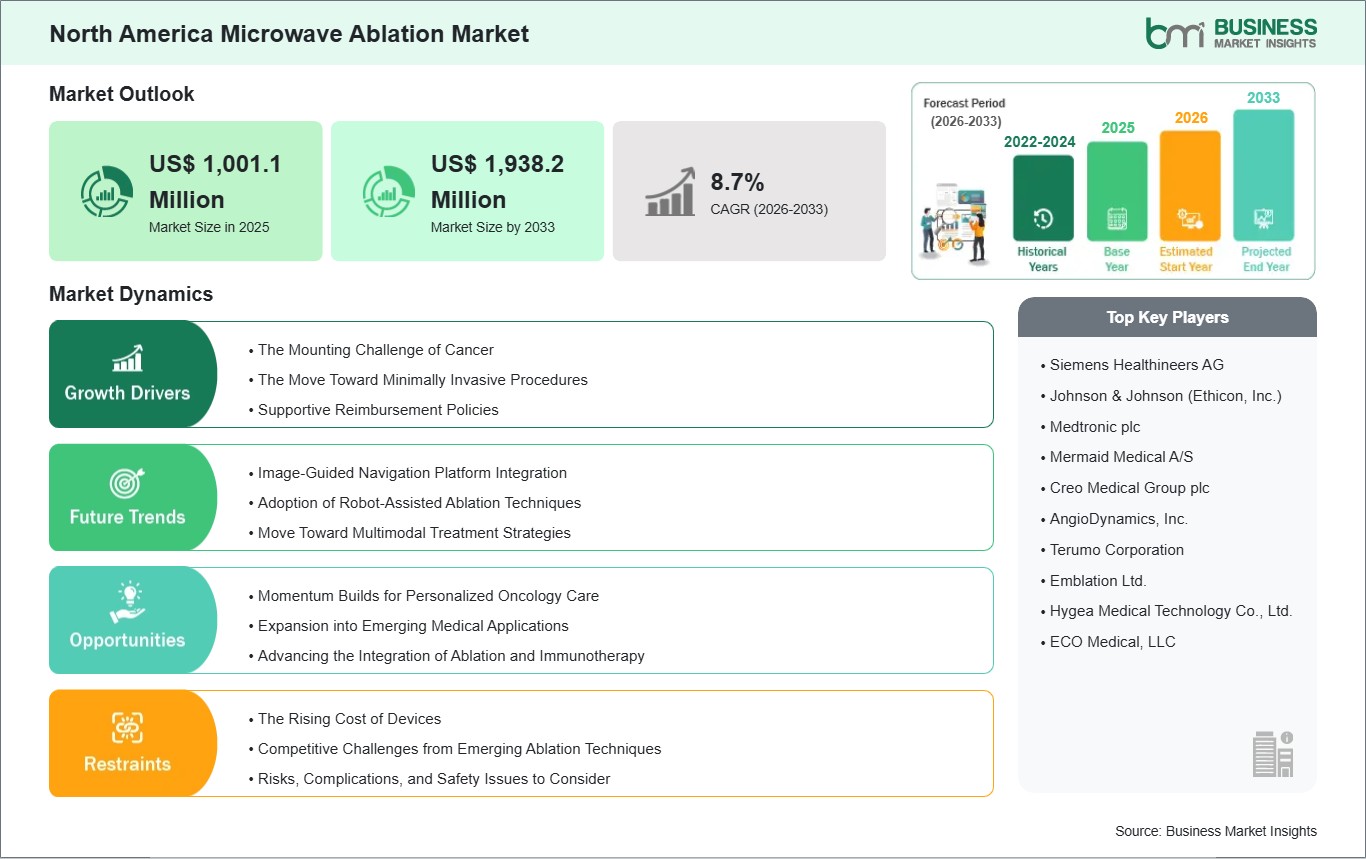
The Mounting Challenge of Cancer
As cancer remains one of the leading causes of morbidity and mortality in North America, clinicians are facing substantial caseloads of solid tumors that require diverse therapeutic approaches. With an aging population and robust screening programs, more patients are being diagnosed at stages where minimally invasive interventional options are considered alongside traditional surgery and systemic treatments.
Healthcare systems in North America are responding to this challenge by expanding the availability of advanced image‑guided therapies in hospitals, cancer centers, and outpatient facilities. Microwave ablation has been increasingly adopted as a treatment modality for tumors in organs such as the liver, lung, kidney, and bone, where focused thermal destruction may offer clinical utility with reduced procedural burden. Interventional radiologists and oncology specialists are incorporating this technology into treatment workflows to manage complex cases that may not be suitable for open surgery.
In addition, pressure on surgical suites and inpatient capacity has encouraged providers to seek alternatives that can deliver effective tumor control while minimizing hospital stays. Microwave ablations relatively streamlined procedural requirements and potential for faster recovery are seen as practical advantages in high‑volume clinical environments. As cancer incidence continues to challenge clinical resources and patient demand persists, the market for microwave ablation systems and procedures in North America is expected to expand steadily in response to this mounting clinical need.
Momentum Builds for Personalized Oncology Care
Clinicians and care teams in North America are placing greater emphasis on treatment strategies tailored to individual patient and tumor characteristics. Precision medicine has become a core component of cancer care planning, supported by advanced diagnostics, genomic insights, and multidisciplinary coordination. Within this evolving landscape, microwave ablation is positioned as a customizable treatment option that can be adapted to specific clinical scenarios, particularly for patients seeking less invasive alternatives to conventional surgery.
Multidisciplinary tumor boards are standard practice in many North American institutions, where oncologists, interventional specialists, and radiologists collaboratively design individualized care plans. These teams consider factors such as lesion size, location, patient health status, and expected quality‑of‑life outcomes when determining optimal treatment pathways. Microwave ablation’s ability to deliver targeted thermal energy under real‑time imaging guidance aligns well with these tailored approaches, enabling clinicians to refine procedural parameters to match patient‑specific needs.
Patient preferences are also accelerating adoption of personalized cancer treatments. Many patients are seeking therapeutic options that offer effective outcomes with reduced side effects, shorter recovery times, and the possibility of outpatient or same‑day procedural care. Microwave ablation’s minimally invasive profile and compatibility with precision treatment protocols resonate with these expectations, reinforcing its role within personalized oncology. As demand for individualized care continues to grow across North America, the microwave ablation market is expected to benefit from both clinical momentum and evolving patient‑centered priorities.