The Expanding Impact of Cancer
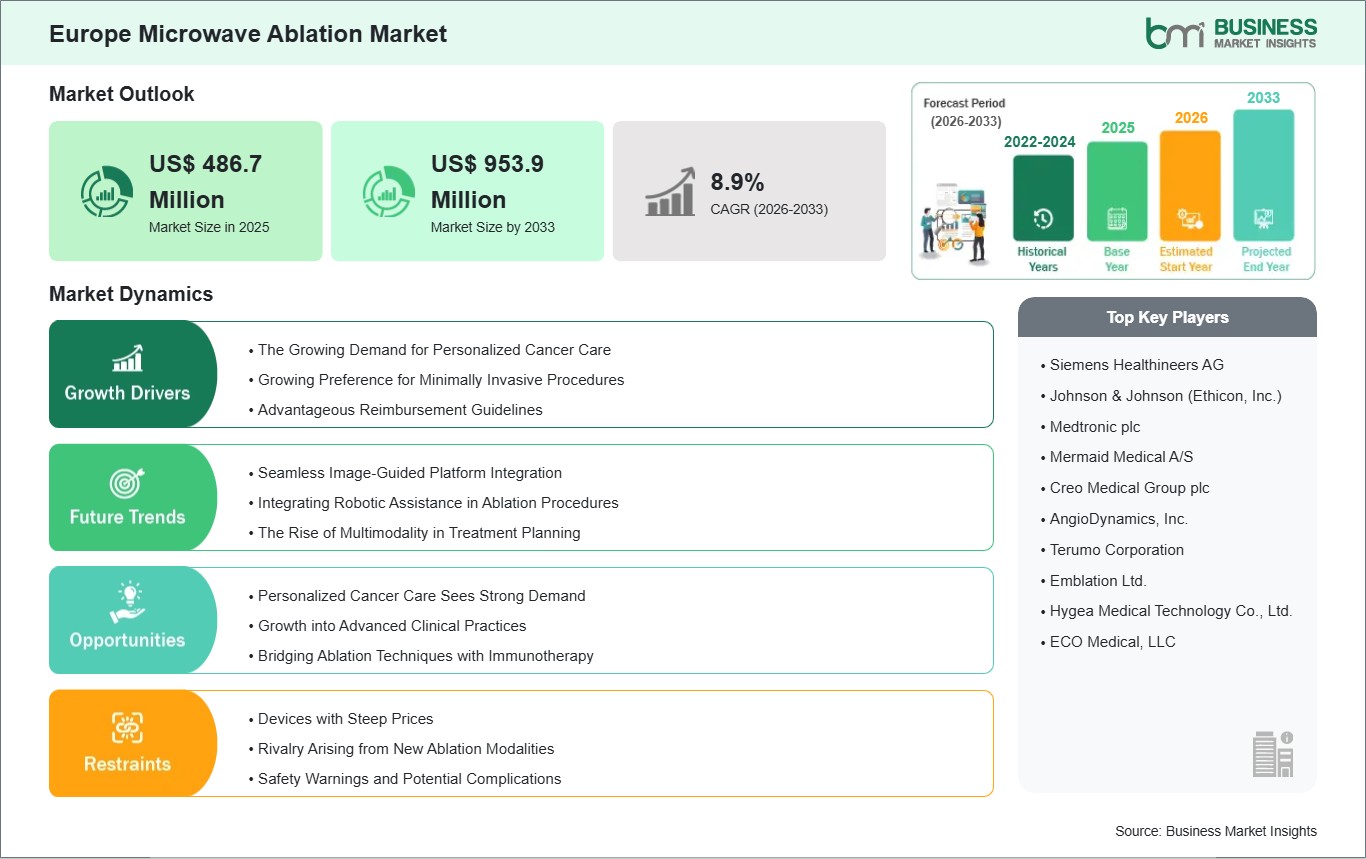
The Europe microwave ablation market is being shaped by the continued rise in cancer incidence across the region. With aging populations and increased exposure to lifestyle‑related risk factors, solid tumors such as liver, lung, and colorectal cancers are becoming more common in clinical practice. This expanding cancer burden is prompting healthcare systems to explore a wider range of therapeutic options that can meet diverse clinical needs, particularly for patients who may not be ideal candidates for extensive surgery.
In many European countries, there is a strong emphasis on early detection and comprehensive cancer care pathways, which has led to an increase in the number of patients being evaluated for interventional procedures. Imaging‑guided therapies like microwave ablation have gained clinical traction as part of multidisciplinary oncology services, particularly in large cancer centers and tertiary care hospitals. Clinicians are increasingly considering ablation techniques to manage tumors with reduced morbidity compared with open surgical approaches, especially in older patients or those with comorbid conditions.
Additionally, growing investments in oncology infrastructure across the region are supporting broader clinical adoption of minimally invasive technologies. Many healthcare systems are integrating advanced ablation platforms into existing diagnostic and therapeutic workflows, allowing interventional radiology units to expand procedural offerings. As cancer incidence continues to rise across Europe, demand for microwave ablation solutions is expected to remain robust, driven by the need to deliver effective and efficient care within resource‑intensive oncology environments.
The Growing Demand for Personalized Cancer Care
There is a pronounced shift in Europe toward personalized cancer care, with physicians increasingly tailoring treatment plans to individual patient and tumor characteristics. Precision medicine concepts are gaining ground, supported by sophisticated diagnostic tools and multidisciplinary treatment planning. Microwave ablation fits well within this personalized care matrix because it allows for targeted thermal destruction of tumor tissue while sparing surrounding healthy structures.
Across Europe, multidisciplinary tumor boards are becoming standard practice in cancer clinics, with specialists from oncology, radiology, surgery, and pathology collaborating to determine the most appropriate treatment strategies. This collaborative approach favors technologies that offer clinical flexibility, enabling teams to adapt treatments based on tumor size, location, and patient profile. Microwave ablation's ability to be combined with real‑time imaging and customized procedural protocols makes it an attractive option within tailored treatment plans, particularly for inoperable or hard‑to‑reach lesions.
Patient preferences and outcomes are also shaping the European oncology landscape. There is increasing demand from patients for treatments that balance efficacy with quality of life, including shorter hospital stays, fewer complications, and quicker return to routine activities. Minimally invasive therapies that can be adjusted to individual clinical scenarios meet these expectations, contributing to the rising uptake of procedures like microwave ablation. As personalized cancer care continues to expand across Europe, the market for microwave ablation systems is expected to grow in tandem with clinical demand and patient‑centered treatment paradigms.