Rising Prevalence of Cardiovascular Diseases
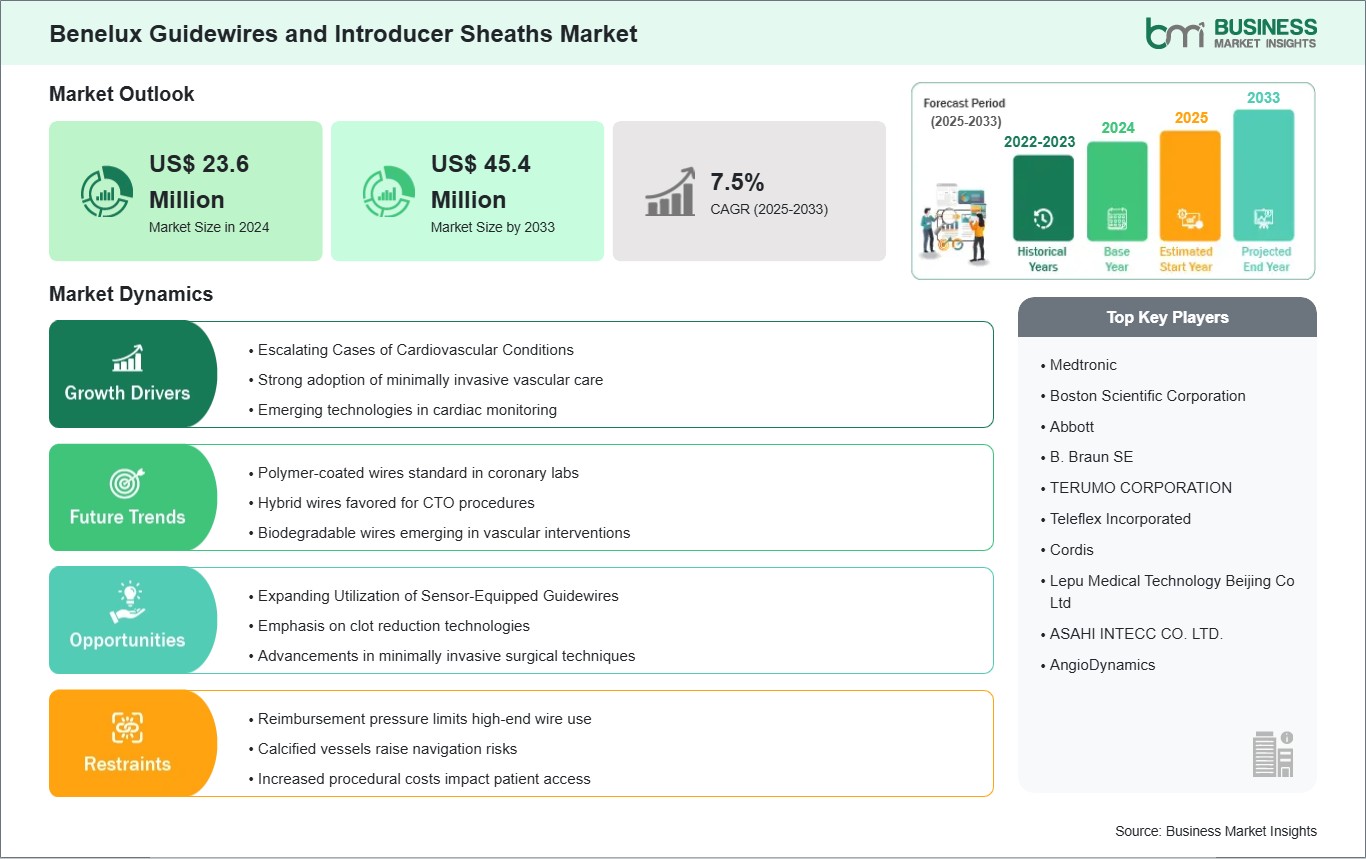
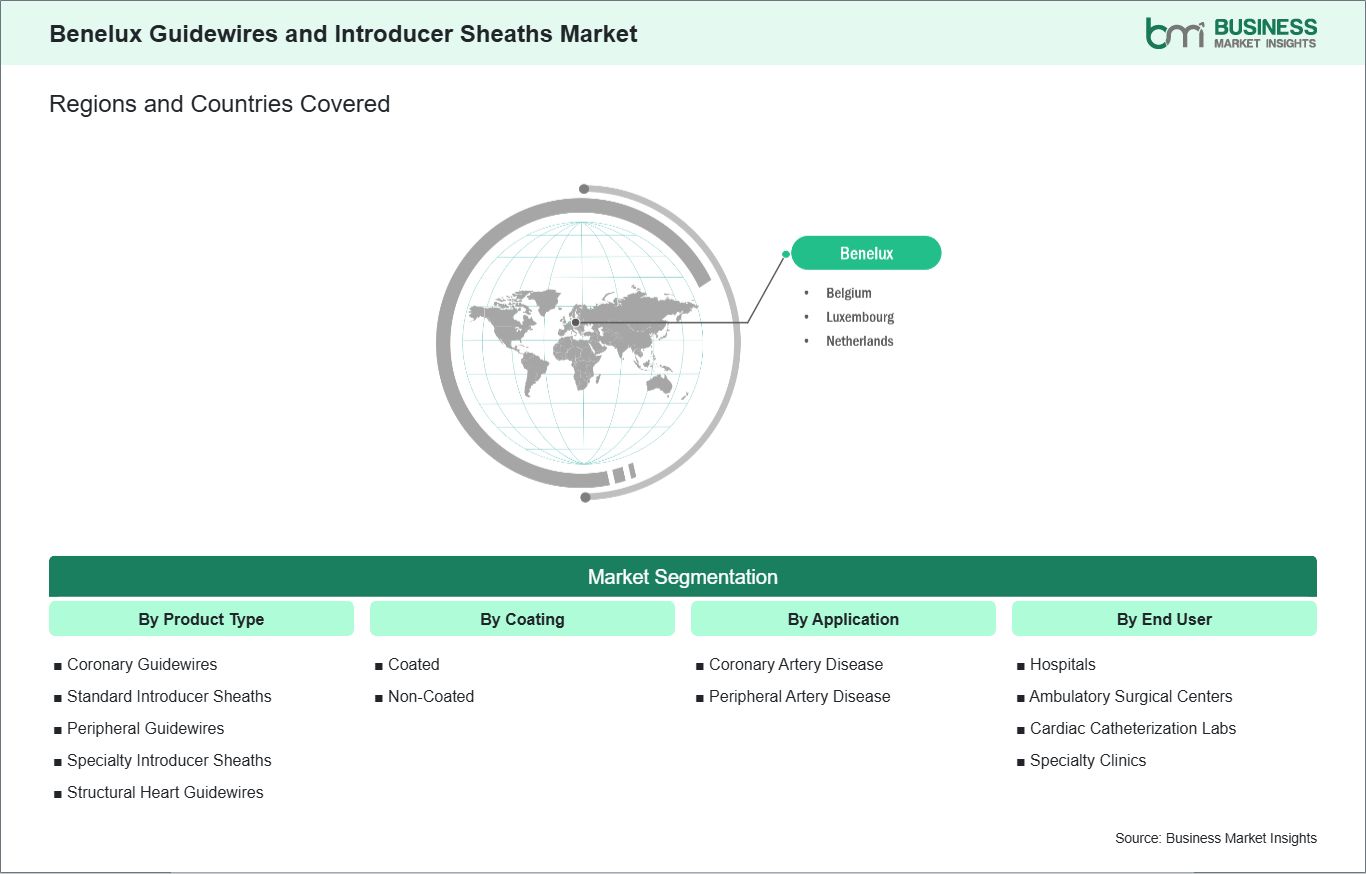
Benelux faces a moderate but steady increase in cardiovascular diseases, largely influenced by aging populations, sedentary lifestyles, and high prevalence of obesity and hypertension. Belgium and the Netherlands report rising cases of coronary artery disease, while Luxembourg's small but aging population shows increasing peripheral vascular conditions. This epidemiological trend is steadily fueling the demand for interventional cardiology solutions, including guidewires and introducer sheaths.
Healthcare systems in Benelux are highly structured, with strong public and private hospital networks equipped with advanced catheterization laboratories. Hospitals in Amsterdam, Brussels, and Luxembourg City are expanding minimally invasive cardiology programs to address growing CVD incidence. This infrastructure development directly supports higher utilization of guidewires and introducer sheaths in both diagnostic and therapeutic procedures.
Government-led initiatives targeting early detection and prevention of cardiovascular diseases are also influencing market demand. Screening campaigns and incentives for minimally invasive procedures increase procedural volumes and patient access to advanced care. As awareness and healthcare access improve, the Benelux guidewires and introducer sheaths market is expected to grow steadily, driven by both clinical needs and structured healthcare policies in the coming years.
Growing Adoption of Sensor-Enabled Guidewires
Benelux hospitals are increasingly exploring sensor-enabled guidewires to enhance precision in interventional procedures. These devices provide real-time physiological measurements, allowing physicians to assess lesion severity and optimize stent placement during coronary interventions. Leading cardiac centers in Amsterdam, Rotterdam, and Brussels are integrating this technology to improve procedural outcomes and reduce complication rates.
The adoption of sensor-enabled guidewires is supported by the region's emphasis on evidence-based medicine. By enabling accurate pressure and flow measurements during interventions, these devices help physicians make informed decisions, reduce unnecessary procedures, and enhance patient recovery. The result is improved efficiency in high-volume cardiac centers, aligning with the Benelux healthcare system's focus on quality, safety, and cost-effectiveness.
Collaboration between global MedTech companies and local distributors is accelerating availability and clinician training for sensor-enabled technologies. Workshops, proctoring programs, and demonstration projects are making these advanced guidewires more accessible to hospitals across the region. With continued infrastructure modernization and a commitment to high standards of cardiac care, sensor-enabled guidewires are poised to become a key driver of market growth in the Benelux guidewires and introducer sheaths market.