Rising Prevalence of Cardiovascular Diseases
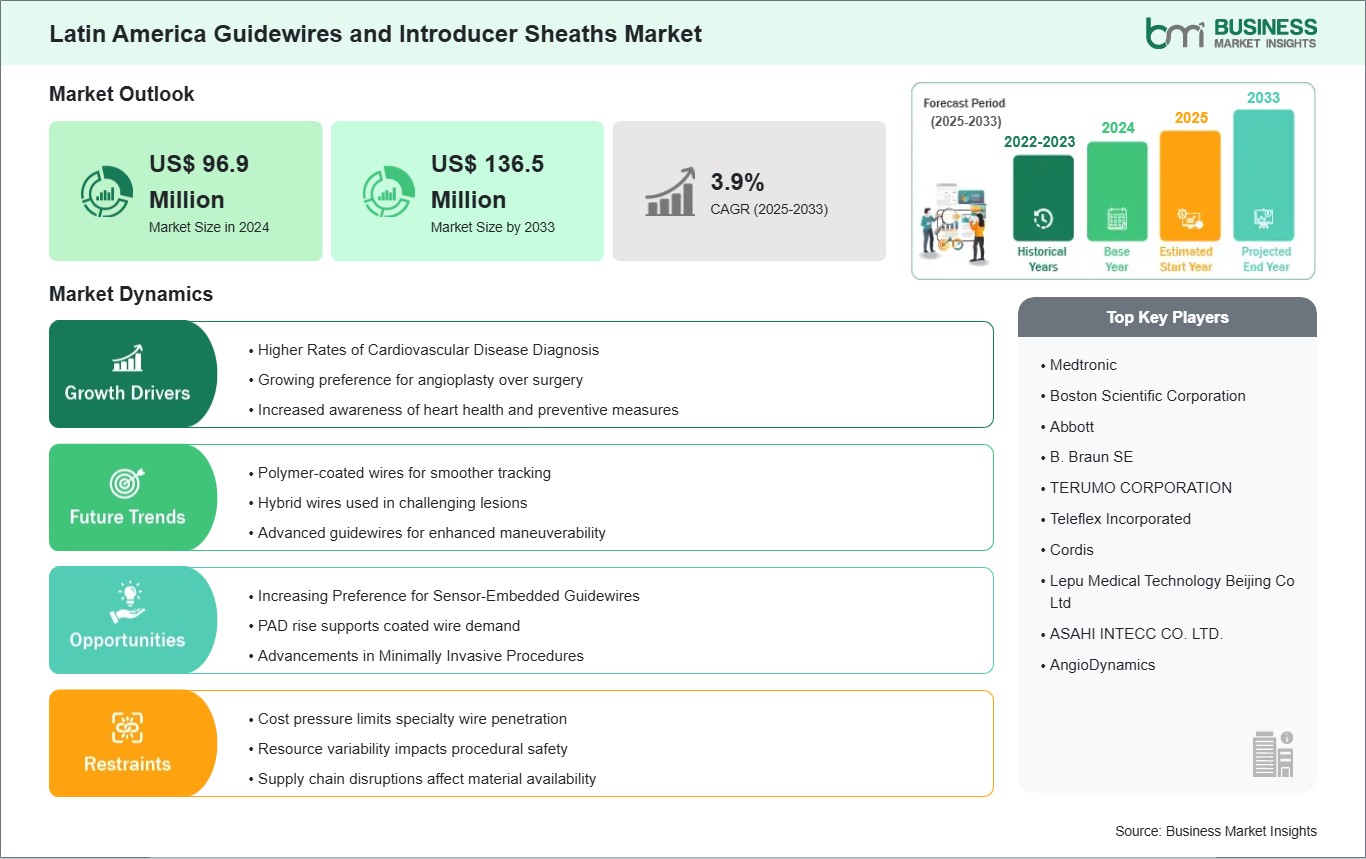
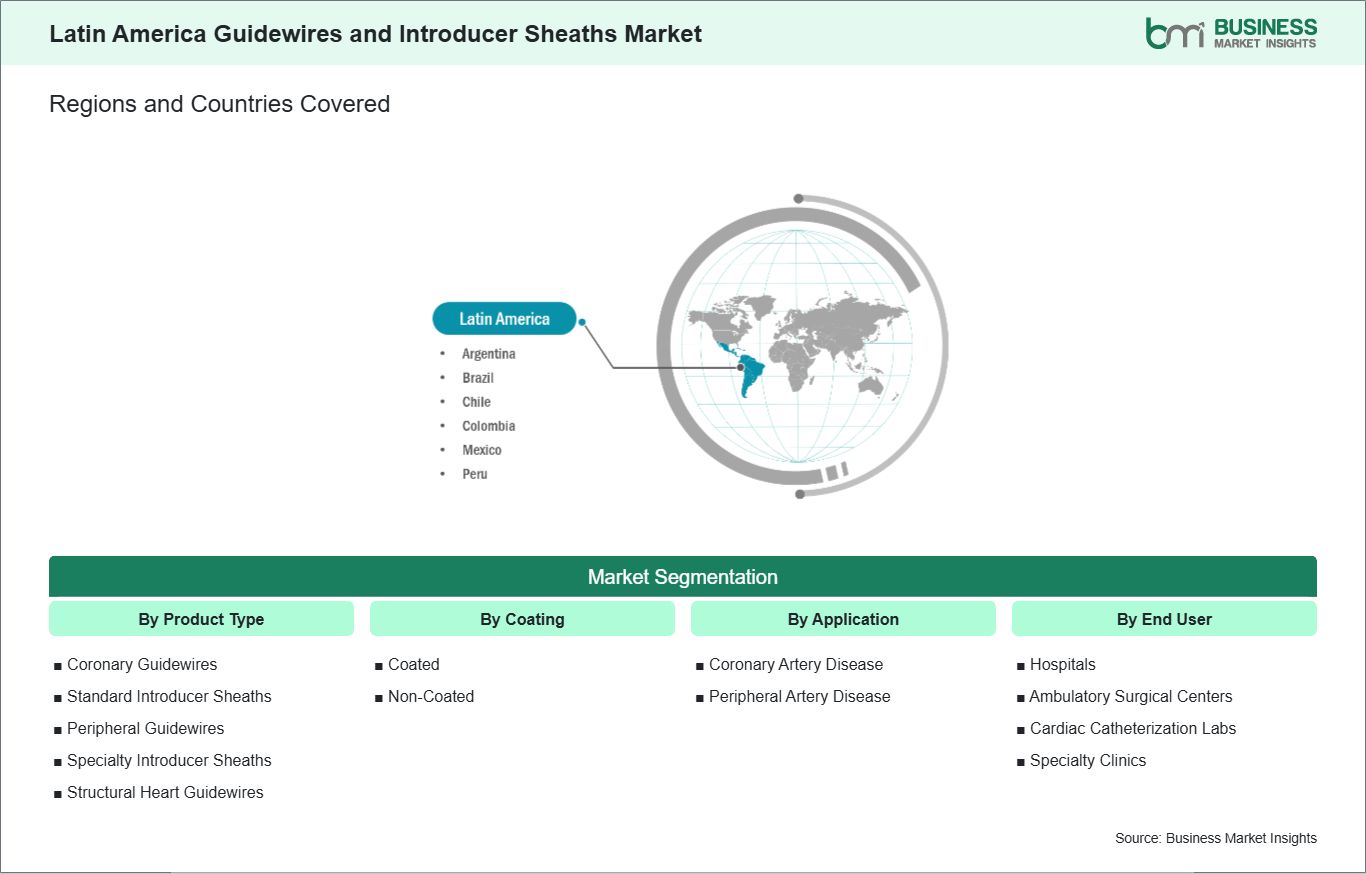
Latin America is seeing a sustained rise in cardiovascular diseases as urbanization, dietary changes, and increasing diabetes rates reshape the region's health profile. Countries such as Brazil, Mexico, Argentina, and Colombia are reporting a higher incidence of coronary artery disease and peripheral vascular disorders, particularly among middle-aged and elderly populations. This growing disease burden is translating into higher demand for catheter-based cardiac and vascular interventions, driving steady usage of guidewires and introducer sheaths across the region.
Healthcare systems in Latin America are scaling up interventional cardiology capacity to meet this demand. Large public hospitals in Brazil and Mexico, with expanding private cardiac networks in Chile and Colombia, are investing in modern catheterization laboratories and imaging systems. These upgrades support rising volumes of angiography, angioplasty, and endovascular procedures, which depend on reliable guidewires and introducer sheaths for procedural success.
Patient awareness of minimally invasive treatments is improving in major urban centers such as São Paulo, Mexico City, and Buenos Aires. More patients are opting for catheter-based therapies over surgical alternatives due to faster recovery and lower complication risks. This shift in treatment preference is reinforcing the long-term demand outlook for guidewires and introducer sheaths across Latin America's evolving cardiovascular care landscape.
Growing Adoption of Sensor-Enabled Guidewires
The use of sensor-enabled guidewires is increasing in Latin America as leading hospitals seek to enhance the precision of coronary and peripheral interventions. These devices provide real-time pressure and flow data, helping physicians assess the functional significance of arterial blockages more accurately. Advanced cardiac centers in Brazil, Mexico, and Chile are among the early adopters, using these technologies to support more informed clinical decision-making.
Sensor-enabled guidewires are valuable in the region, where patients often present with advanced or complex coronary disease. By enabling physicians to determine which lesions truly require treatment, these devices help reduce unnecessary stenting and improve procedural outcomes. This aligns well with the region's growing focus on cost-effective care and utilization of hospital resources, especially in high-volume public and private cardiac centers.
International medical device companies are strengthening their presence in Latin America through distributor partnerships, training programs, and technical support for advanced guidewire technologies. These efforts are expanding clinician familiarity and confidence in sensor-enabled devices, accelerating their adoption beyond top-tier hospitals. As cardiovascular care continues to modernize across the region, sensor-enabled guidewires are expected to become an important driver of value and differentiation in the Latin America guidewires and introducer sheaths market.