
Veterinary Drugs Market Outlook: Size, Share, Trends, Growth Analysis, Competitive Landscape & Forecast, 2026-2033

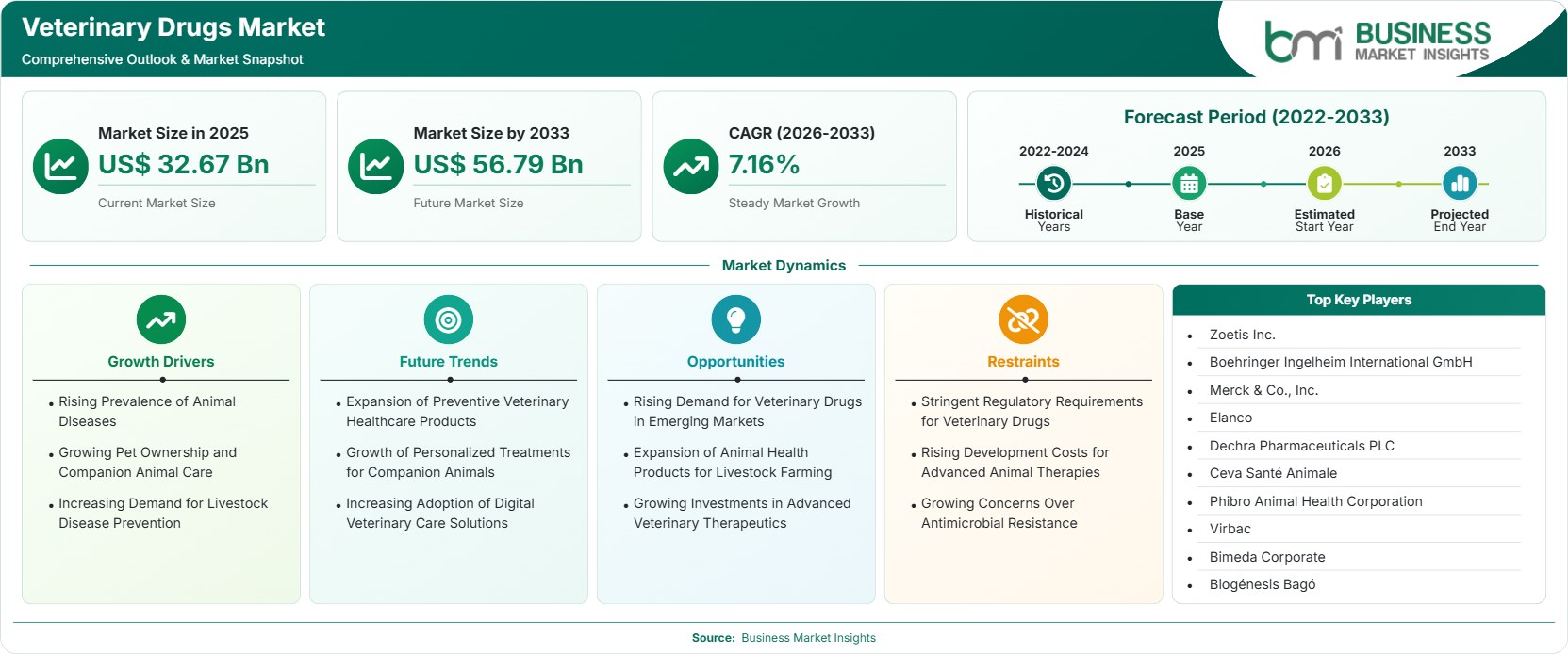
The Veterinary Drugs Market size was valued at US$ 32.67 Billion in 2025 and is projected to reach US$ 56.79 Billion by 2033, growing at a CAGR of 7.16% during 2026–2033. Increasing animal healthcare expenditure, rising prevalence of infectious diseases in animals, and growing awareness regarding preventive veterinary care are supporting market growth globally. Expanding livestock production and increasing pet ownership are further contributing to demand for veterinary pharmaceutical products across developed and emerging markets.

Report Coverage
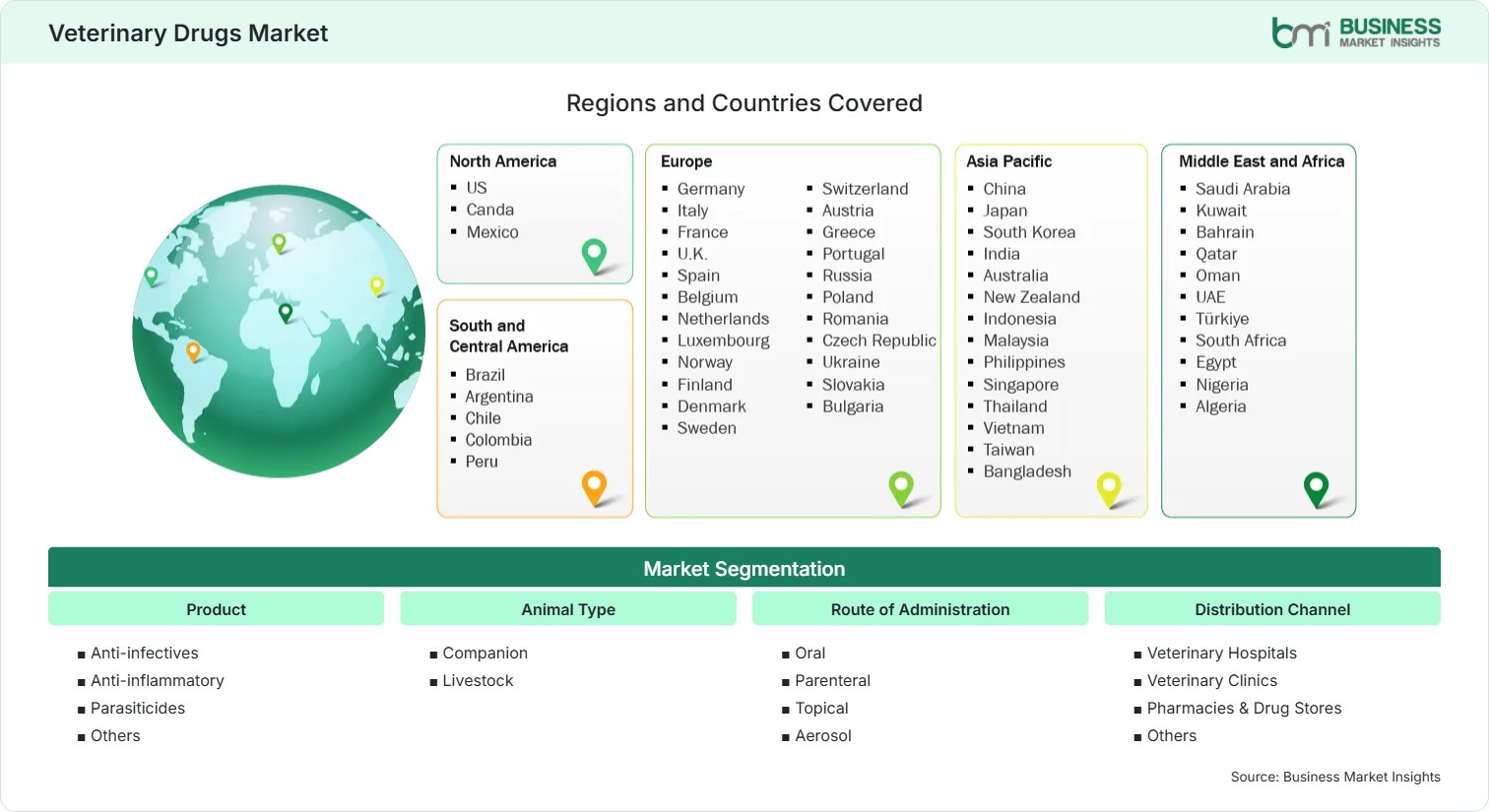
  • Product: Anti-infectives, Anti-inflammatory, Parasiticides, Others
  • Animal Type: Companion, Livestock
  • Route of Administration: Oral, Parenteral, Topical, Aerosol
  • Distribution Channel: Veterinary Hospitals, Veterinary Clinics, Pharmacies & Drug Stores, Others
US$ 32.67 Bn Market size in 2025
US$ 56.79 Bn Market Size by 2033
7.16% CAGR, 2026 - 2033
2026-2033 Forecast Period

AI Overview

Veterinary Drugs Market Summary

  • North America Region: North America holds a market share of 35%–38% in 2025, growing with a CAGR of 6.8%–7.5% during 2026–2033. Strong animal healthcare infrastructure, high pet ownership, and increasing spending on veterinary services continue supporting regional leadership. The U.S. veterinary drugs market is expected to register a CAGR of 7.0%–7.7%.
  • Fastest Growing Region: Asia Pacific accounts for 27%–30% share in 2025 and is projected to grow at a CAGR of 7.8%–8.5% through 2033. Expanding livestock industries, rising animal healthcare awareness, and improving veterinary services continue driving regional growth.
  • Leading Segment: Anti-infectives represent 31%–34% share in 2025 and are expected to grow at a CAGR of 7.2%–7.9% through 2033. Growing focus on disease prevention and treatment continues supporting segment dominance.
  • High Growth Segment: Livestock accounts for 56%–59% share in 2025 and is forecast to grow at a CAGR of 7.5%–8.2% during 2026–2033. Increasing demand for animal protein and livestock health management continues accelerating segment growth.
  • Key Market Opportunity: Expansion of preventive animal healthcare programs, advanced therapeutics, livestock disease management solutions, and companion animal treatment services is creating substantial growth opportunities.
  • Major Market Players: Zoetis Inc., Boehringer Ingelheim International GmbH, Merck & Co., Inc., Elanco, Dechra Pharmaceuticals PLC, Ceva Santé Animale, Phibro Animal Health Corporation, Virbac, Bimeda Corporate, and Biogénesis Bagó.
Strategic Insights

Veterinary Drugs Market: Strategic Insights

Veterinary Drugs Market Strategic Framework
FREE PDF
Request your free sample
Request free sample
Stakeholder View

Key Takeaways

  • Veterinary drugs remain essential for maintaining animal health, preventing diseases, improving productivity, and supporting overall livestock and companion animal well-being.
  • Anti-infectives continue representing the leading product segment, supported by persistent demand for treating and controlling bacterial and other infectious diseases.
  • Livestock remains the largest animal type category, driven by extensive cattle, poultry, swine, and other farm animal populations worldwide.
  • Growing awareness of preventive animal healthcare is increasing demand for vaccines, antiparasitic treatments, nutritional therapies, and routine disease management solutions.
  • Companion animal care is supporting growth in premium veterinary treatments as pet ownership and spending on animal healthcare continue increasing.
  • North America remains the leading market, supported by advanced veterinary healthcare infrastructure, high treatment adoption, and strong research capabilities.
  • Asia Pacific is projected to witness the fastest growth, driven by expanding livestock industries and increasing animal healthcare investments.
  • Advanced therapeutics, vaccines, diagnostics, and disease prevention programs are expected to create significant future opportunities.
Geographic Outlook

Veterinary Drugs Market Regional Highlights

North America Veterinary Drugs Market

North America accounts for 35%–38% Veterinary Drugs Market share in 2025 and is projected to grow at a CAGR of 6.8%–7.5% through 2033. The region benefits from advanced veterinary healthcare infrastructure, high animal healthcare spending, and strong awareness regarding animal welfare.

  • Pet owners continue increasing spending on preventive and therapeutic veterinary treatments to support longer, healthier, and better-quality lives for companion animals.
  • Veterinary healthcare providers are expanding adoption of advanced pharmaceutical products, including improved treatments for infections, chronic conditions, and complex animal diseases.
  • Companion animal care remains a major contributor to veterinary drug demand, supported by rising pet ownership and growing awareness of routine veterinary care.
  • Livestock producers continue investing in disease prevention, vaccination, and animal health management to improve productivity, reduce losses, and maintain herd health.
  • Regulatory oversight supports the availability, safety, quality, and efficacy of veterinary pharmaceutical products across developed and emerging markets.
  • Ongoing research and development activities are encouraging innovation in therapeutics, vaccines, diagnostics, and other animal healthcare solutions, supporting long-term market opportunities.

US Veterinary Drugs Market

The United States contributes approximately 89%–93% of North American revenue and is expected to register a CAGR of 7.0%–7.7% through 2033. The country remains the largest veterinary drugs market due to strong veterinary infrastructure and significant animal healthcare expenditure.

  • Pet healthcare services continue expanding across both urban and rural regions.
  • Veterinary clinics are increasingly utilizing advanced treatment protocols and pharmaceuticals.
  • Livestock producers remain focused on improving herd health and productivity.
  • Growing awareness regarding preventive care is supporting veterinary drug adoption.
  • Industry participants continue investing in drug development and product innovation.
  • Rising demand for companion animal treatments remains favorable for market expansion.

Europe Veterinary Drugs Market

Europe represents 23%–26% of global revenue in 2025 and is anticipated to expand at a CAGR of 6.9%–7.6% through 2033. Increasing attention toward animal welfare and disease prevention continues supporting regional growth.

  • Germany continues leading regional demand through its well-established veterinary healthcare sector.
  • Poland is among the fastest-growing markets and is estimated to register a CAGR of 7.8%–8.5% during the forecast period.
  • Livestock producers continue prioritizing animal health management programs.
  • Veterinary professionals are adopting advanced pharmaceutical therapies for disease treatment.
  • Growing companion animal populations are supporting market growth.
  • Investments in veterinary research and development continue strengthening industry capabilities.

Asia Pacific Veterinary Drugs Market

Asia Pacific accounts for 27%–30% of global revenue in 2025 and is expected to achieve the fastest CAGR of 7.8%–8.5% through 2033. Expanding livestock production, increasing awareness regarding animal diseases, and improving veterinary services continue supporting strong regional growth.

  • China remains the largest regional veterinary drugs market due to its extensive livestock industry.
  • India is projected to achieve approximately 8.7%–9.4% CAGR, supported by growing animal healthcare awareness.
  • Livestock disease management programs continue driving pharmaceutical demand.
  • Governments are increasingly supporting improvements in veterinary healthcare infrastructure.
  • Companion animal ownership continues increasing across major economies.
  • Growing focus on food safety remains supportive of animal health investments.

Rest of World Veterinary Drugs Market

Rest of World accounts for 8%–11% of global revenue in 2025 and is projected to expand at a CAGR of 6.2%–6.9% through 2033. Increasing awareness regarding animal healthcare and expanding veterinary services continue supporting market development.

  • Brazil continues generating demand through its large livestock production industry.
  • The UAE is witnessing growing investments in veterinary healthcare services.
  • Saudi Arabia is expected to achieve approximately 7.1%–7.8% CAGR through 2033, supported by livestock modernization initiatives.
  • Disease prevention programs continue encouraging adoption of veterinary pharmaceutical products.
  • Expanding veterinary infrastructure is improving treatment accessibility.
  • Animal health awareness initiatives remain supportive of long-term market growth.
Global Market Geography
FREE PDF
Request your free sample
Request free sample
Segment Analysis

Veterinary Drugs Market Segmentation

Product

The product segment represents the major categories of pharmaceutical products used for the prevention and treatment of animal diseases. This segment accounts for approximately 31%–34% share in 2025 and is projected to grow at a CAGR of 7.2%–7.9% through 2033. The expanding Veterinary Drugs Market Scope is supported by increasing focus on disease prevention, rising veterinary healthcare expenditure, and growing awareness regarding animal welfare across companion and livestock animals.

  • Anti-infectives: Anti-infectives dominate the market due to their extensive use in treating bacterial, viral, and fungal infections affecting animals.
  • Anti-inflammatory: Anti-inflammatory drugs continue witnessing strong adoption for pain management, injury treatment, and post-surgical care applications.
  • Parasiticides: Parasiticides remain essential for controlling internal and external parasites that affect animal health and productivity.
  • Others: Other products include vaccines, hormonal therapies, nutritional supplements, dermatological products, and specialty veterinary pharmaceuticals.

Animal Type

The animal type segment highlights the primary animal categories receiving veterinary drug treatments. This segment accounts for approximately 56%–59% share in 2025 and is expected to register a CAGR of 7.5%–8.2% through 2033. Current Veterinary Drugs Market Trends indicate sustained demand for both livestock health management and companion animal healthcare solutions.

  • Companion Animals: Companion animals continue driving demand for premium veterinary pharmaceuticals as pet owners increasingly seek advanced treatment options and preventive healthcare products.
  • Livestock: Livestock dominates the segment due to large-scale use of veterinary drugs for disease prevention, productivity enhancement, and herd health management.

Route of Administration

The route of administration segment represents the primary methods used to deliver veterinary pharmaceutical products. This segment accounts for approximately 28%–31% share in 2025 and is projected to grow at a CAGR of 7.4%–8.1% through 2033. Advancements in drug delivery technologies and increased focus on treatment efficacy continue supporting innovation across administration methods.

  • Oral: Oral formulations remain widely preferred due to convenience, ease of administration, and suitability for routine treatments.
  • Parenteral: Parenteral administration is extensively used for rapid therapeutic effects and critical care applications.
  • Topical: Topical products continue witnessing strong demand for dermatological conditions and localized treatments.
  • Aerosol: Aerosol-based therapies are increasingly utilized for respiratory conditions and specialized veterinary applications.

Distribution Channel

The distribution channel segment highlights the major pathways through which veterinary drugs reach end users. This segment accounts for approximately 33%–36% share in 2025 and is expected to grow at a CAGR of 7.3%–8.0% through 2033.

  • Veterinary Hospitals: Veterinary hospitals remain the leading distribution channel due to their comprehensive treatment capabilities and high patient volumes.
  • Veterinary Clinics: Veterinary clinics continue generating substantial demand through routine consultations, preventive care, and prescription services.
  • Pharmacies & Drug Stores: Pharmacies and drug stores are becoming increasingly important for improving accessibility to veterinary products.
  • Others: Other channels include online pharmacies, livestock healthcare suppliers, agricultural cooperatives, and specialty animal health distributors.
Market Forces

Veterinary Drugs Market Dynamics

Key Market Drivers

Rising Prevalence of Animal Diseases

The growing incidence of infectious and chronic diseases among companion animals and livestock continues driving demand for veterinary pharmaceuticals. Disease outbreaks can significantly impact animal health, farm productivity, and food supply chains, encouraging greater investment in preventive and therapeutic treatments. Veterinary professionals are increasingly utilizing specialized medications to manage a wide range of health conditions. Livestock producers are also prioritizing disease prevention programs to minimize economic losses. As awareness of animal health management continues improving, demand for veterinary drugs is expected to remain strong throughout the forecast period.

Growing Pet Ownership and Companion Animal Care

Pet ownership continues increasing across many regions, creating greater demand for veterinary healthcare products and services. Animal owners are becoming more willing to invest in preventive treatments, routine health management, and advanced therapies for companion animals. Veterinary clinics are expanding service offerings to address this growing demand. Increased attention to animal wellness is also supporting adoption of premium pharmaceutical products. As companion animals are increasingly viewed as important household members, expenditure on veterinary care and drug treatments is expected to continue rising steadily.

Increasing Demand for Livestock Disease Prevention

Livestock producers are placing greater emphasis on disease prevention to improve productivity and maintain herd health. Preventive healthcare strategies help reduce treatment costs, enhance animal welfare, and improve food production efficiency. Veterinary drugs play a central role in controlling infections, parasitic conditions, and other health risks affecting livestock populations. Growing global demand for meat, milk, and other animal-derived products is encouraging investment in comprehensive animal health programs. This focus on prevention continues supporting adoption of veterinary pharmaceuticals across commercial livestock operations.

Key Market Opportunities

Rising Demand for Veterinary Drugs in Emerging Markets

Emerging economies present substantial opportunities for veterinary drug manufacturers due to expanding livestock industries and improving veterinary healthcare infrastructure. Rising awareness regarding animal health is encouraging adoption of modern treatment and disease prevention solutions. Government initiatives aimed at strengthening livestock productivity are also supporting market growth. Increasing disposable income is contributing to greater spending on companion animal healthcare in urban areas. As access to veterinary services continues improving, emerging markets are expected to represent important growth opportunities for industry participants.

Expansion of Animal Health Products for Livestock Farming

The continued development of livestock farming operations is creating strong demand for animal healthcare products. Producers are increasingly investing in solutions that improve herd health, reduce disease risks, and support productivity goals. Veterinary drug manufacturers are expanding product portfolios to address the specific needs of commercial livestock operations. Increasing focus on food quality and animal welfare is also encouraging greater use of preventive healthcare products. These factors are expected to support long-term expansion opportunities across the livestock segment.

Growing Investments in Advanced Veterinary Therapeutics

Investments in advanced veterinary therapeutics are creating opportunities for innovation and product development. Companies are focusing on new drug formulations, targeted treatments, and improved delivery systems that enhance treatment outcomes. Advancements in animal healthcare research are supporting the introduction of more effective therapies for complex conditions. Veterinary professionals are increasingly seeking innovative solutions that improve disease management and patient recovery. Long-term Veterinary Drugs Market Forecast projections remain favorable as investment in next-generation veterinary therapeutics continues increasing.

Market Restraints and Challenges

Stringent Regulatory Requirements for Veterinary Drugs

Factor: Veterinary pharmaceutical products must comply with extensive regulatory requirements related to safety, efficacy, manufacturing quality, and product approvals. Regulatory frameworks vary across countries and often require extensive clinical testing and documentation.

Impact: Compliance requirements can increase development timelines and regulatory costs for manufacturers. Companies may face delays in product approvals and market entry, potentially affecting innovation and commercial growth opportunities.

Rising Development Costs for Advanced Animal Therapies

Factor: Developing advanced veterinary therapies involves significant investments in research, testing, manufacturing, and regulatory approval processes. Increasing scientific complexity is contributing to higher product development expenditures.

Impact: High development costs can limit the number of new products reaching the market and increase pricing pressures. Smaller companies may face challenges competing with larger organizations that possess greater financial and research resources.

Company Analysis

Competitive Landscape

The Veterinary Drugs Market Analysis is characterized by the presence of global animal health companies, veterinary pharmaceutical manufacturers, biologics developers, and specialty animal healthcare providers. Market participants are focusing on expanding product portfolios, improving disease prevention solutions, and strengthening research capabilities to enhance their competitive positions. Growing demand for livestock health management, increasing expenditure on companion animal care, and rising awareness regarding preventive veterinary medicine continue shaping market dynamics. Companies are investing in advanced therapeutics, parasitic control products, anti-infective drugs, and strategic partnerships to address evolving animal healthcare requirements and improve treatment outcomes across companion and production animals.

Company Name

Overview

Products and Services Relevant to this Market

Zoetis Inc.

Global animal health company focused on medicines, vaccines, and diagnostics for animals.

Anti-infectives, parasiticides, vaccines, dermatology products, pain management therapies, and livestock health solutions.

Boehringer Ingelheim International GmbH

Pharmaceutical company with a strong animal health division.

Veterinary pharmaceuticals, vaccines, parasiticides, companion animal therapies, and livestock disease management solutions.

Merck & Co., Inc.

Healthcare company serving animal health and veterinary medicine markets globally.

Veterinary drugs, vaccines, anti-infectives, livestock health products, and companion animal treatments.

Elanco

Animal health company specializing in livestock and pet healthcare solutions.

Parasiticides, anti-infectives, nutritional products, livestock therapeutics, and companion animal healthcare products.

Dechra Pharmaceuticals PLC

Veterinary pharmaceutical company focused on specialty animal health products.

Endocrinology therapies, dermatology products, anti-infectives, and companion animal treatments.

Ceva Santé Animale

Global veterinary healthcare company serving livestock and companion animal markets.

Veterinary pharmaceuticals, vaccines, disease prevention products, and animal health solutions.

Phibro Animal Health Corporation

Animal health and nutrition company supporting livestock productivity.

Anti-infectives, nutritional supplements, disease prevention products, and livestock healthcare solutions.

Virbac

Animal health company focused on companion animals and livestock healthcare.

Veterinary medicines, dermatology products, parasiticides, vaccines, and nutritional products.

Bimeda Corporate

Veterinary pharmaceutical manufacturer serving production and companion animal sectors.

Anti-infectives, parasiticides, nutritional products, and livestock disease management solutions.

Biogénesis Bagó

Biotechnology and animal health company specializing in disease prevention solutions.

Veterinary vaccines, biological products, livestock disease control solutions, and preventive healthcare products.

Trust & Transparency

Research Methodology

The market analysis combines proprietary research with secondary data from government agencies, company disclosures, regulatory filings, industry databases and expert interviews. Market estimates are validated through data triangulation, cross-market benchmarking and analyst review.

View Full Research Methodology

Questions Answered

Frequently Asked Questions

How is companion animal healthcare influencing the veterinary drugs industry?

Companion animal healthcare is increasing demand for advanced therapeutics, preventive treatments, and specialty veterinary medicines. Rising pet ownership and growing willingness among owners to spend on animal wellness continue supporting market expansion.

What does this Veterinary Drugs Market Report cover?

This report covers product analysis, animal type assessment, route of administration evaluation, distribution channel analysis, regional trends, competitive landscape analysis, market drivers, opportunities, restraints, challenges, and future growth prospects through 2033.

Why does Livestock represent the high-growth animal type segment?

Livestock remains the largest and fastest-growing segment because producers increasingly invest in disease prevention, herd health management, and productivity enhancement programs. Growing global demand for animal-derived food products continues supporting veterinary pharmaceutical consumption.

Which product segment dominates the market?

Anti-infectives dominate the market due to their extensive use in preventing and treating bacterial, viral, and fungal infections in both companion animals and livestock. Their importance in maintaining animal health and productivity continues supporting strong demand.

What is driving growth in the market?

Rising prevalence of animal diseases, growing pet ownership and companion animal care spending, and increasing demand for livestock disease prevention are major factors driving market growth. Improvements in veterinary healthcare awareness and growing focus on animal welfare are also supporting adoption of veterinary pharmaceutical products.

Access the Full Veterinary Drugs Market Report

Get segment-level forecasts, regional estimates, competitive benchmarking, company profiles and downloadable Excel datasets.

Access the full Veterinary Drugs Market Report
350 pages PDF & Excel | 2026-08-20
Similar Research

Related Market Reports