Stomach Gastric Cancer Treatment Market Regional Highlights
North America Stomach Gastric Cancer Treatment Market
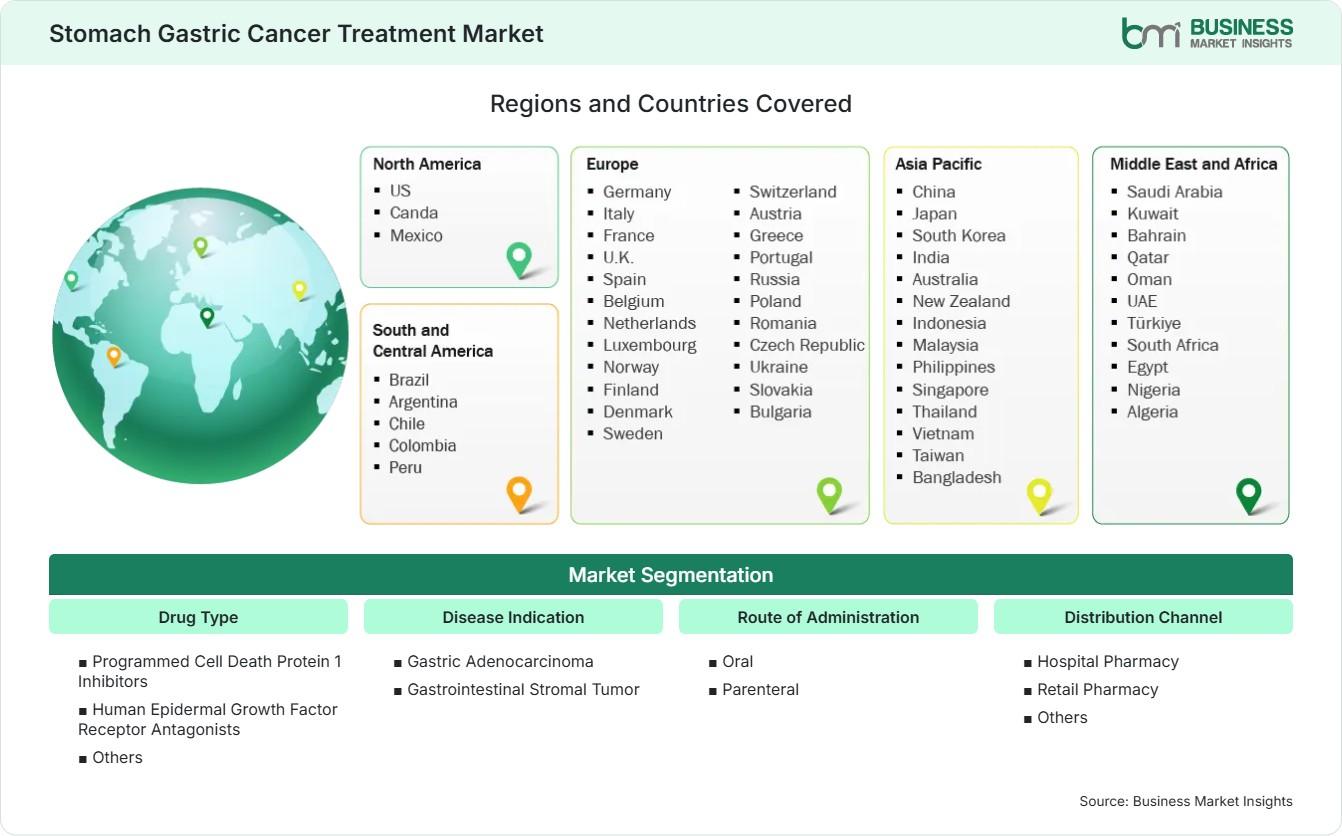
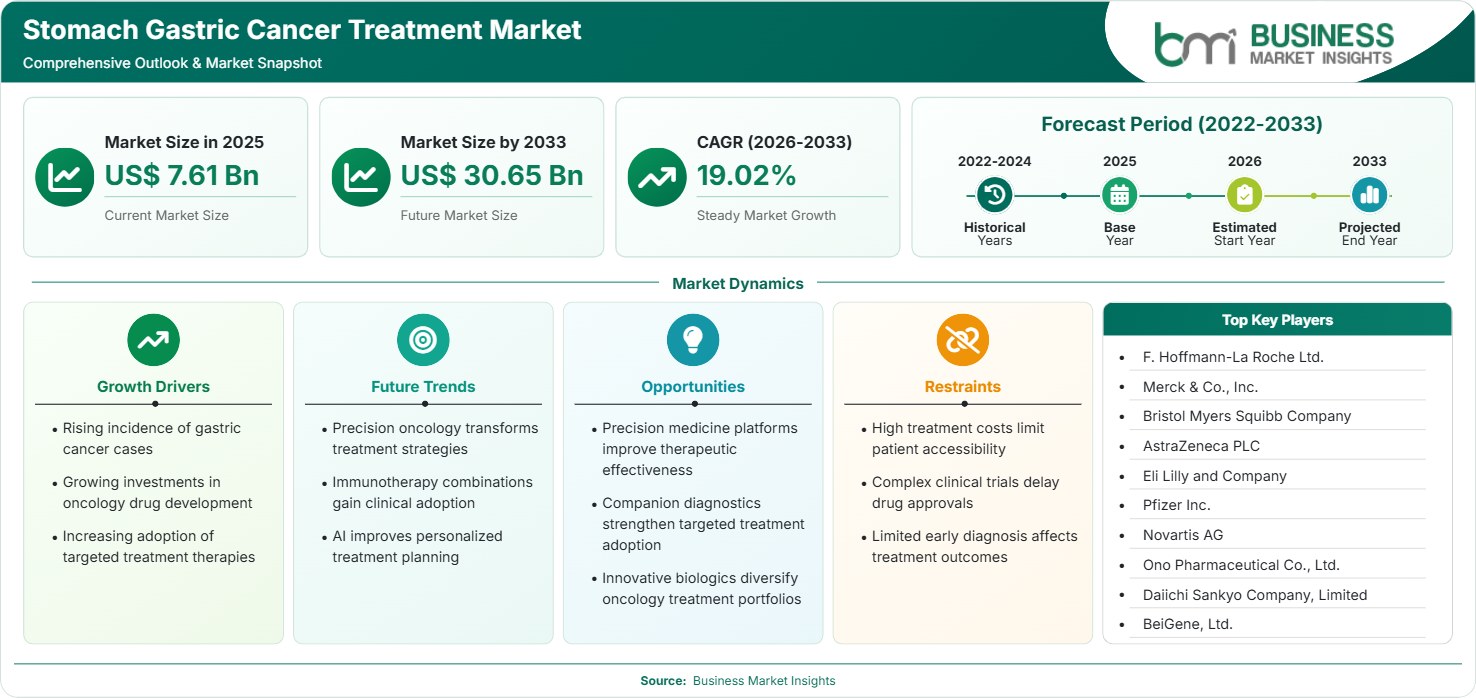
North America accounts for 37%–40% Stomach Gastric Cancer Treatment Market share in 2025 and is expected to expand at a CAGR of 18.2%–18.8% during 2026–2033. Strong pharmaceutical innovation, advanced oncology infrastructure, and widespread adoption of targeted therapies continue supporting regional leadership. Increasing availability of molecular diagnostics and immunotherapy combinations further strengthens treatment outcomes while expanding patient access to precision medicine.
- Continuous investment in oncology clinical trials accelerates commercialization of innovative targeted therapies and immuno-oncology products.
- Comprehensive reimbursement frameworks improve patient access to advanced biologic treatments across major healthcare systems.
- Precision diagnostics enable physicians to identify biomarkers supporting personalized treatment strategies.
- Collaboration between pharmaceutical companies and research institutions strengthens oncology innovation and drug development.
US Stomach Gastric Cancer Treatment Market
The United States represents 84%–87% of North American revenue and is projected to register a CAGR of 18.3%–18.9% during 2026–2033. Strong research funding, rapid regulatory approvals, and increasing utilization of biomarker-driven therapies continue supporting sustained market expansion.
- Academic cancer centers continue expanding participation in global oncology clinical trials.
- Increasing adoption of immunotherapy improves treatment options for advanced gastric cancer.
- Companion diagnostics strengthen personalized treatment selection across oncology practices.
- Pharmaceutical companies continue investing heavily in innovative biologics and precision medicine.
Europe Stomach Gastric Cancer Treatment Market
Europe accounts for 24%–27% market share in 2025 and is expected to grow at a CAGR of 18.0%–18.6% through the forecast period. Expanding oncology research, favorable regulatory frameworks, and increasing adoption of precision medicine continue driving market development. Germany remains the largest regional market, while Spain records the fastest growth supported by expanding oncology treatment capacity.
- Healthcare systems continue expanding access to targeted therapies through updated treatment guidelines.
- Biomarker testing becomes increasingly integrated into routine gastric cancer diagnosis.
- Public investment supports oncology research and clinical innovation across European countries.
- Pharmaceutical partnerships accelerate commercialization of advanced cancer therapies.
Asia Pacific Stomach Gastric Cancer Treatment Market
Asia Pacific holds 30%–33% market share in 2025 and is projected to record the fastest 20.3%–20.9% CAGR during 2026–2033. High gastric cancer prevalence, expanding healthcare expenditure, increasing cancer awareness, and improving access to innovative therapies continue supporting rapid regional growth. China leads the regional market, while South Korea demonstrates one of the fastest adoption rates for advanced oncology treatments.
- Government investments strengthen national cancer screening and treatment infrastructure.
- Rising healthcare spending improves patient access to innovative targeted therapies.
- Clinical research collaborations support faster development of region-specific oncology treatments.
- Growing adoption of precision medicine improves treatment outcomes across specialized cancer centers.
Rest of World Stomach Gastric Cancer Treatment Market
The Rest of World region accounts for 5%–8% market share in 2025 and is anticipated to grow at a CAGR of 18.4%–19.0% through 2026–2033. Expanding oncology services, improving diagnostic capabilities, and increasing healthcare investments continue strengthening treatment availability across Latin America, the Middle East, and Africa.
- Brazil continues leading regional oncology treatment adoption through expanding specialty healthcare services.
- GCC countries invest in advanced cancer treatment centers and precision medicine capabilities.
- International partnerships improve access to innovative oncology medicines across emerging healthcare systems.
- Growing physician awareness supports earlier diagnosis and evidence-based treatment selection.