
Endometrial Cancer Market Outlook: Size, Share, Trends, Growth Analysis, Competitive Landscape & Forecast, 2026-2033

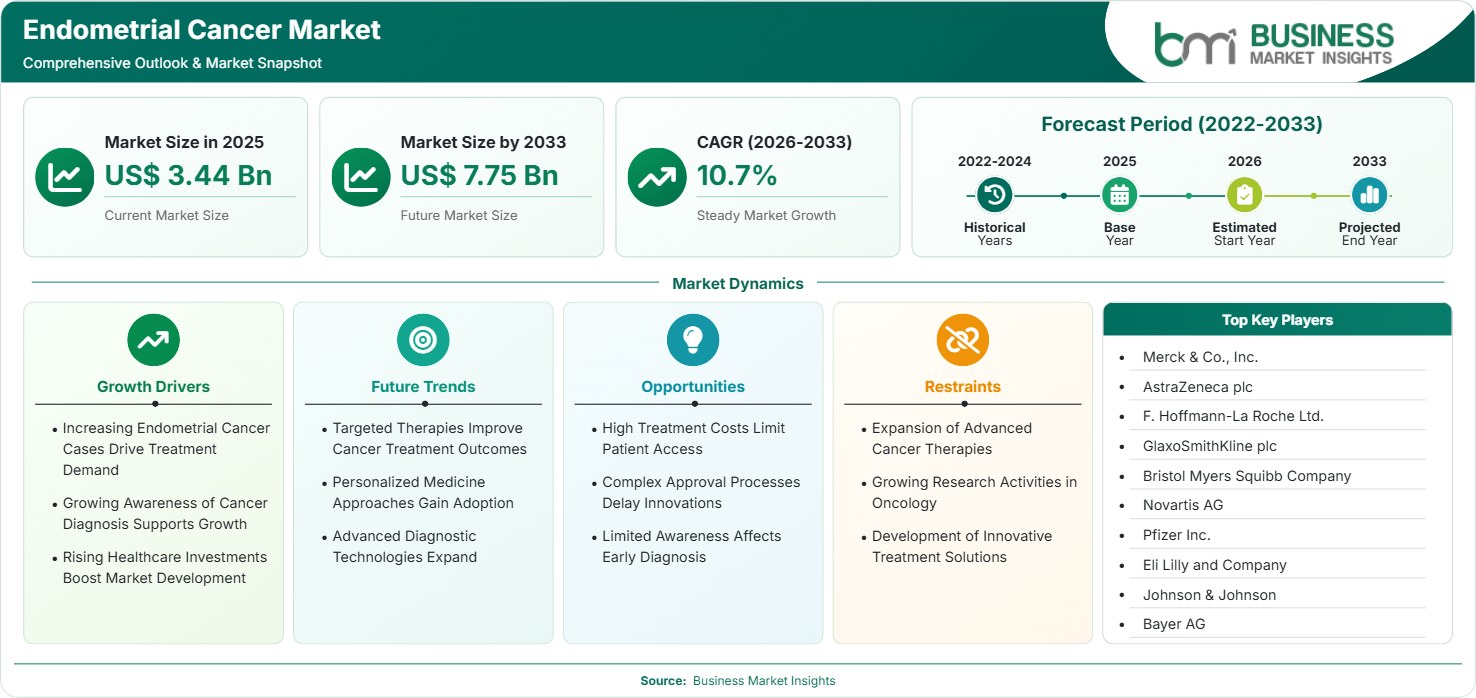
The Endometrial Cancer Market size was valued at US$ 3.44 billion in 2025 and is projected to reach US$ 7.75 billion by 2033, growing at a CAGR of 10.7% during 2026–2033, driven by increasing cancer incidence, rising adoption of immunotherapies, oncology research advancements, precision medicine development, and expanding access to innovative treatments.

Report Coverage
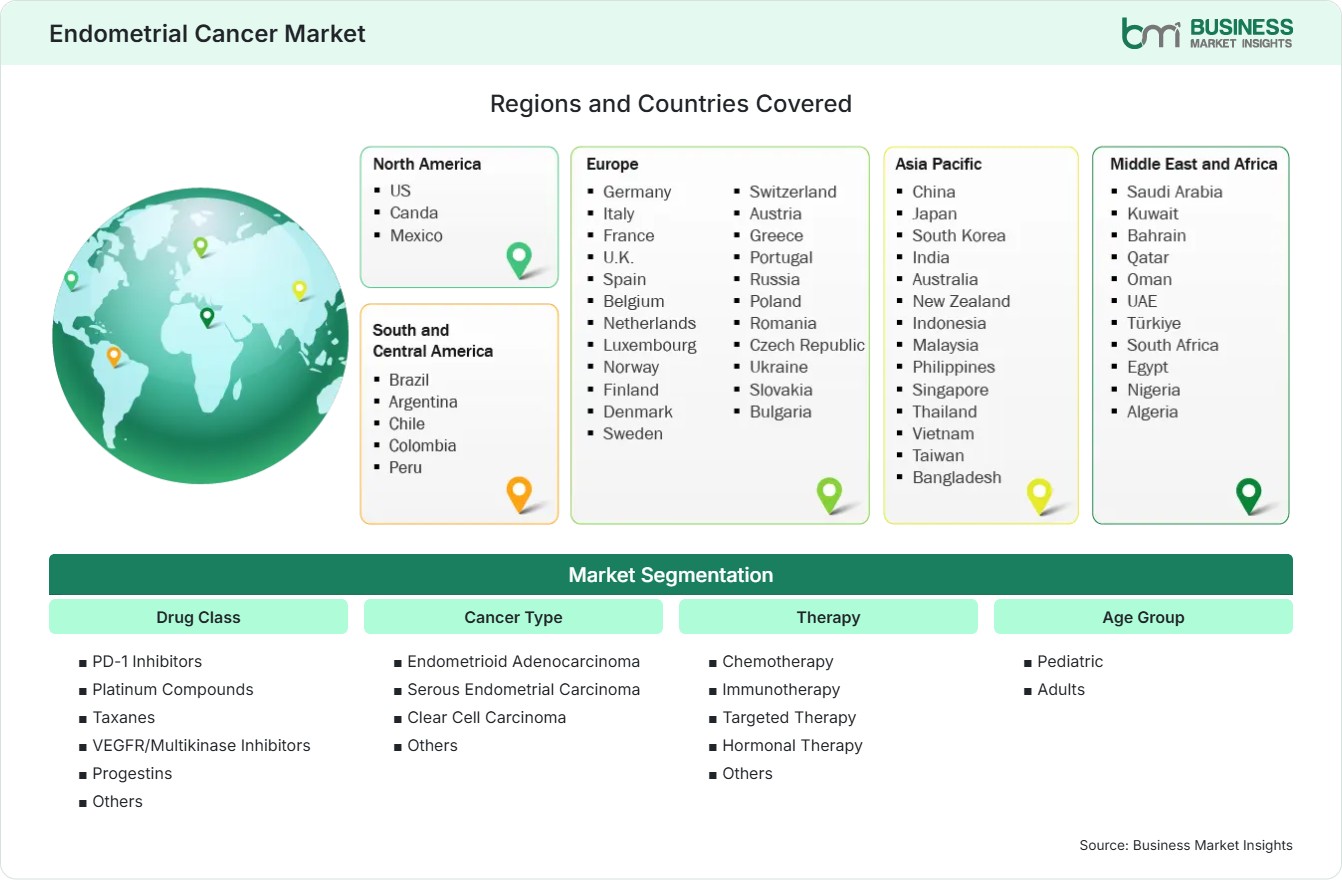
  • Drug Class: PD-1 Inhibitors, Platinum Compounds, Taxanes, VEGFR/Multikinase Inhibitors, Progestins, Others
  • Cancer Type: Endometrioid Adenocarcinoma, Serous Endometrial Carcinoma, Clear Cell Carcinoma, Others
  • Therapy: Chemotherapy, Immunotherapy, Targeted Therapy, Hormonal Therapy, Others
  • Age Group: Pediatric, Adults
  • Route of Administration: Oral, Parenteral
US$ 3.44 Bn Market size in 2025
US$ 7.75 Bn Market Size by 2033
10.7% CAGR, 2026 - 2033
2026-2033 Forecast Period

01 AI Overview

Endometrial Cancer Market Summary

  • North America Region: North America holds a market share of 38%–41% in 2025, growing with a CAGR of 10%–12% influenced by advanced oncology infrastructure, high healthcare spending, immunotherapy adoption, and precision treatment availability. The US market demonstrates strong growth with a CAGR of 10%–12% from 2026–2033, supported by clinical innovation, reimbursement frameworks, and cancer care investments.
  • Fastest Growing Region: Asia Pacific holds market share of 22%–25% in 2025, growing with a CAGR of 12%–14% supported by rising cancer diagnosis rates, healthcare infrastructure expansion, oncology investments, and improving access to advanced therapies.
  • Leading Segment: PD-1 Inhibitors holds market share of 30%–33% in 2025, growing with a CAGR of 12%–14% influenced by immunotherapy adoption, clinical effectiveness, biomarker-driven treatment approaches, and expanding regulatory approvals.
  • High Growth Segment: Targeted Therapy holds market share of 18%–21% in 2025, growing with a CAGR of 13%–15% driven by precision oncology advancements, molecular profiling, clinical research, and development of personalized treatment strategies.
  • Key Market Opportunity: Opportunities are concentrated in immunotherapy expansion, targeted treatments, combination therapies, biomarker-based approaches, clinical research programs, and improved oncology care access across emerging healthcare markets.
  • Major Market Players: Merck & Co., Inc., AstraZeneca plc, F. Hoffmann-La Roche Ltd., GlaxoSmithKline plc, Bristol Myers Squibb Company, Novartis AG, Pfizer Inc., Eli Lilly and Company, Johnson & Johnson, Bayer AG.
02 Strategic Insights

Endometrial Cancer Market: Strategic Insights

endometrial-cancer-market-market-strategic-framework
FREE PDF
Request your free sample
Request free sample
03 Stakeholder View

Key Takeaways

  • Oncology treatment ecosystems are shifting toward precision-based approaches, with molecular profiling and biomarker identification becoming important factors in therapy selection and development.
  • Immunotherapy and targeted therapy applications represent major growth opportunities as pharmaceutical companies expand advanced treatment options for recurrent and advanced endometrial cancer.
  • Drug development strategies are increasingly focused on combination therapies integrating immune checkpoint inhibitors, targeted agents, and conventional treatment approaches.
  • Asia Pacific presents a strong investment opportunity due to rising cancer awareness, healthcare infrastructure expansion, increasing patient populations, and improving access to advanced oncology treatments.
  • Pharmaceutical companies are strengthening competitive positions through clinical collaborations, pipeline expansion, regulatory approvals, and strategic oncology investments.
  • Healthcare providers are emphasizing early diagnosis, improved patient monitoring, and multidisciplinary treatment approaches to enhance clinical outcomes.
04 Geographic Outlook

Endometrial Cancer Market Regional Highlights

North America Endometrial Cancer Market

North America accounts for a 38%–41% share in 2025 with a CAGR of 10%–12% during 2026–2033. The region benefits from advanced oncology infrastructure, strong pharmaceutical presence, high healthcare expenditure, and rapid adoption of innovative therapies. The Endometrial Cancer Market share in North America is supported by immunotherapy utilization, clinical research activities, and favorable access to advanced cancer treatments.

  • United States and Canada are expanding oncology capabilities through advanced treatment centers and research investments.
  • Pharmaceutical companies are conducting clinical trials focused on immunotherapies and targeted cancer treatments.
  • Healthcare providers are adopting precision medicine approaches for improved treatment selection.
  • Reimbursement frameworks support access to innovative oncology therapies and advanced diagnostics.

US Endometrial Cancer Market

The US holds a 33%–36% share in 2025 with a CAGR of 10%–12% from 2026–2033. The market is supported by advanced cancer care infrastructure, strong pharmaceutical innovation, clinical trial activity, and increasing adoption of precision oncology. The Endometrial Cancer Market growth in the US is influenced by rising investment in novel therapies and improved diagnostic capabilities.

  • Leading oncology centers are expanding access to advanced therapies and clinical research programs.
  • Immunotherapy adoption is increasing through regulatory approvals and expanded treatment indications.
  • Pharmaceutical companies are investing in targeted treatment development and combination therapy research.
  • Molecular diagnostics are supporting personalized treatment strategies for cancer patients.

Europe Endometrial Cancer Market

Europe represents a 27%–30% share in 2025 with a CAGR of 10%–12% between 2026–2033. The region benefits from established healthcare systems, oncology research networks, and increasing adoption of innovative therapies. Germany, France, and the United Kingdom are leading markets, while Italy and Spain demonstrate growth through healthcare modernization and improved cancer care access.

  • Germany is expanding oncology treatment capabilities through advanced healthcare infrastructure and research programs.
  • France is supporting cancer innovation through clinical research and healthcare investment initiatives.
  • United Kingdom organizations are increasing adoption of precision oncology and targeted treatment approaches.
  • European research collaborations are accelerating development of advanced cancer therapies.
  • Healthcare modernization is improving access to innovative treatment options across regional markets.

Asia Pacific Endometrial Cancer Market

Asia Pacific holds a 22%–25% share in 2025 with a CAGR of 12%–14% during 2026–2033. The region is experiencing rapid growth due to increasing cancer incidence, healthcare infrastructure improvements, rising awareness, and expanding oncology investments. China, Japan, India, and South Korea are driving regional development through improved diagnosis and treatment capabilities.

  • China is expanding oncology care through healthcare investments and advanced treatment adoption.
  • Japan is developing innovative cancer therapies through strong pharmaceutical research capabilities.
  • India is improving cancer diagnosis and treatment access through healthcare infrastructure development.
  • South Korea is increasing adoption of precision oncology and advanced therapeutic approaches.
  • Regional pharmaceutical research activities are supporting development of new cancer treatments.

Rest of World Endometrial Cancer Market

Rest of World accounts for a 7%–10% share in 2025 with a CAGR of 9%–11% from 2026–2033. South America and Middle East, and Africa markets are developing through healthcare expansion, improved cancer awareness, and increasing investments in oncology services. Brazil, Saudi Arabia, and the United Arab Emirates represent important growth markets due to healthcare modernization.

  • Brazil is strengthening cancer care services through healthcare investments and treatment infrastructure development.
  • Middle Eastern countries are expanding oncology facilities through modernization initiatives.
  • Saudi Arabia is investing in healthcare transformation programs supporting advanced cancer treatment access.
  • African markets are improving diagnosis capabilities through healthcare development initiatives.
  • Regional partnerships are creating opportunities for pharmaceutical companies and healthcare providers.
global-market-geography
FREE PDF
Request your free sample
Request free sample
05 Segment Analysis

Endometrial Cancer Market Segmentation

Drug Class

The drug class segment defines treatment adoption based on therapeutic mechanisms used for managing endometrial cancer, including immunotherapies, chemotherapy agents, targeted medicines, and hormonal treatments. The segment accounted for a significant share in 2025 and is projected to expand with a CAGR of 11%–13% between 2026–2034. Increasing clinical validation, biomarker-based treatment selection, and oncology innovation are supporting adoption across advanced and recurrent disease cases.

  • PD-1 Inhibitors: PD-1 inhibitors are gaining adoption due to immune checkpoint blockade capabilities, improved outcomes in advanced cancers, and increasing use in combination treatment strategies.
  • Platinum Compounds: Platinum compounds remain important chemotherapy options due to established clinical effectiveness, broad treatment utilization, and integration with multimodal cancer management approaches.
  • Taxanes: Taxanes continue supporting treatment protocols through cytotoxic activity, combination therapy applications, and established use across different stages of endometrial cancer management.
  • VEGFR/Multikinase Inhibitors: VEGFR and multikinase inhibitors are expanding through targeted mechanisms that regulate tumor growth pathways and support treatment options for advanced disease.
  • Progestins: Progestins are utilized in selected patient groups requiring hormonal treatment approaches, particularly in cases involving hormone-sensitive tumor characteristics.

Cancer Type

The cancer type segment represents diverse disease classifications requiring differentiated treatment strategies and clinical management approaches. The segment accounted for a substantial share in 2025 and is expected to grow at a CAGR of 10%–12% between 2026–2034. Increasing diagnostic capabilities, improved disease classification, and personalized oncology approaches are strengthening treatment development and patient care strategies across multiple cancer subtypes.

  • Endometrioid Adenocarcinoma: Endometrioid adenocarcinoma represents a common disease subtype with treatment approaches influenced by tumor characteristics, molecular classification, and patient-specific therapeutic requirements.
  • Serous Endometrial Carcinoma: Serous endometrial carcinoma requires advanced treatment strategies due to aggressive disease characteristics and increasing adoption of targeted and immune-based therapies.
  • Clear Cell Carcinoma: Clear cell carcinoma is driving research interest due to complex disease biology, limited treatment options, and demand for improved therapeutic approaches.

Age Group

The age group segment reflects treatment demand among different patient populations requiring specialized clinical approaches. The segment represented significant adoption in 2025 and is projected to grow at a CAGR of 10%–12% between 2026–2034. Increasing awareness, improved diagnosis, and development of age-specific treatment strategies are influencing healthcare providers’ approaches toward endometrial cancer management.

  • Pediatric: Pediatric cases require specialized oncology approaches, multidisciplinary care models, and treatment strategies designed around patient age, disease characteristics, and safety considerations.
  • Adults: Adults represent the primary patient population, with increasing diagnosis rates, advanced treatment adoption, and expanded access to oncology therapies supporting market development.

Therapy

The therapy segment covers different treatment approaches including systemic therapies, immune-based treatments, targeted medicines, and hormonal interventions. The segment held a notable share in 2025 and is expected to expand with a CAGR of 11%–13% between 2026–2034. The Endometrial Cancer Market scope continues expanding due to advancements in personalized medicine, combination therapies, and innovative oncology treatment strategies.

  • Chemotherapy: Chemotherapy remains widely used due to established treatment protocols, clinical familiarity, and applications in combination regimens for advanced cancer management.
  • Immunotherapy: Immunotherapy adoption is increasing through immune checkpoint inhibitors, clinical advancements, regulatory approvals, and improved treatment outcomes in selected patient groups.
  • Targeted Therapy: Targeted therapy is expanding through molecular profiling, precision medicine approaches, and development of treatments designed for specific cancer pathways.
  • Hormonal Therapy: Hormonal therapy supports treatment strategies for hormone-responsive tumors through mechanisms that regulate cancer progression and improve patient management.

Route of Administration

The route of administration segment evaluates treatment delivery methods influencing patient convenience, clinical efficiency, and therapy adoption. The segment accounted for a significant share in 2025 and is projected to grow at a CAGR of 10%–12% between 2026–2034. Advances in drug formulation and treatment delivery are improving accessibility and supporting broader oncology care management.

  • Oral: Oral administration provides convenience, improved patient flexibility, and easier long-term treatment management for selected oncology therapies.
  • Parenteral: Parenteral administration remains essential for intravenous cancer therapies requiring controlled delivery, clinical supervision, and optimized therapeutic outcomes.

Distribution Channel

The distribution channel segment highlights the role of healthcare facilities and pharmaceutical access points in delivering cancer therapies. The segment represented strong adoption in 2025 and is expected to grow at a CAGR of 10%–12% between 2026–2034. Expanding oncology infrastructure and improved medicine accessibility are supporting treatment availability across different healthcare settings.

  • Hospital Pharmacies: Hospital pharmacies remain critical distribution points due to specialized oncology treatment requirements, controlled medicine handling, and direct patient care integration.
  • Drug Stores & Retail Pharmacies: Retail channels support medication access for selected therapies while improving convenience and availability for patients requiring ongoing treatment.
06 Market Forces

Endometrial Cancer Market Dynamics

Key Market Drivers

Increasing Endometrial Cancer Cases Drive Treatment Demand

Increasing endometrial cancer cases drive treatment demand as rising disease prevalence creates a greater need for advanced diagnostic and therapeutic solutions. According to the key regulatory organizations that keep track of cancer rates around the world, endometrial cancer cases have risen across different regions, and this can be mainly due to changes in demographics, obesity, and aging. This rise in patient numbers is prompting pharmaceutical companies to develop new drugs. Endometrial Cancer Market growth is driven by the increased use of immunotherapy, targeted therapy, and personalized treatment regimens. There are efforts from healthcare providers to enhance their cancer management capacity.

Growing Awareness of Cancer Diagnosis Supports Growth

Awareness of cancer diagnosis promotes growth because healthcare organizations and public health programs are raising awareness for early diagnosis, screening, and consultation with medical professionals. Increased awareness of symptoms and risk factors is motivating patients to seek a diagnosis. Trends in the Endometrial Cancer Market include increased focus on molecular testing, individual treatment selection, and oncological treatments. Advanced diagnostic technologies are being used to enhance disease diagnosis and treatment planning. Healthcare organizations and increased awareness are promoting patient engagement. Drug manufacturers are benefiting from the rising number of cancer diagnoses because they are producing treatments in response to changing clinical demands and requirements.

Rising Healthcare Investments Boost Market Development

Increases in healthcare investment will stimulate growth in the endometrial cancer market by enhancing oncology infrastructure, improving research capacity, and increasing access to advanced solutions. The government, as well as various private enterprises and healthcare agencies, is making significant investments in cancer research, clinical trials, and advanced treatment facilities. These developments are helping to create new treatments and improve access to these treatments. Increases in investment within biotechnology will facilitate advances in targeted drugs and immunotherapy. Healthcare modernization in emerging economies will create opportunities for pharmaceutical companies to offer advanced treatments.

Key Market Opportunities

Expansion of Advanced Cancer Therapies

The expansion of advanced cancer therapies offers many possibilities, as immunotherapy, targeted therapies, and combination therapy will transform the way endometrial cancers are treated. Pharmaceutical organizations are working hard to develop advanced treatment options that can help to cure patients with advanced forms of cancer. According to Endometrial Cancer Forecasts, there is a lot of potential in next-generation oncology drugs, biomarkers, and indication expansion. Advanced clinical research programs have been developed to understand more about cancer and find effective ways to fight against it. Pharmaceutical organizations that concentrate on developing novel treatment platforms and conducting research can benefit from opportunities in oncology.

Growing Research Activities in Oncology

The growing research activities in oncology create opportunities through enhanced clinical trials, innovations, and treatment mechanisms. Researchers and organizations in the pharmaceutical industry are developing innovative methods that include immune modulation, molecular targeting, and personalization. Expanded oncology research networks have helped increase knowledge of the biology of endometrial cancer and develop innovative treatments for it. Companies engaged in research collaborations and development initiatives can benefit from emerging treatment opportunities in oncology. The emphasis on improved survival and on treatment limitations is driving innovation.

Development of Innovative Treatment Solutions

Innovations in treatment solutions represent a significant area of potential for companies seeking therapies that are effective and safe, with better outcomes. Genomic studies, drug discovery through artificial intelligence, and precision oncology are allowing better treatment options. Companies are developing combination treatments that use different treatment modalities due to the nature of the diseases. Innovations in drug delivery techniques and personalized treatment regimens provide great opportunities for both the healthcare sector and pharmaceutical companies. These innovations are proving to be a significant factor in endometrial cancer market trends, as firms that can translate scientific discoveries into viable products will be well-positioned.

Market Restraints and Challenges

High Treatment Costs Limit Patient Access

Factor: High treatment costs for advanced immunotherapies, targeted medicines, diagnostics, and long-term cancer care pose affordability challenges. Impact: Elevated healthcare expenses can limit patient access, particularly in regions with restricted reimbursement coverage and developing healthcare infrastructure. Innovative oncology therapies often require significant research investment, contributing to higher treatment pricing. Healthcare systems must balance access requirements with budget limitations while expanding the availability of advanced treatments. Cost management strategies, improved reimbursement policies, and broader healthcare coverage are necessary to address affordability barriers and support wider adoption of advanced endometrial cancer therapies.

Complex Approval Processes Delay Innovations

Factor: Complex regulatory approval processes involving extensive clinical evaluation, safety assessments, and efficacy validation create challenges for therapy development. Impact: Lengthy approval timelines can delay the commercialization of innovative treatments and increase development costs for pharmaceutical companies. Oncology therapies require rigorous testing due to patient safety requirements and treatment complexity. Companies must navigate evolving regulatory standards while maintaining research efficiency. Delays in approval processes may slow patient access to promising therapies. Regulatory collaboration and streamlined evaluation frameworks can help accelerate innovation while ensuring the availability of effective, safe treatments for patients with endometrial cancer.

07 Company Analysis

Competitive Landscape

The competitive environment includes global pharmaceutical companies, biotechnology innovators, and oncology-focused organizations developing advanced therapies for cancer treatment. The Endometrial Cancer Market analysis highlights competition around immunotherapy development, targeted treatment innovation, clinical research capabilities, and regulatory advancement. Leading companies are strengthening their oncology portfolios through research collaborations, pipeline expansion, clinical trials, and strategic investments focused on improving treatment outcomes.

Company Name

Overview

Products and Services relevant to this market

Merck & Co., Inc.

Global pharmaceutical company focused on innovative medicines and oncology therapies.

PD-1 inhibitors, immunotherapies, oncology medicines, and cancer treatment solutions.

AstraZeneca plc

Research-driven biopharmaceutical company developing advanced cancer treatments.

Immunotherapies, targeted therapies, oncology medicines, and precision treatment solutions.

F. Hoffmann-La Roche Ltd.

Healthcare company specializing in pharmaceuticals and diagnostic technologies.

Oncology medicines, targeted therapies, diagnostics, and personalized cancer care solutions.

GlaxoSmithKline plc

Global healthcare company with oncology-focused pharmaceutical offerings.

Cancer therapies, immune-based treatments, targeted medicines, and clinical research programs.

Bristol Myers Squibb Company

Pharmaceutical company focused on innovative oncology and immune-based therapies.

Immunotherapies, cancer medicines, clinical development programs, and combination treatments.

Novartis AG

Global healthcare company developing advanced medicines across therapeutic areas.

Oncology treatments, targeted therapies, precision medicine solutions, and research programs.

Pfizer Inc.

Pharmaceutical company developing innovative medicines and oncology solutions.

Cancer therapies, targeted treatments, oncology pipelines, and clinical research initiatives.

Eli Lilly and Company

Healthcare company producing pharmaceutical solutions across multiple disease areas.

Oncology medicines, targeted therapies, cancer research programs, and treatment solutions.

Johnson & Johnson

Healthcare organization with pharmaceutical and oncology capabilities.

Cancer therapies, immunotherapies, targeted medicines, and oncology research solutions.

Bayer AG

Global life science company developing pharmaceutical and healthcare products.

Oncology therapies, targeted medicines, clinical development, and cancer care solutions.

08 Industry Activity

Recent Developments

July 2026

F. Hoffmann-La Roche Ltd. received the CE Mark for the Elecsys IGRA TB test, a new automated blood-based diagnostic solution for identifying tuberculosis infection. The test expands Roche’s diagnostics portfolio by enabling faster, high-throughput testing on cobas immunoassay systems.

June 2026

Johnson & Johnson expanded its oncology innovation strategy through the planned acquisition of Firefly Bio, Inc., adding a novel degrader antibody conjugate platform to its oncology pipeline. The acquisition is expected to strengthen Johnson & Johnson’s capabilities in developing next-generation cancer therapies, including approaches targeting difficult-to-treat solid tumors.

May 2026

Bristol Myers Squibb Company presented new oncology pipeline data at the ASCO 2026 Annual Meeting, highlighting progress across its immuno-oncology and next-generation cancer therapy portfolio. The data reinforced the company’s focus on advancing innovative treatment options for patients with cancer.

February 2026

Merck & Co., Inc. received approval from China’s National Medical Products Administration (NMPA) for KEYTRUDA (pembrolizumab) in combination with chemotherapy as a first-line treatment for certain patients with primary advanced or recurrent endometrial cancer. The approval expands access to an established immunotherapy-based treatment option for eligible patients in China.

10 Trust & Transparency

Research Methodology

The market analysis combines proprietary research with secondary data from government agencies, company disclosures, regulatory filings, industry databases and expert interviews. Market estimates are validated through data triangulation, cross-market benchmarking and analyst review.

View Full Research Methodology

11 Questions Answered

Frequently Asked Questions

How does the Endometrial Cancer Market Report support strategic decisions?

The report provides insights into treatment trends, competitive developments, regional opportunities, market dynamics, and emerging therapeutic approaches for business planning.

What challenges affect adoption of advanced endometrial cancer treatments?

High treatment costs, complex regulatory requirements, limited healthcare access in some regions, and lengthy clinical development processes can affect adoption.

How is precision medicine influencing endometrial cancer care?

Precision medicine enables molecular profiling and biomarker-based treatment selection, helping healthcare providers identify suitable therapies and improve treatment personalization.

Which therapies are shaping endometrial cancer treatment development?

Immunotherapy, targeted therapy, hormonal therapy, and combination treatment approaches are shaping market development by improving treatment options for patients with advanced and recurrent disease. These advancements are expected to support the endometrial cancer market forecast by expanding therapeutic options and improving clinical outcomes.

What factors are driving market growth?

Growth is driven by increasing disease incidence, rising cancer awareness, healthcare investments, expanding oncology research, and adoption of advanced therapies including immunotherapies and targeted treatments.

Access the Full Endometrial Cancer Market Report

Get segment-level forecasts, regional estimates, competitive benchmarking, company profiles and downloadable Excel datasets.

Access the full Endometrial Cancer Market Report
350 pages PDF & Excel | 2026-07-30