Growing Need for Perimeter and Border Security
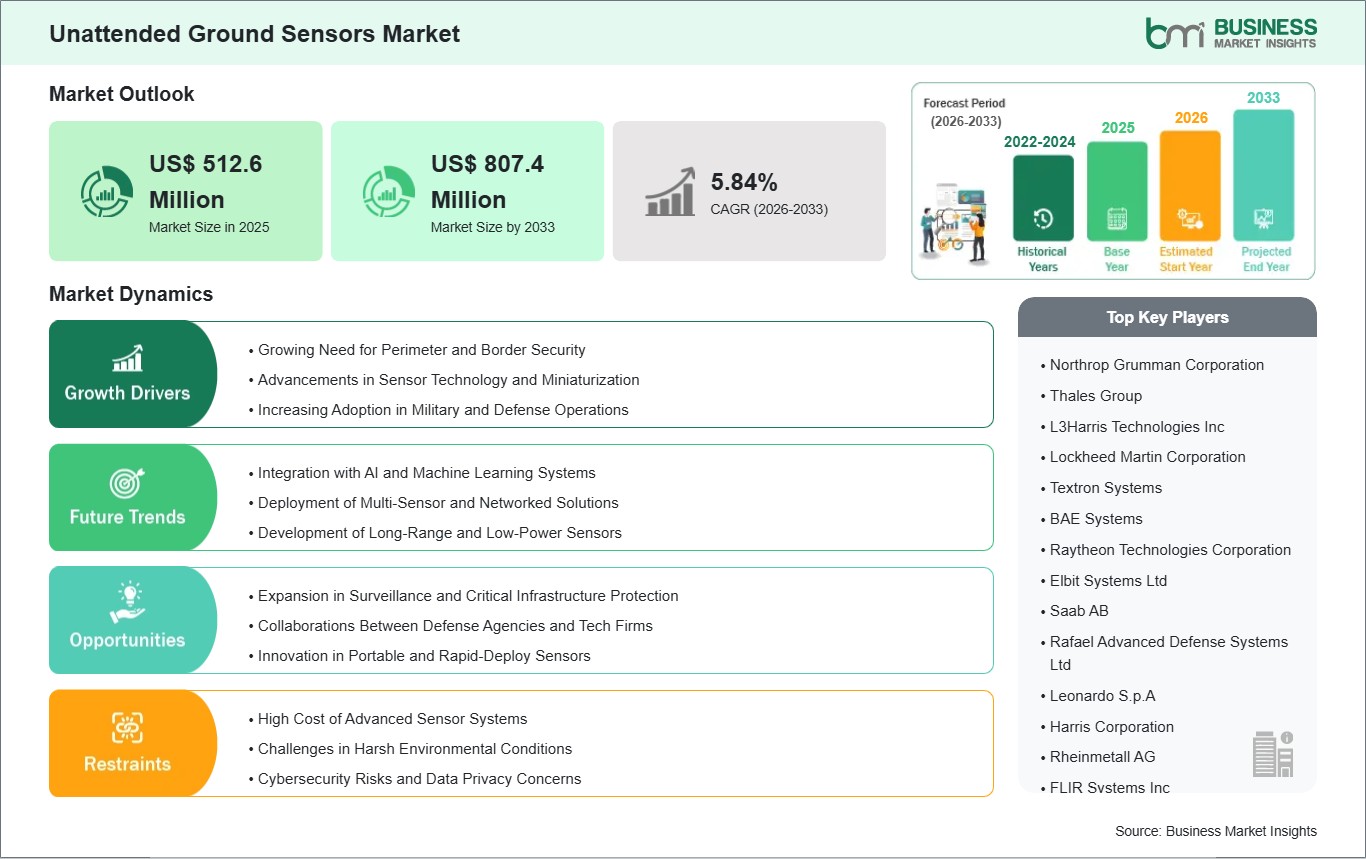
The global unattended ground sensors market is being driven by an increasing focus on perimeter and border security. Rising concerns over illegal crossings, smuggling, and unauthorized intrusions have prompted governments to deploy advanced sensor networks to monitor vast and challenging terrains. In North America, these sensors are integrated into border surveillance systems along remote areas to detect movement in real time, enhancing situational awareness and reducing response times.
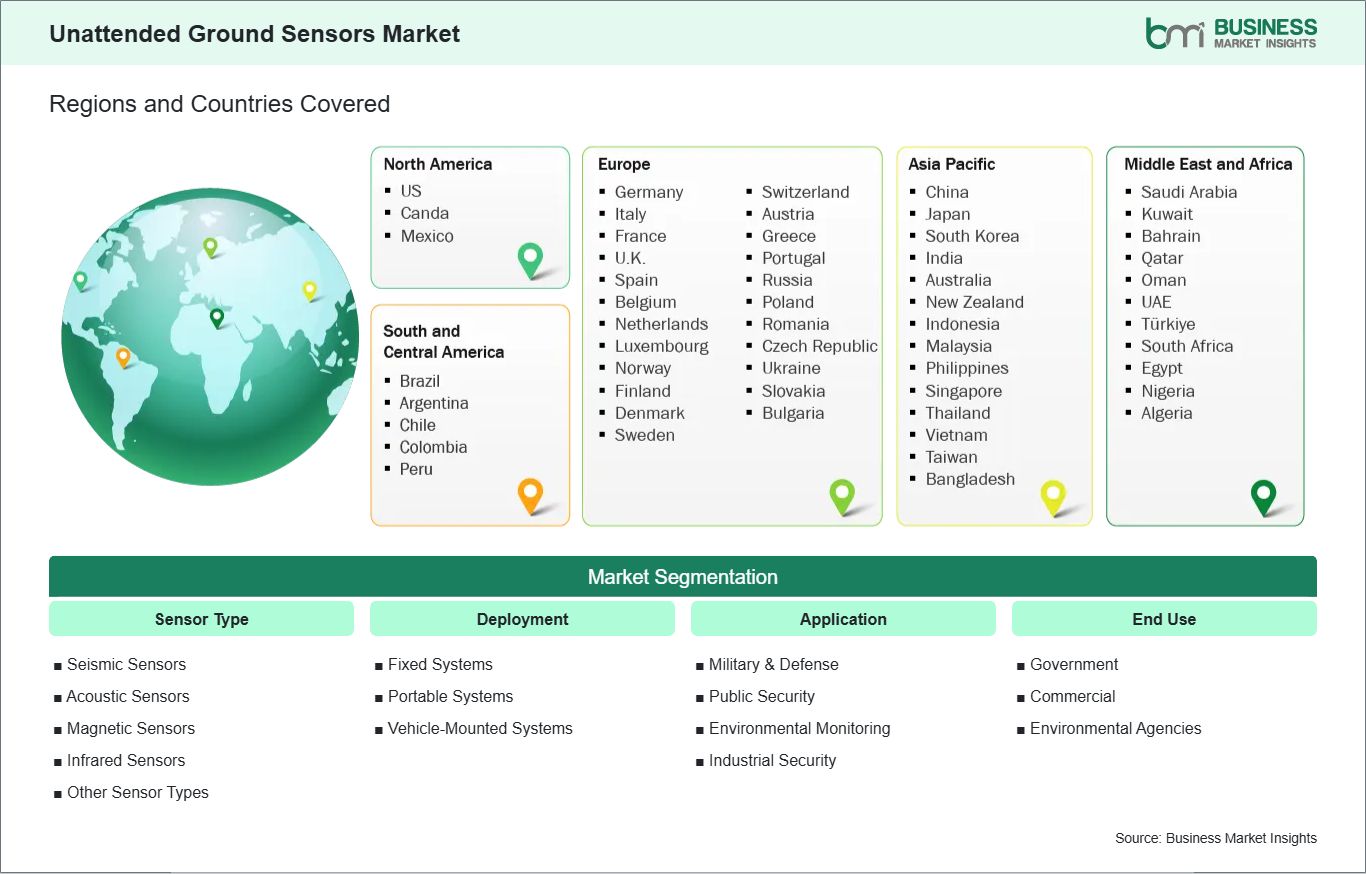
Military and defense organizations are also investing in UGS for tactical security along sensitive perimeters. In Europe, where critical defense installations and research facilities require continuous monitoring, these sensors provide automated detection and reporting capabilities, enabling faster decision-making and threat mitigation without the need for constant human presence. Advanced sensor technologies, including seismic, acoustic, and infrared detection, allow monitoring of diverse environmental conditions with minimal false alarms.
Emerging regions are increasingly adopting UGS solutions to strengthen national security infrastructure. In parts of the Middle East and Africa, unattended sensors are being deployed along borders and strategic facilities to monitor high-risk areas where manned patrols are limited. This growing reliance on unattended systems underscores their role as a cost-effective and reliable solution for safeguarding borders, sensitive installations, and other high-security areas worldwide.
Expansion in Surveillance and Critical Infrastructure Protection
The market for UGS is also increasing with the growing demand for surveillance and protection of key infrastructure. Energy plants, transport hubs, and government facilities are increasingly using UGS sensors to provide early warning of possible intrusions or sabotage of the facility. In the Asia-Pacific region, energy plants, industrial facilities, and UGS sensors are increasingly being used as a means of early warning of possible intrusions, sabotage, or security breaches.
Technology is constantly evolving, especially with the integration of sensors, data analysis, and communication networks, thereby expanding the applications of UGS sensors. In Europe, key infrastructure facilities are increasingly deploying UGS sensors, which utilize seismic, acoustic, and magnetic sensors with wireless communication networks, thereby allowing the monitoring of key facilities without the need for security personnel.
Emerging markets are also witnessing increased adoption as nations modernize their surveillance capabilities. In Latin America, ports, airports, and industrial zones are beginning to implement UGS-based systems to protect against theft, intrusion, and sabotage, particularly in regions with high-value assets. The combination of real-time monitoring, automation, and flexible deployment positions unattended ground sensors as a vital technology for enhancing security across various sectors globally.