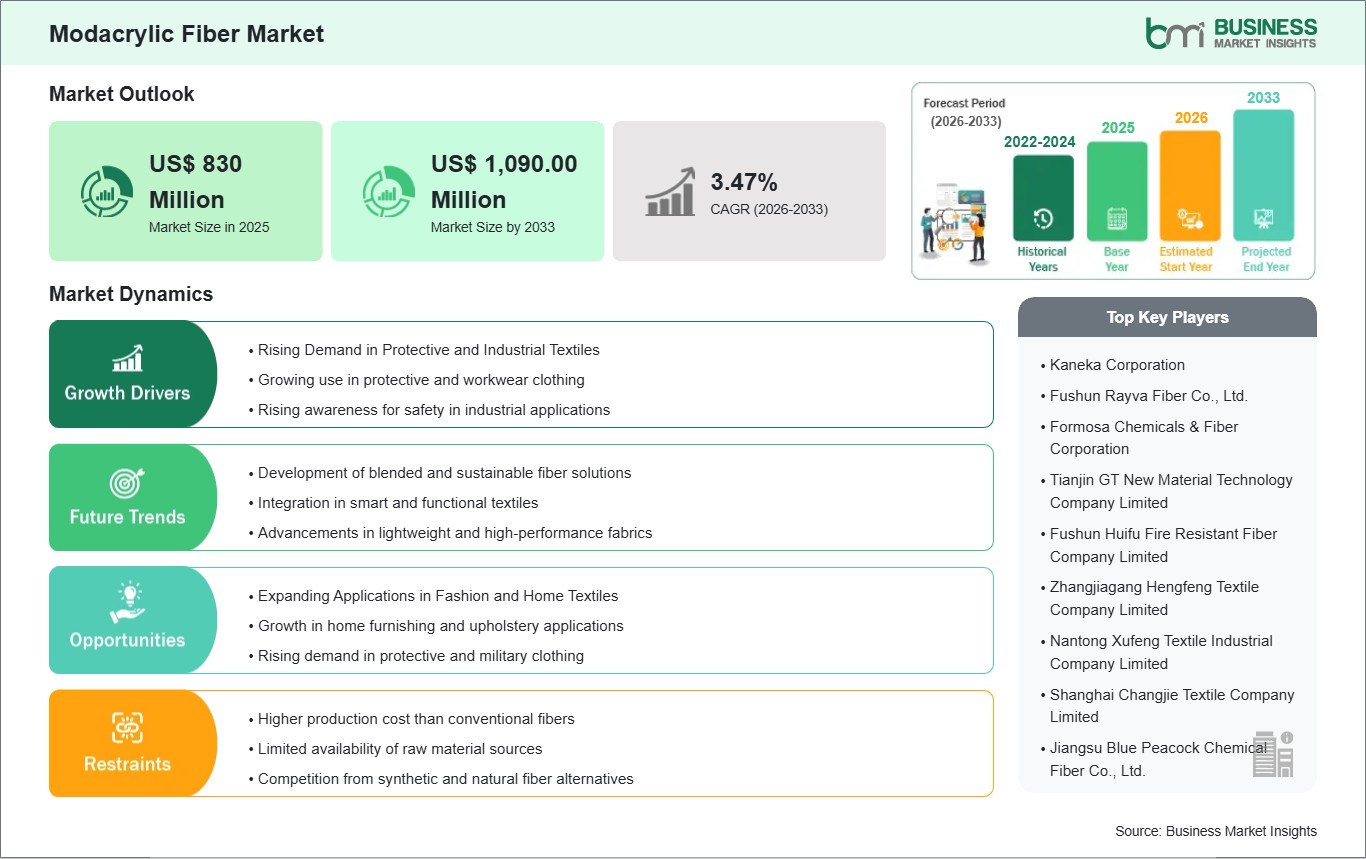
Rising Demand in Protective and Industrial Textiles
Modacrylic fibers are becoming increasingly popular in the textile industry owing to their flame resistance, durability, and softness. Modacrylic fibers are commonly used in protective clothing, industrial work clothes, and workwear. Safety is a major requirement in such industries. Modacrylic fibers are flame-resistant, which makes them a popular choice. This property helps to increase the longevity of such clothes. Industries such as manufacturing, firefighting, electrical work, etc., use modacrylic fibers owing to their safety requirements. Modacrylic fibers are durable, which makes them suitable for use in upholstery, automobile interiors, etc. Modacrylic fibers can withstand high temperatures. Moreover, modacrylic fibers can be mixed with any other fiber, which makes them a popular choice. Modacrylic fibers can be mixed with any synthetic or natural fiber.
Beyond protective textiles, modacrylic fibers support sustainable and cost-effective production. They are lightweight, easy to process, and maintain shape and appearance over time, reducing material waste and maintenance requirements. The combination of safety, versatility, and durability positions modacrylic fibers as a preferred choice for industries seeking reliable protective solutions. As awareness of occupational safety and regulatory compliance grows, these fibers are increasingly recognized as a key material for modern protective and industrial textile applications.
Expanding Applications in Fashion and Home Textiles
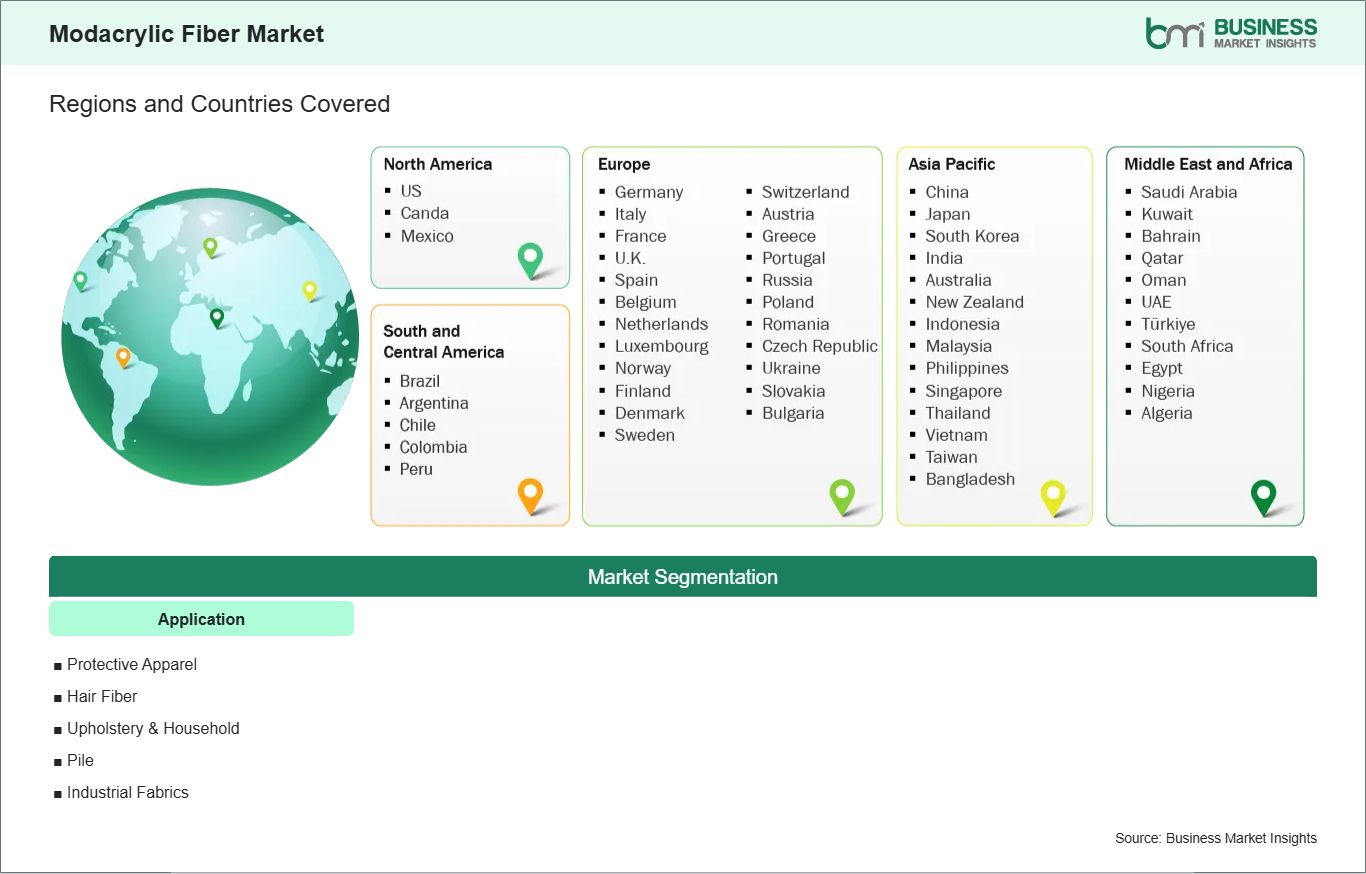
Modacrylic fibers are also expanding into fashion, home textiles, and specialty applications due to their softness, resilience, and ease of care. They are commonly used in wigs, hair extensions, and costume fabrics because of their natural appearance, high durability, and flame-resistant properties. These fibers provide a balance of comfort and aesthetics, allowing designers to create innovative products without compromising safety or quality.
In home textiles, modacrylic fibers are utilized in upholstery, blankets, draperies, and decorative fabrics, where durability, color retention, and resistance to heat and flame are critical. Their ability to maintain shape, resist shrinking, and tolerate repeated washing makes them particularly attractive for long-lasting consumer goods. The fibers also blend seamlessly with other materials to improve texture, strength, and appearance.
The growing demand for functional, aesthetically pleasing, and safe fabrics is driving innovation in modacrylic fiber applications. Manufacturers are developing blends and finishes that enhance performance while meeting sustainability and regulatory standards. With its combination of flame resistance, versatility, and durability, modacrylic fiber is emerging as a vital material for fashion, home textiles, and specialty applications. Its adaptability allows it to meet evolving consumer preferences while ensuring safety and long-term performance across diverse sectors.