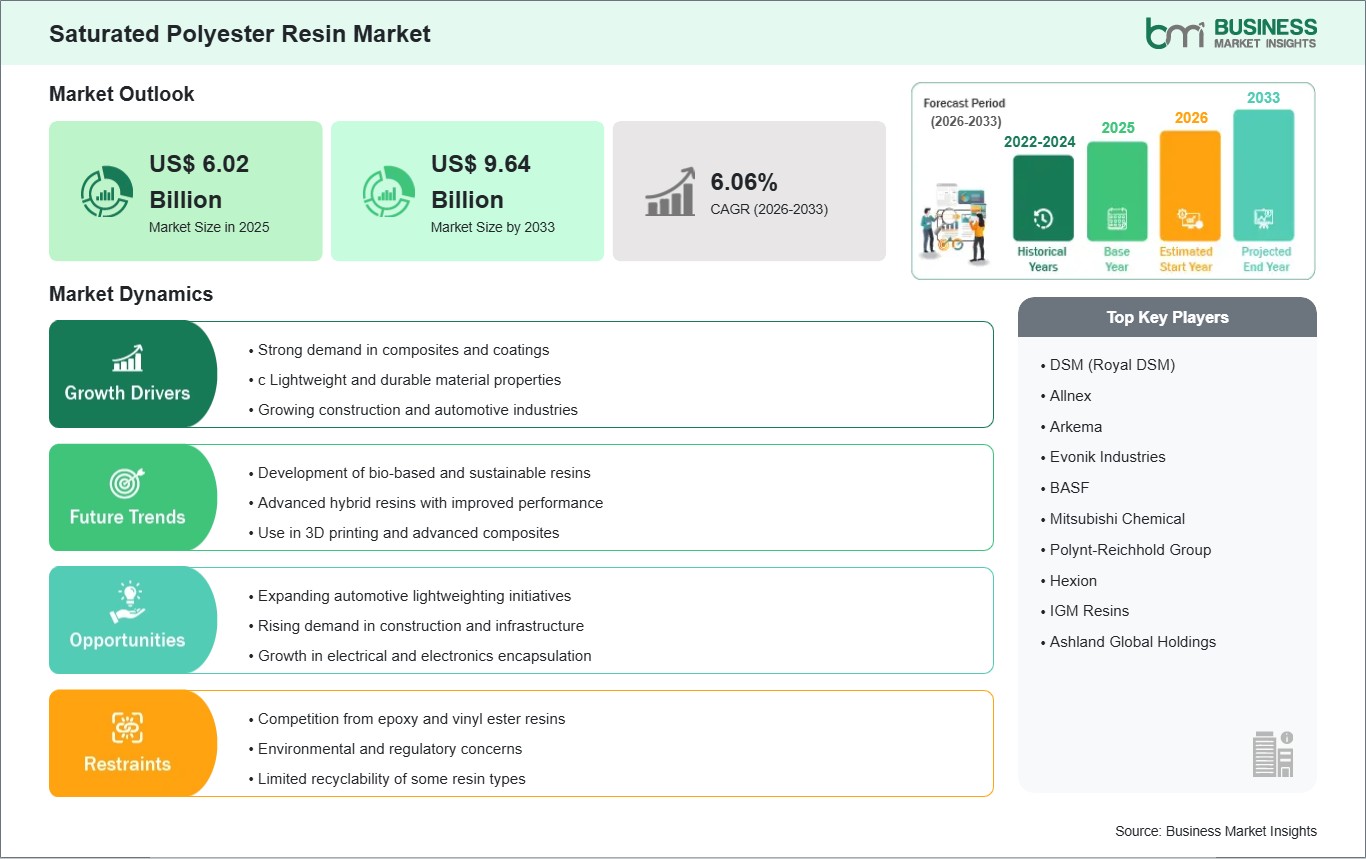
Strong Demand in Composites and Coatings
In Western Europe, saturated polyester resin (SPR) remains a critical material across composites and coatings sectors, driven by the region’s emphasis on performance, durability, and sustainability. Builders and infrastructure firms in countries such as Germany, France, and the UK rely on polyester resin composites for applications where corrosion resistance and structural strength are paramount, including bridge components, cladding panels, and marine installations. These end uses benefit from the balance SPR offers between mechanical performance and processing ease, especially when combined with glass fibers or fillers.
The coatings industry in Western Europe also utilizes saturated polyester resin for industrial and decorative coatings. The industry in Italy and Spain produces coatings for metal and wooden substrates that are known for their weather resistance and durability in terms of colour retention. The coatings industry in Western Europe utilizes saturated polyester resin as it is cost-effective compared to other resins. Moreover, it is in line with the preferences and requirements of Western Europeans for products that can withstand harsh weather conditions, ranging from Ireland’s moist climate to France’s dry climate.
The sustainability factor is also playing an important role in the selection and purchasing behavior of Western Europeans. The demand for low VOC (volatile organic compound) and recyclable saturated polyester resin is higher in Western Europe. The Western Europeans are also interested in purchasing saturated polyester resin that is produced in an eco-friendly manner. The industry in the Netherlands and Scandinavia is also meeting this requirement by producing saturated polyester resin through eco-friendly production methods and by undertaking trials for renewable resources.
Expanding Automotive Lightweighting Initiatives
Automotive lightweighting strategies in Western Europe are further boosting the growth of the saturated polyester resin market, as manufacturers are looking for products that can help them reduce vehicle weights without compromising on durability and safety. Premium automobile manufacturers in Germany and Sweden are leading the way in incorporating polymer composite materials into vehicle bodies, interiors, and sub-assemblies. SPR, in reinforced composite form, helps in achieving better fuel economy and lower emissions, both of which are in line with the vehicle emission reduction strategies in Western Europe.
The smaller automotive suppliers in countries such as Poland and the Czech Republic have also adopted SPR in parts of their products in which metals are being replaced with polymer composites. Bumper supports, wheel arch liners, and other under-the-hood parts fabricated with polyester resin-based composites provide an excellent balance of cost, performance, and ease of mass production. These local supply chains support both local automotive manufacturing and exports, ensuring Western Europe's continued competitiveness in key segments of the global automotive market, particularly those segments in which lightweight performance is critical.
In addition to conventional passenger cars, Western Europe's move toward electric mobility is also accelerating SPR adoption. Automotive companies in France and Norway developing EV platforms recognize the benefits of saturated polyester resin composites in battery enclosures and other thermal management structures in which weight is a key factor. As automotive OEMs and tier 1 suppliers strive to meet increasingly stringent regulatory requirements, SPR's role in lightweight composite solutions will continue to be critical, further expanding its market presence in Western Europe's changing automotive landscape.