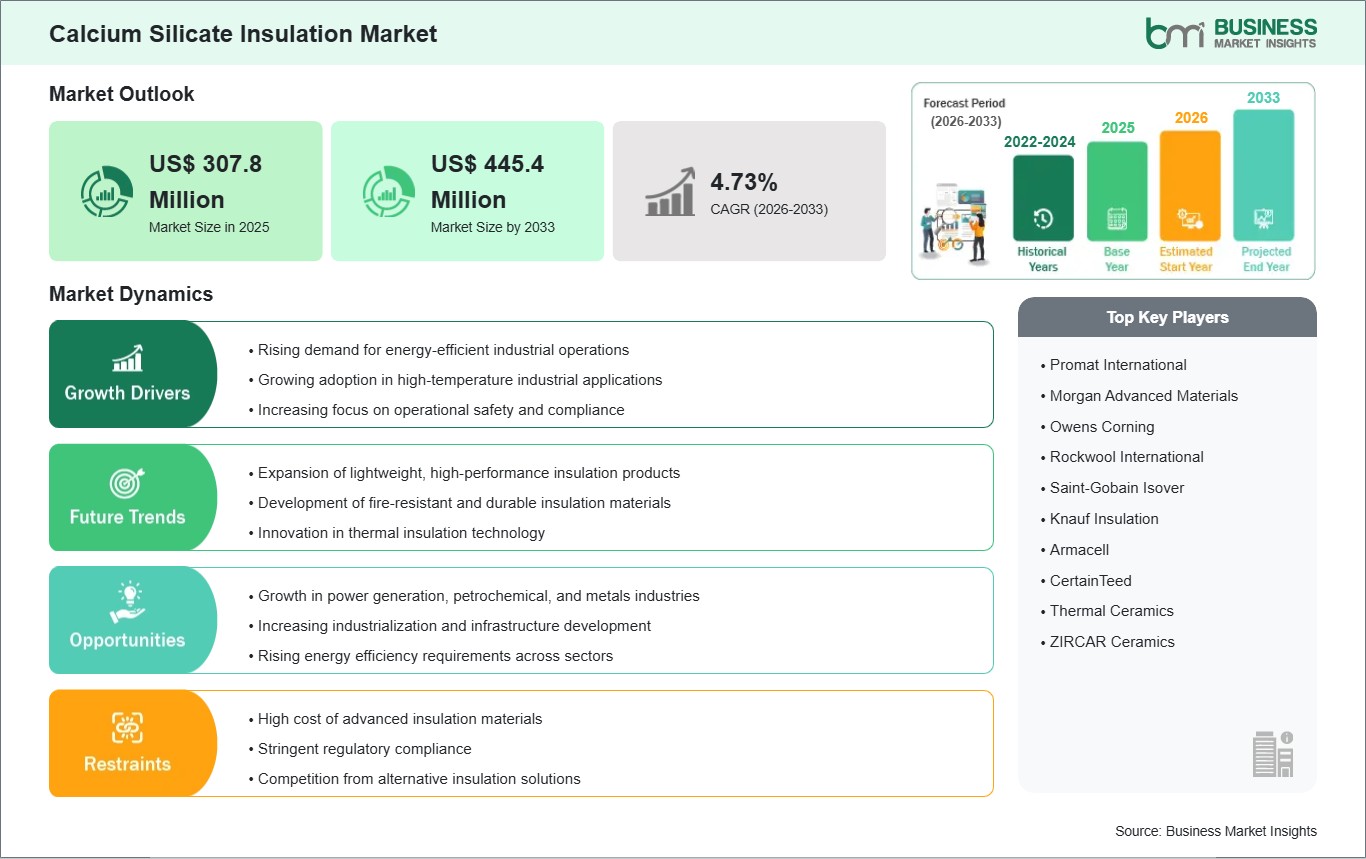
Increasing Demand for Energy Efficiency in Industrial Operations
An increase in the demand for efficient usage of energy is a primary reason why there has been an increase in the use of calcium silicate insulation within industry applications. Industries involved with power generation, petrochemicals, and the manufacturing of processed metal utilize material at high levels of temperatures and therefore require insulation solutions that effectively prevent heat loss while maintaining the level of process efficiency that is required to operate at these temperatures. Calcium silicate insulation has been adopted extensively in all of these areas, with its thermal resistance properties being relied upon to provide efficient insulation for these industries, allowing them to prevent excessive levels of heat from escaping while preserving the levels of thermal efficiency necessary to maintain production.
Energy costs represent one of the largest expenses in running an industrial operation. Insulation materials, such as calcium silicate, help to enhance energy efficiency as well reduce energy costs, including associated with the significant energy consumption levels of the associated industrial process. When relatively small incrementals of energy savings can result in significant overall cost savings in industries which consume high volumes of energy, this becomes of critical importance. Additionally to the cost benefits associated with energy efficiency, government and multilateral agency regulatory structures place a greater priority on achieving improved energy conservation and emissions control through regulatory standards. Regulatory agencies are establishing policies that require industries or mandated industries to use more energy efficient technology and reduce their carbon footprint. Calcium Silicate Insulation assists industries in complying with the requirements that have been placed on them by improving thermal performance, thereby resulting in reduced energy requirements.
In addition to improving energy use efficiency through the use of insulation materials, the increased awareness and value placed on sustainability and environmental stewardship has also contributed to the move to advanced insulation systems by various companies in an effort to enhance sustainability initiatives.
Expansion of High-Temperature Applications Across Industries
The growing acceptance of high-temperature systems in several industrial sectors is creating a major opportunity for Calcium Silicate Insulation Markets. A number of Industries such as petrochemicals, metals manufacturing, and power generation are looking for materials capable of withstanding extremely high temperatures while still providing structural stability/performance. Because of the ability of Calcium Silicate Insulation to be efficient at thermal extremes with no loss of structural integrity under high heat, it is especially suited to these applications.
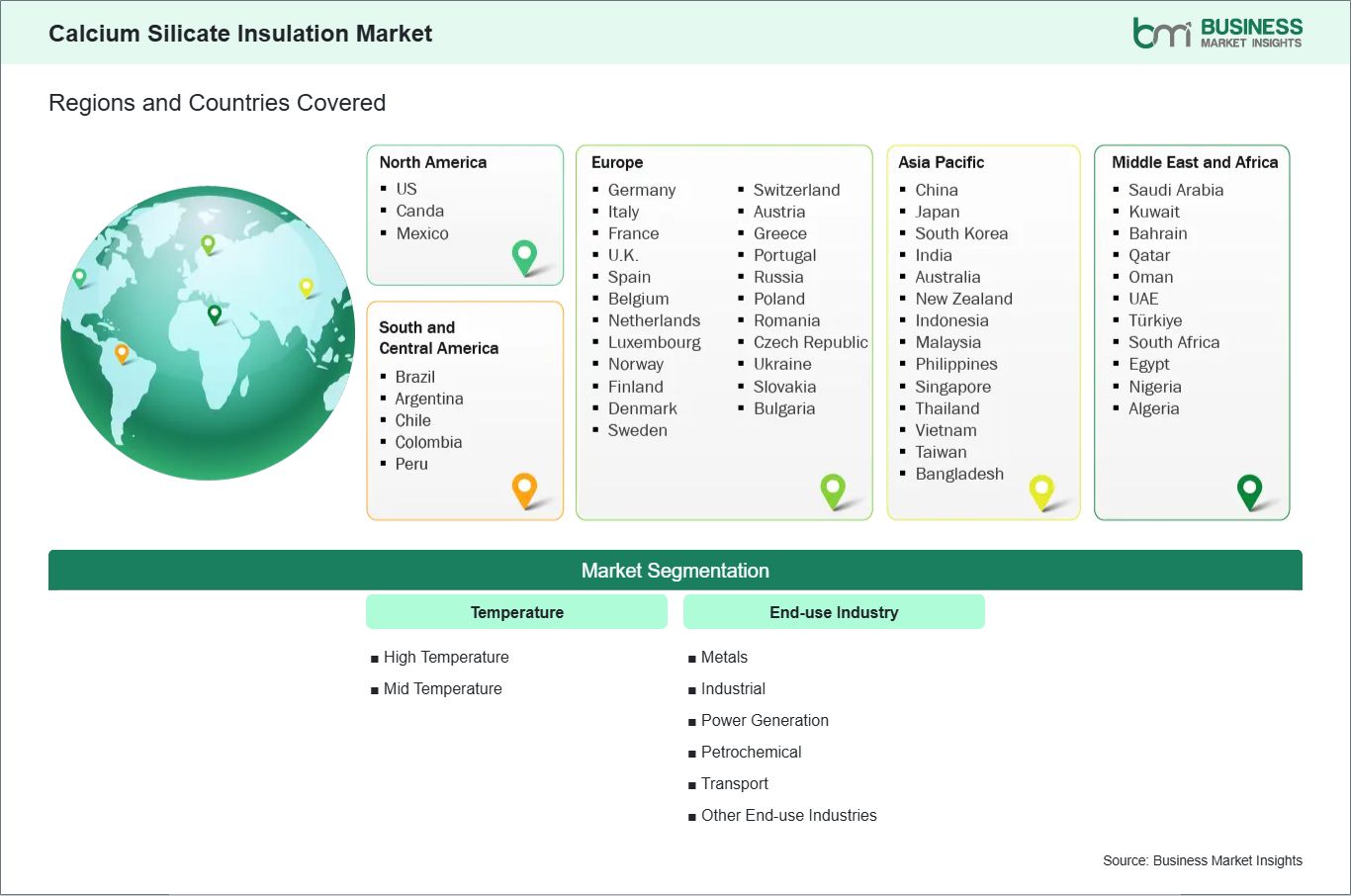
The Petrochemical Industry has a large need for Calcium Silicate Insulation to insulate pipelines, reactors & storage vessels for maintaining process temperatures and safe operations. As Petrochemical production capacity is growing globally, so too is the demand for high-performance insulation materials. In the Metals Industry, insulation is used extensively in Furnaces, Kilns and all types of high-temperature equipment and is critical to increasing efficiencies and reducing energy consumption.
The Power Generation Sector represents another significant opportunity, especially considering the rising demand for electricity and the ongoing expansion of Thermal Power Generation Facilities. Within this sector, Calcium Silicate Insulation is utilized in Boiler Systems, Turbine Systems, and Steam Systems to improve efficiency and safety. As nations invest in improving their overall energy infrastructure to meet this demand, the need for dependable insulation solutions will continue to grow. The Transportation Sector (including Rail and Marine Applications) is also beginning to utilize advanced insulating materials to provide improved insulation.