High Strength and Durability Compared to Traditional Concrete
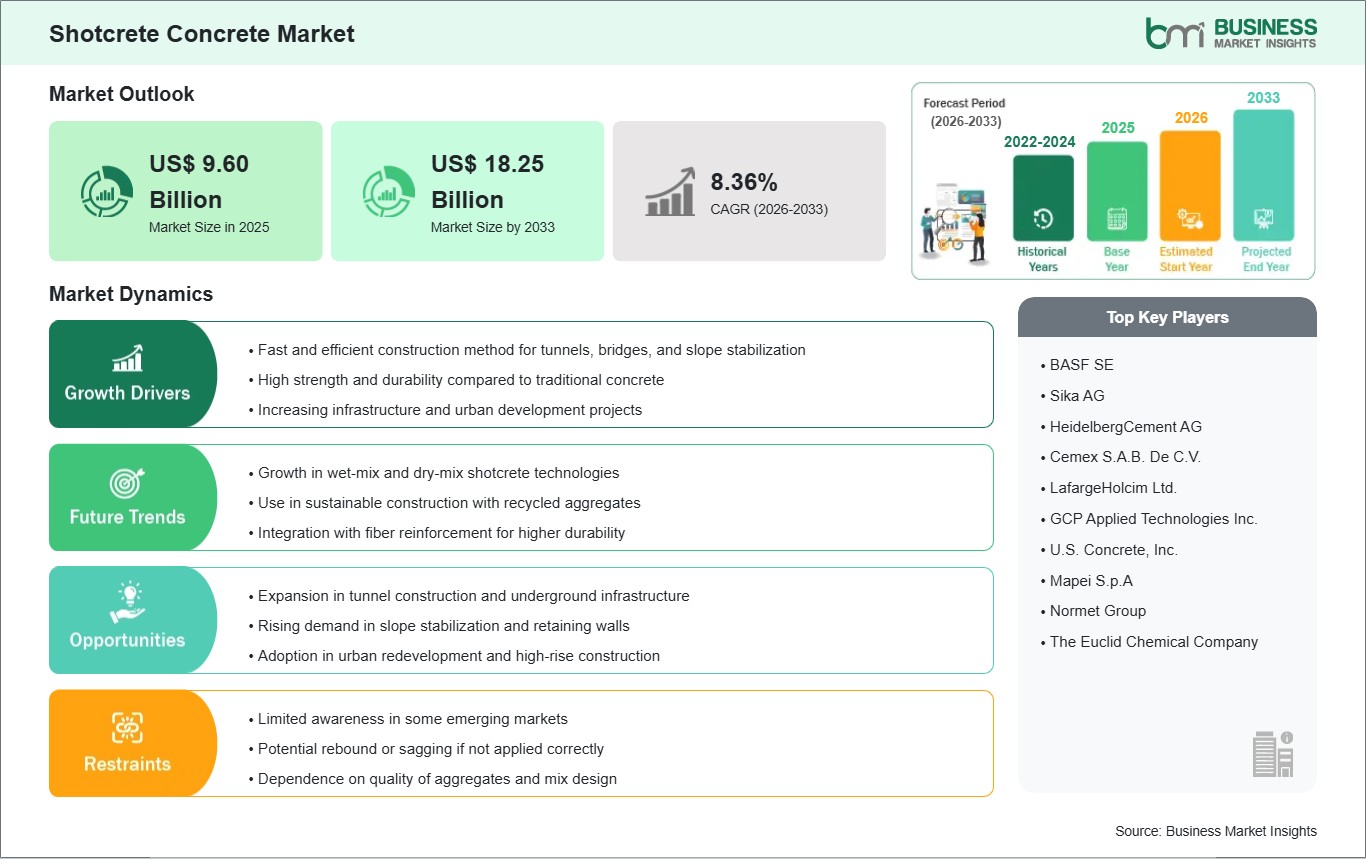
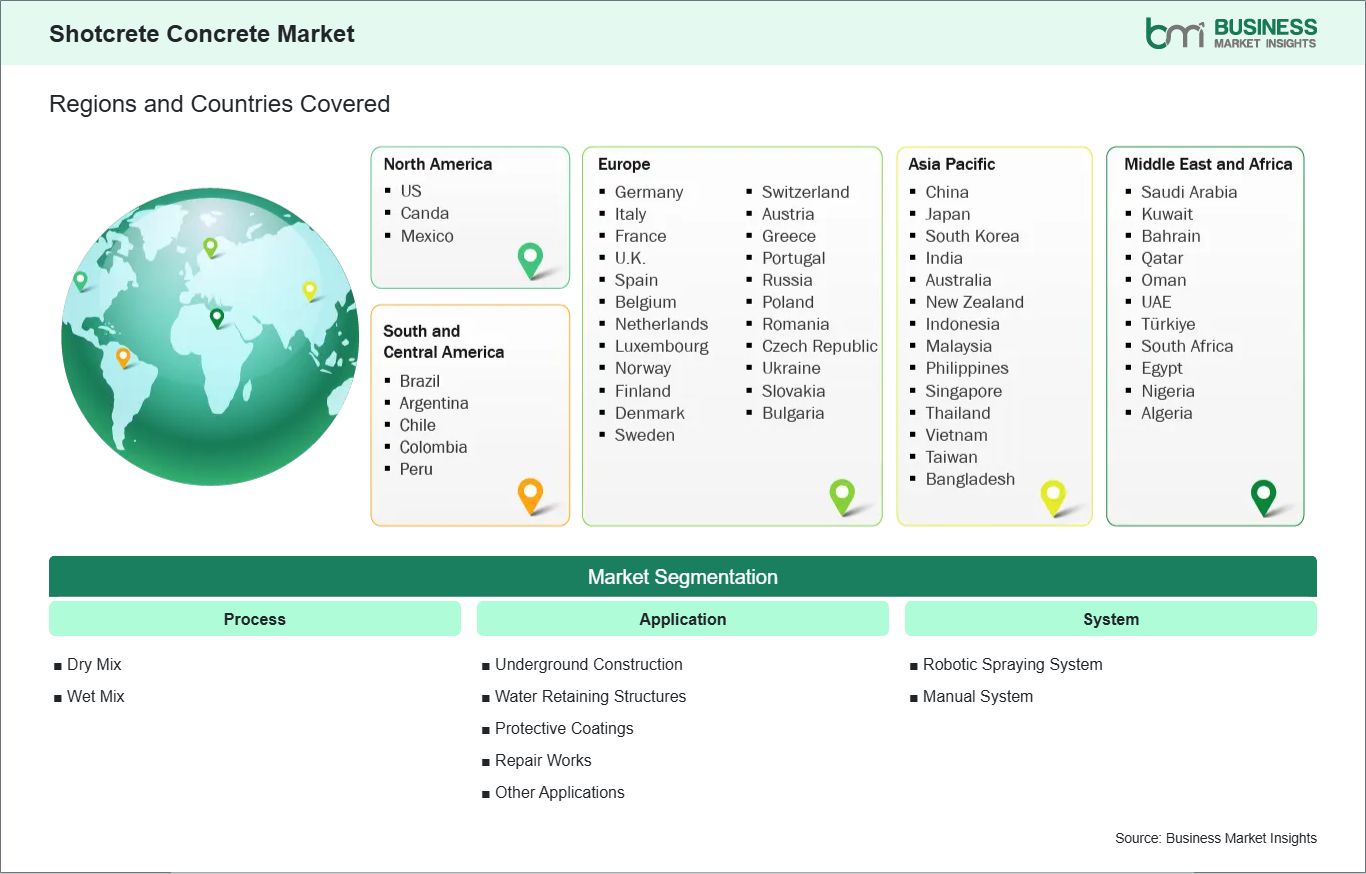
The Western Europe region's demand for shotcrete concrete is growing due to its superior strength over traditional cast-in-place concrete. The region, which includes countries such as Germany, France, and Switzerland, is investing in infrastructure projects where high strength, durability, and quick application are critical. Shotcrete offers high compressive strength, high adhesion, and low permeability, making it suitable for applications where traditional concrete may be susceptible to cracking, water infiltration, or damage under harsh environmental conditions.
The durability requirements for construction projects in Europe, such as bridges, tunnels, retaining structures, and slope stabilization, further support the use of shotcrete. The material is capable of withstanding freeze-thaw action, chemical resistance, as well as abrasion. The pneumatic application process also allows the material to be used in complex designs as well as hard-to-reach areas. This is not possible with traditional concrete.
In terms of the adaptability of the material, the use of shotcrete is also important for rehabilitation purposes. In urban areas where there is an abundance of infrastructure, the material is used to ensure that existing structures are made safe while also meeting the required standards. The flexibility, as well as the strength provided by the material, make it an important part of Western Europe, where quality is an important aspect of modern construction methods.
Expansion in Tunnel Construction and Underground Infrastructure
The growth of tunnel networks in Western Europe is a major factor in shotcrete consumption. Switzerland, Germany, France, and other countries in the region have large metro, rail, and highway tunnel construction activities in progress, for which shotcrete is essential for lining the surfaces of excavated tunnels. The rapid hardening capabilities of shotcrete, along with its high adhesive qualities, are beneficial for underground construction activities.
The emphasis on urban mobility and rail infrastructure renewal will also contribute to increased growth in the regional shotcrete market. Shotcrete is commonly utilized in underground stations, utility tunnels, and subways because of its ability to be applied to complex surfaces and steep slopes, thus ensuring safety. Both wet mix and dry mix shotcrete technologies are popular among European construction companies, depending on the scale and complexity of a project, thus ensuring efficiency.
Additionally, various civil and environmental engineering projects, such as flood protection tunnels and underground parking facilities, have increased the scope of shotcrete application beyond conventional uses. Shotcrete has demonstrated excellent durability and resistance to moisture and soil pressure, making it a popular choice for various underground constructions. Considering these factors, shotcrete is a key part of Western Europe's underground infrastructure, ensuring sustainable growth in the region.