Analysis by Wood, Cotton, Flax, Kenaf, Hemp, and Others), Technology (Injection Molding, Compression Molding, Pultrusion, and Others), and End User (Automotive & Aerospace, Building & Construction, Electrical & Electronics, Sporting Goods, and Others)
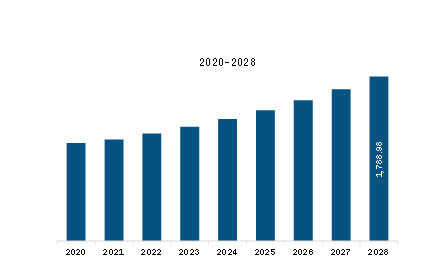
The North America natural fiber composites market is expected to grow from US$ 1,168.91 million in 2022 to US$ 1,788.98 million by 2028. It is estimated to grow at a CAGR of 7.4% from 2022 to 2028.
Growing Focus on Eco-Friendly and Sustainable Products in North America Natural Fiber Composites Market
Conventional construction materials are highly resource- and energy-intensive. Hence, owing to the rising concerns and awareness about the social and environmental impacts of conventional building materials, composite manufacturers are shifting toward environment-friendly raw materials such as natural fibers. Moreover, stringent regulations, legislation, and policies concerning environment protection, energy efficiency, and economic quality in the construction industry in the region create a shift toward green construction and propel demand for sustainable building materials. The demand for construction materials is increasing with the rising use of technologically advanced processes in construction activities. Several governments are spending generously on infrastructure development in developed and developing countries. Also, construction spending is expected to increase by 5.5% by 2023. Such initiatives generate demand for construction services, equipment, and materials. However, the growing construction sector; rising government emphasis on environmental regulations; and increasing ecological, social, and economic awareness prompted an optimal use of natural resources. This has encouraged the utilization of natural fiber-reinforced composite materials for diverse applications in the construction sector. Natural fiber composites have several advantages such as renewability, biodegradability, high strength, low cost, noncorrosive nature, nonhazardous, and manufacturing flexibility, over other composite alternatives. Thus, rising awareness of green building materials and government support for sustainable solutions fuel the natural fiber composites market growth.
North America Natural Fiber Composites Market Overview
North America offers an extensive growth opportunity for the natural fiber composites market players due to the growing utilization of natural fiber composites within its end-use industries, including automotive, construction, aerospace, consumer goods, and electronics. Natural fiber composites are utilized in various interior and exterior applications of automobiles and infrastructural applications. According to the International Organization of Motor Vehicle Manufacturers (OICA), in 2021, North America registered a production of 13.42 million vehicles. Natural fiber composites are used in automotive interior linings due to their properties, such as lightweight, prefabrication capabilities, and design flexibility. The construction sector in North America is witnessing growth due to increased federal and state financing for the construction of commercial and institutional structures in the region. According to a report released by the US Census Bureau, the value of total construction (private and public) investment in 2022 was US$ 1,792.9 billion, a 10.2% increase from investments in 2021. The expansion of the construction sector and the imposition of building regulations requiring the utilization of green materials are expected to fuel the regional natural fiber composites market during the forecast period.
North America Natural Fiber Composites market Revenue and Forecast to 2028 (US$ Million)
North America Natural Fiber Composites market Segmentation
The North America natural fiber composites market is segmented on the basis of raw material, technology, and end user. On the basis of raw material, the North America natural fiber composites market is segmented into wood, cotton, flax, kenaf, hemp, and others. The wood segment registered a larger market share in 2022.
Based on technology, the North America natural fiber composites market is further segmented into injection molding, compression molding, pultrusion, and others. The injection molding segment registered a larger market share in 2022.
Based on end user, the North America natural fiber composites market is segmented into automotive & aerospace, building & construction, electrical & electronics, sporting goods, and others. The automotive & aerospace registered the largest market share in 2022.
Based on country, the North America natural fiber composites market is segmented into US, Canada, and Mexico. US dominated the market share in 2022.
Amorim Cork Composites SA, Flexform Technologies LLC, Lanxess AG, Lingrove Inc, Polyvlies Franz Beyer GmbH, and UPM-Kymmene Corp are the leading companies operating in the North America natural fiber composites market.
North America Natural Fiber Composites Market Strategic Insights
Get more information on this report
North America Natural Fiber Composites Market Segmentation Analysis
North America Natural Fiber Composites Market Report Highlights
North America Natural Fiber Composites Report Scope
Report Attribute
Details
Market size in 2022
US$ 1,168.91 Million
Market Size by 2028
US$ 1,788.98 Million
CAGR (2022 - 2028)
7.4%
Historical Data
2020-2021
Forecast period
2023-2028
Segments Covered
By Wood, Cotton, Flax, Kenaf, Hemp)By Technology
Injection Molding
Compression Molding
Pultrusion
By End User
Automotive & Aerospace
Building & Construction
Electrical & Electronics
Sporting Goods
Regions and Countries Covered
North America
US, Canada, Mexico
Market leaders and key company profiles
Amorim Cork Composites SA
Flexform Technologies LLC
Lanxess AG
Lingrove Inc
Polyvlies Franz Beyer GmbH
UPM-Kymmene Corp
Get more information on this report
North America Natural Fiber Composites Market Country and Regional Insights
Get more information on this report
Identical Market Reports with other Region/Countries
The List of Companies - North America Natural Fiber Composites Market
Amorim Cork Composites SAFlexform Technologies LLCLanxess AGLingrove IncPolyvlies Franz Beyer GmbHUPM-Kymmene Corp
Frequently Asked Questions
How big is the North America Natural Fiber Composites Market?
The North America Natural Fiber Composites Market is valued at US$ 1,168.91 Million in 2022, it is projected to reach US$ 1,788.98 Million by 2028.
What is the CAGR for North America Natural Fiber Composites Market by (2022 - 2028)?
As per our report North America Natural Fiber Composites Market, the market size is valued at US$ 1,168.91 Million in 2022, projecting it to reach US$ 1,788.98 Million by 2028. This translates to a CAGR of approximately 7.4% during the forecast period.
What segments are covered in this report?
The North America Natural Fiber Composites Market report typically cover these key segments-
End User (Automotive & Aerospace, Building & Construction, Electrical & Electronics, Sporting Goods)
What is the historic period, base year, and forecast period taken for North America Natural Fiber Composites Market?
The historic period, base year, and forecast period can vary slightly depending on the specific market research report. However, for the North America Natural Fiber Composites Market report:
Historic Period : 2020-2021
Base Year : 2022
Forecast Period : 2023-2028
Who are the major players in North America Natural Fiber Composites Market?
The North America Natural Fiber Composites Market is populated by several key players, each contributing to its growth and innovation. Some of the major players include:
Amorim Cork Composites SA
Flexform Technologies LLC
Lanxess AG
Lingrove Inc
Polyvlies Franz Beyer GmbH
UPM-Kymmene Corp
Who should buy this report?
The North America Natural Fiber Composites Market report is valuable for diverse stakeholders, including:
Investors: Provides insights for investment decisions pertaining to market growth, companies, or industry insights. Helps assess market attractiveness and potential returns.
Industry Players: Offers competitive intelligence, market sizing, and trend analysis to inform strategic planning, product development, and sales strategies.
Suppliers and Manufacturers: Helps understand market demand for components, materials, and services related to concerned industry.
Researchers and Consultants: Provides data and analysis for academic research, consulting projects, and market studies.
Financial Institutions: Helps assess risks and opportunities associated with financing or investing in the concerned market.
Essentially, anyone involved in or considering involvement in the North America Natural Fiber Composites Market value chain can benefit from the information contained in a comprehensive market report.





 Get Free Sample For North America Natural Fiber Composites Market