Analysis – by Type [Inulin, Galacto-oligosaccharides (GOS), Mannan-oligosaccharides (MOS), and Others], Form (Powder and Liquid), and Application (Functional Food and Beverages, Dietary Supplements, Animal Feed, and Others)
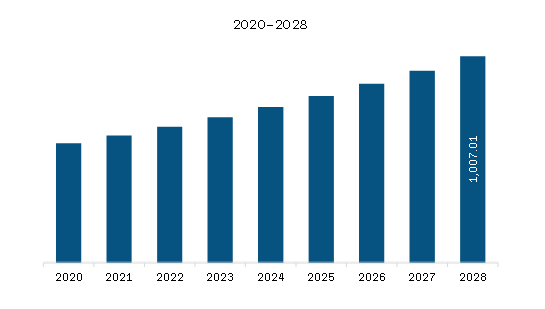
The Asia Pacific prebiotic ingredients market is expected to grow from US$ 663.07 million in 2022 to US$ 1,007.01 million by 2028; it is estimated to grow at a CAGR of 7.2% from 2022 to 2028.
Various additives are incorporated into food products and beverages to increase their nutritional value. Promising health benefits of prebiotic-fortified food and the participation of international bodies in the prebiotic R&D approval process are favoring the proliferation of the prebiotic ingredients market. Consumers across the region opt for natural and fresh food to maintain their gut and immune health. The chicory roots, onions, garlic, barley, oats, apples, bananas, cocoa, flax seeds, and dandelion greens are a few of the natural sources of prebiotic ingredients, such as fiber inulin, pectin, and fructo-oligosaccharides (FOS). Many corporations have been investing in discovering novel ingredients, enabling manufacturers to run active health management programs. Furthermore, the prebiotic ingredients market is attributed to the growing customer acceptance of premium food products that contain prebiotic ingredients and their willingness to pay high amounts for such products. In June 2021, DuPont’s IFF Nutrition & Biosciences launched Nurica, a prebiotic solution for dairy producers, which reduces sugar and lactose levels in milk. The popularity of prebiotics is rising in the food & beverages industry due to their application in nutritional bars, dairy products, health drinks, mineral supplements, breakfast cereals, bakery goods, confectioneries, green foods, and infant formulas. In November 2018, Kellogg Company launched a new cereal, under the brand name HI! Happy Inside, which included prebiotics and probiotics, as a part of its gut-boosting digestive products line-up. Further, inulin is widely utilized in the food processing sector as it is a good and healthy substitute for fat and sugar. Major milk-producing countries such as India and China utilize prebiotics for providing desired texture to the final products and making sugar-free dairy products. Furthermore, infant formula or baby food contains various prebiotic ingredients, including galacto-oligosaccharides, fructo-oligosaccharides, and polydextrose in different combinations. Infant formula fortified with prebiotics modifies gastrointestinal (GI) microbiota in a similar way as it is designed by breast milk. The demand for prebiotics in fortified foods is projected to remain high due to the increasing awareness of their benefits and the willingness of consumers to purchase premium products incorporated with prebiotics, which boosts the prebiotic ingredients market growth.
Asia Pacific Prebiotic Ingredients Market Revenue and Forecast to 2028 (US$ Million)
Asia Pacific Prebiotic Ingredients Market Segmentation
The Asia Pacific prebiotic ingredients market is segmented by type, form, application, and country. Based on type, the Asia Pacific prebiotic ingredients market is segmented into inulin, galacto-oligosaccharides (GOS), mannan-oligosaccharides (MOS), and others. Further, the inulin segment dominated the market in 2022. Based on form, the Asia Pacific prebiotic ingredients market is bifurcated into powder and liquid. Further, the powder segment dominated the market in 2022. Based on application, the Asia Pacific prebiotic ingredients market is segmented into functional food and beverages, dietary supplements, animal feed, and others. Further, the functional food and beverages segment dominated the market in 2022. Based on country, the Asia Pacific prebiotic ingredients market is segmented into China, Japan, India, Australia, South Korea, and the Rest of Asia Pacific. Further, the Rest of Asia Pacific dominated the market in 2022.
A few of the key players dominating the Asia Pacific prebiotic ingredients market are Beneo GmbH; Cargill, Incorporated; Clasado Limited; COSUCRA; DuPont; Ingredion; Nexira; Roquette Freres; Sensus; and SOLACTIS.
Asia Pacific Prebiotic Ingredients Market Strategic Insights
Get more information on this report
Asia Pacific Prebiotic Ingredients Market Segmentation Analysis
Asia Pacific Prebiotic Ingredients Market Report Highlights
Asia Pacific Prebiotic Ingredients Report Scope
Report Attribute
Details
Market size in 2022
US$ 663.07 Million
Market Size by 2028
US$ 1,007.01 Million
CAGR (2022 - 2028)
7.2%
Historical Data
2020-2021
Forecast period
2023-2028
Segments Covered
By Type
Inulin
Galacto-oligosaccharides
Mannan-oligosaccharides
Others
By Form
Powder and Liquid
By Application
Functional Food and Beverages
Dietary Supplements
Animal Feed
Regions and Countries Covered
Asia-Pacific
China, India, Japan, Australia, Rest of Asia-Pacific
Market leaders and key company profiles
Beneo GmbH
Cargill, Incorporated
Clasado Limited
COSUCRA
DuPont
Ingredion
Nexira
Roquette Freres
Sensus
SOLACTIS
Get more information on this report
Asia Pacific Prebiotic Ingredients Market Country and Regional Insights
Get more information on this report
Identical Market Reports with other Region/Countries
The List of Companies - Asia Pacific Prebiotic Ingredients Market
Beneo GmbHCargill, IncorporatedClasado LimitedCOSUCRADuPontIngredionNexiraRoquette FreresSensusSOLACTIS
Frequently Asked Questions
How big is the Asia Pacific Prebiotic Ingredients Market?
The Asia Pacific Prebiotic Ingredients Market is valued at US$ 663.07 Million in 2022, it is projected to reach US$ 1,007.01 Million by 2028.
What is the CAGR for Asia Pacific Prebiotic Ingredients Market by (2022 - 2028)?
As per our report Asia Pacific Prebiotic Ingredients Market, the market size is valued at US$ 663.07 Million in 2022, projecting it to reach US$ 1,007.01 Million by 2028. This translates to a CAGR of approximately 7.2% during the forecast period.
What segments are covered in this report?
The Asia Pacific Prebiotic Ingredients Market report typically cover these key segments-
Type (Inulin, Galacto-oligosaccharides, Mannan-oligosaccharides, Others)
Form (Powder and Liquid)
Application (Functional Food and Beverages, Dietary Supplements, Animal Feed)
What is the historic period, base year, and forecast period taken for Asia Pacific Prebiotic Ingredients Market?
The historic period, base year, and forecast period can vary slightly depending on the specific market research report. However, for the Asia Pacific Prebiotic Ingredients Market report:
Historic Period : 2020-2021
Base Year : 2022
Forecast Period : 2023-2028
Who are the major players in Asia Pacific Prebiotic Ingredients Market?
The Asia Pacific Prebiotic Ingredients Market is populated by several key players, each contributing to its growth and innovation. Some of the major players include:
Beneo GmbH
Cargill, Incorporated
Clasado Limited
COSUCRA
DuPont
Ingredion
Nexira
Roquette Freres
Sensus
SOLACTIS
Who should buy this report?
The Asia Pacific Prebiotic Ingredients Market report is valuable for diverse stakeholders, including:
Investors: Provides insights for investment decisions pertaining to market growth, companies, or industry insights. Helps assess market attractiveness and potential returns.
Industry Players: Offers competitive intelligence, market sizing, and trend analysis to inform strategic planning, product development, and sales strategies.
Suppliers and Manufacturers: Helps understand market demand for components, materials, and services related to concerned industry.
Researchers and Consultants: Provides data and analysis for academic research, consulting projects, and market studies.
Financial Institutions: Helps assess risks and opportunities associated with financing or investing in the concerned market.
Essentially, anyone involved in or considering involvement in the Asia Pacific Prebiotic Ingredients Market value chain can benefit from the information contained in a comprehensive market report.





 Get Free Sample For Asia Pacific Prebiotic Ingredients Market