Improved safety in laser devices
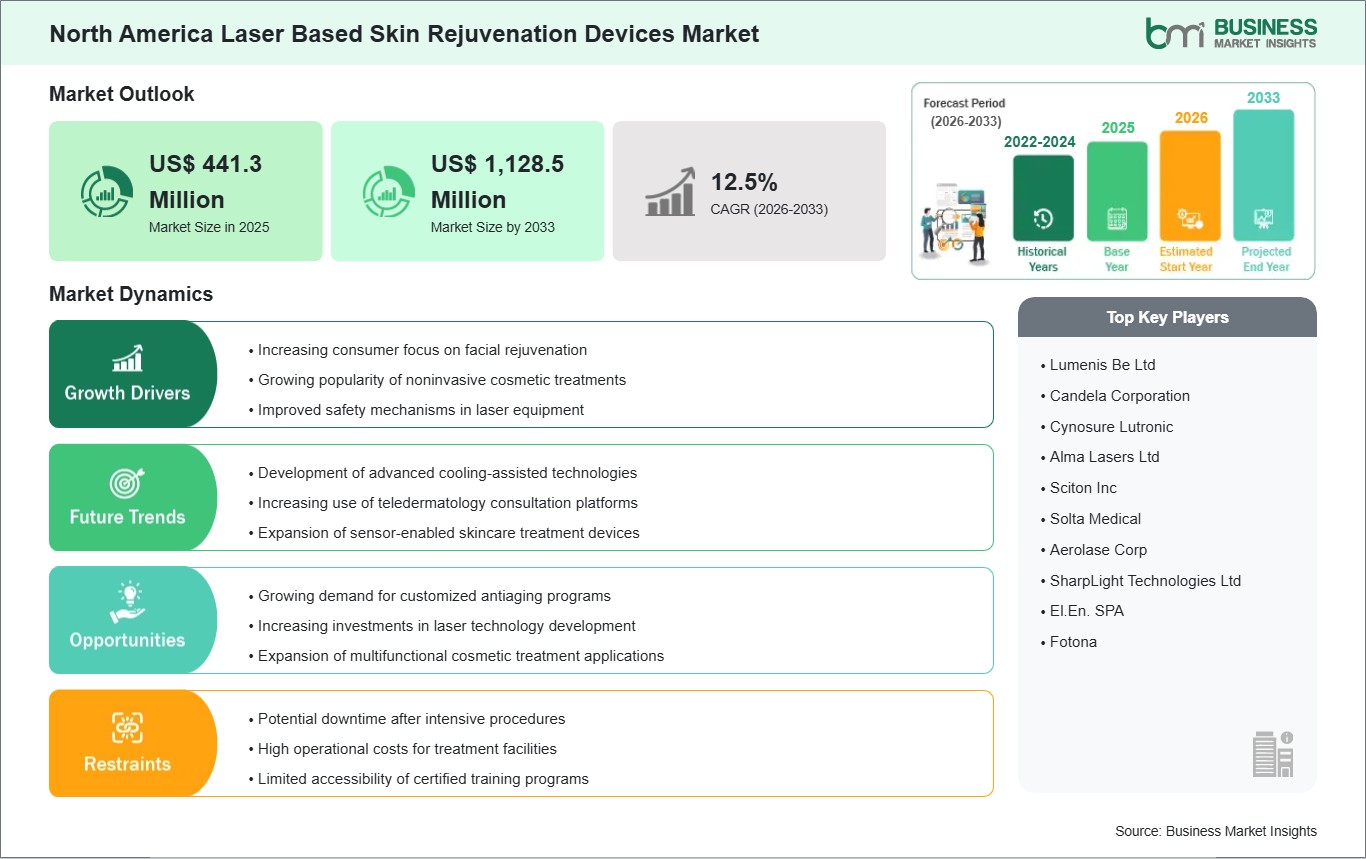
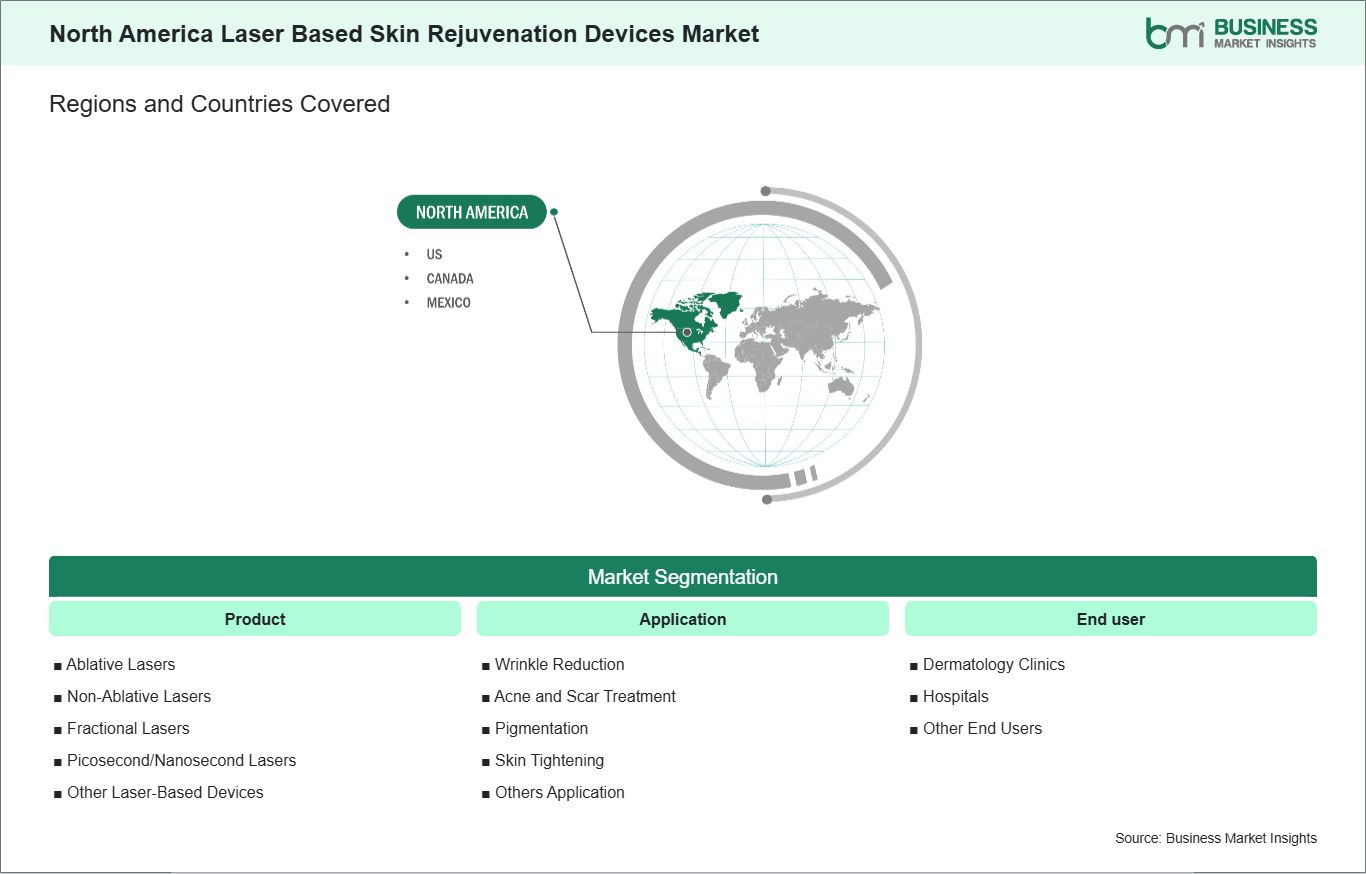
The North America laser-based skin rejuvenation devices market is expanding due to major improvements in treatment safety and precision. U.S.-based manufacturers are incorporating various cooling techniques, automated energy control technology, and skin monitoring devices into their laser systems to minimize risks like burns and hyperpigmentation. Fractional and picosecond lasers have become popular due to their ability to produce good skin results in less time. Stringent regulation by the FDA in the U.S. has also prompted facilities to use safe and more sophisticated equipment.
In North America, laser equipment that is suitable for treating patients with different skin types is being prioritized by health care professionals. This is especially essential in diverse places like Toronto, New York, and Los Angeles, which have an increased need for aesthetic treatment of all races. There has also been an increase in spending on training programs for technicians. The conducive regulatory framework of energy-based devices in Canada is also contributing to technological advancement in the region.
There is an increasing trend among consumers to opt for minimally invasive cosmetic surgery techniques, which have spurred manufacturers to develop laser techniques that ensure greater safety for patients. Consumers, particularly aging ones looking for anti-aging solutions without going under the knife, tend to prefer minimally invasive surgeries as the latter are more reliable and allow patients to recover faster. The introduction of devices that can automatically regulate pulses and maintain temperatures has proven to be highly successful.
Rising popularity of home devices
The North America laser-based skin rejuvenation devices market is also benefiting from rising demand for home-use skincare technologies. U.S. and Canadian consumers are turning more frequently towards laser instruments, LED masks, and light-based facial rejuvenation kits as cost-effective options compared to professional treatments. The main driving forces behind the trend include convenience, privacy, and increasing awareness of skin care. FDA-approved personal devices are becoming popular choices among consumers who wish to continue their professional treatments at home.
US continues to be the top regional market for laser anti-aging devices meant for home use because of the rapid development of e-commerce and substantial expenditure on beauty tech by consumers. Social media influencers, as well as celebrities who promote anti-aging gadgets that produce collagen and improve skin elasticity, have greatly contributed to raising awareness about the devices.
There has been an increased attention towards developing smaller-sized, easy-to-use, and intelligent rejuvenation devices in order to improve customer engagement. There has been a rise in consumer interest in FDA-approved products in Canada, whereas in the USA, consumers value FDA approval along with visible improvements in their looks. Despite issues related to misuse of the product, regulation and instructions have helped enhance consumer confidence. Consumers' inclination towards non-surgical and affordable skin care options is expected to continue propelling the market growth in North America.