Rising Burden of Cardiovascular Diseases
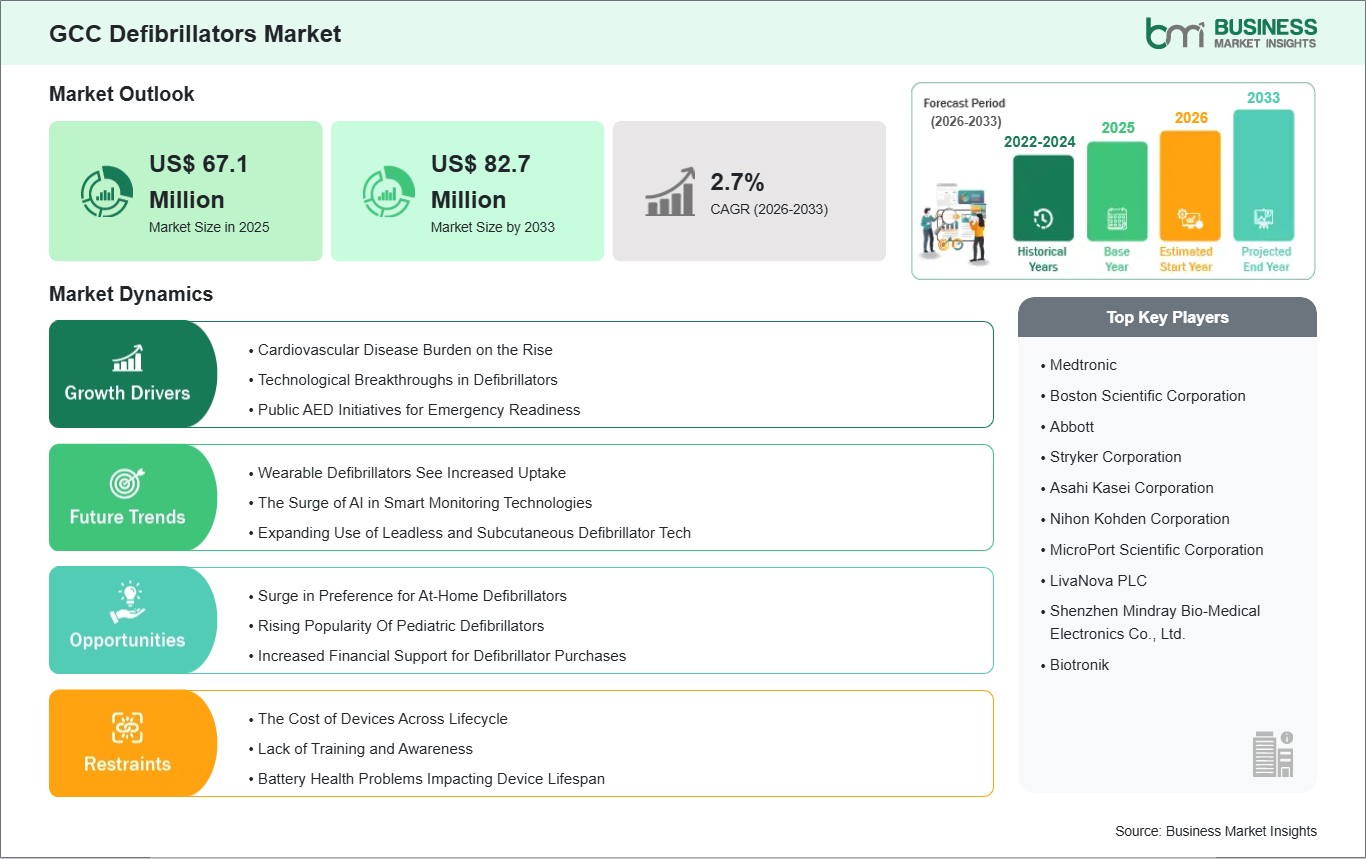
The Gulf Cooperation Council (GCC) countries are experiencing a growing burden of cardiovascular diseases due to rapid urbanization, sedentary lifestyles, and rising rates of obesity and diabetes. Conditions such as coronary artery disease, heart failure, and sudden cardiac arrest are becoming increasingly common. This expanding disease burden is placing pressure on hospitals and emergency services to adopt cardiac care technologies, including defibrillators, to improve survival rates from acute cardiac events.
Healthcare systems are responding by incorporating defibrillators into hospital intensive care units and emergency response frameworks. Leading hospitals are upgrading cardiac care units and providing staff with training in advanced life support protocols. AEDs and implantable cardioverter defibrillators (ICDs) are being deployed more widely, reflecting the recognition that rapid intervention is critical in managing life-threatening arrhythmias and reducing mortality.
Despite the region’s wealth and modern healthcare infrastructure, access to emergency cardiac equipment can vary. Smaller towns and rural areas may have fewer defibrillators and limited trained personnel, which can delay response times in critical situations. Governments and healthcare organizations are promoting training programs, expanding ambulance equipment, and increasing public awareness about cardiac emergencies to ensure more equitable access to life-saving devices.
Surging Preference for At-Home Defibrillators
There is a rising trend toward home-based defibrillators in the GCC, particularly among patients with known cardiac conditions or elevated risk of sudden cardiac arrest. Residents in wealthier urban areas, such as Abu Dhabi and Doha, are purchasing portable AEDs for personal use. Awareness campaigns and physician recommendations are driving this shift, emphasizing the importance of immediate intervention during cardiac emergencies.
The expansion of telemedicine and home healthcare services is boosting the adoption of residential defibrillators. Medical professionals are advising patients on safe and simple device use at home, often coupled with CPR training for family members. This approach is critical in regions where emergency response times may be affected by traffic congestion or geographic spread, making home-based defibrillators an essential first line of defense against out-of-hospital cardiac events.
Some households may find the cost of devices and maintenance prohibitive, while others may lack familiarity with proper operation. Despite these limitations, ongoing efforts by healthcare providers, public health authorities, and advocacy groups to improve access and education indicate that at-home defibrillators are likely to play a vital role in cardiac care in the coming years.