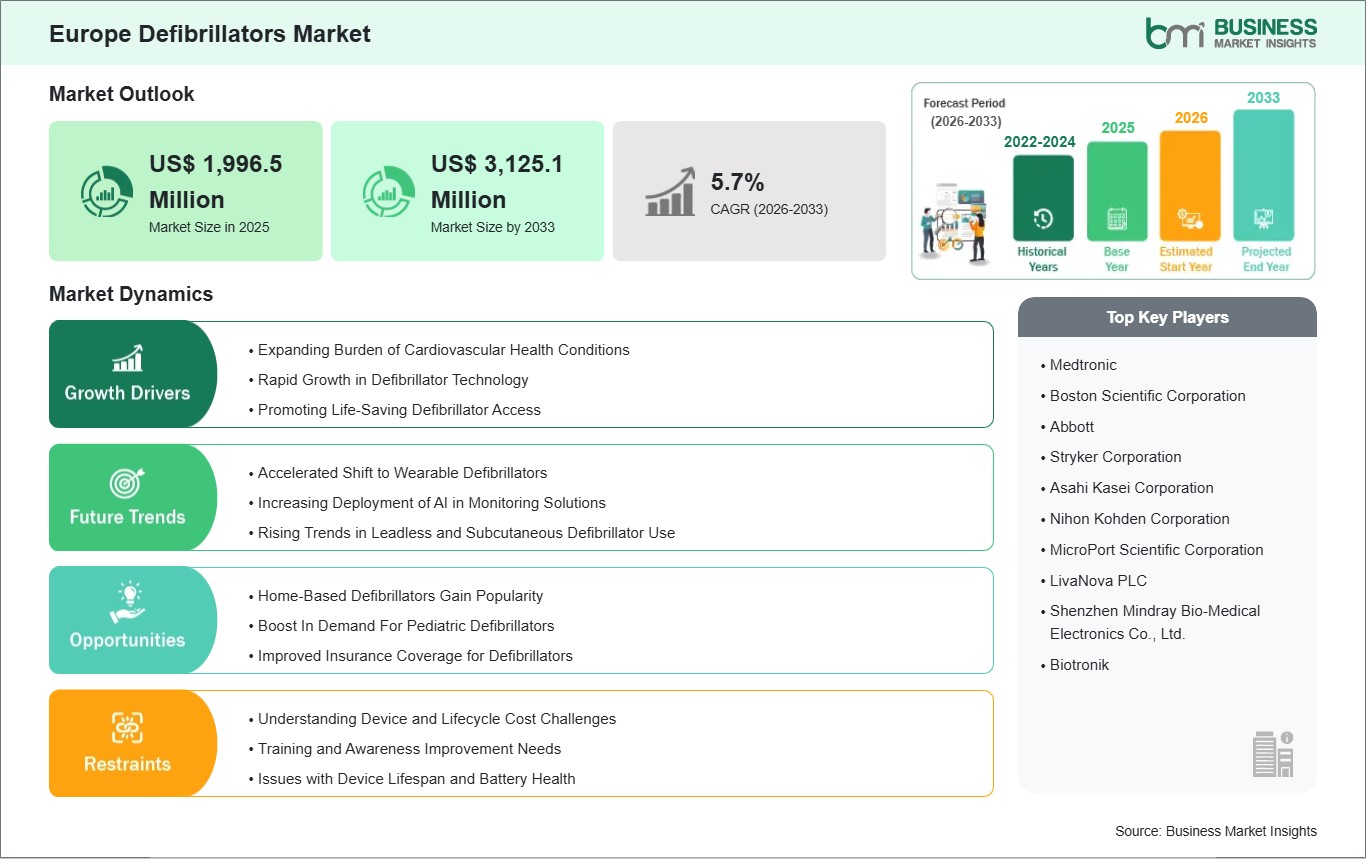
Expanding Burden of Cardiovascular Health Conditions
Europe is facing a rising burden of cardiovascular diseases, driven by aging populations, lifestyle factors, and the prevalence of chronic conditions such as hypertension, obesity, and diabetes. Heart diseases, arrhythmias, and sudden cardiac arrest are common across European countries. Urban centers such as Berlin, Paris, Madrid, and Milan are seeing higher patient volumes in cardiology units, reflecting the growing demand for advanced cardiac care, including defibrillators.
Healthcare systems are integrating defibrillators into hospitals, emergency response services, and specialized cardiac units. Hospitals in major cities are expanding intensive care capabilities and training staff in advanced life support procedures. AEDs and implantable cardioverter defibrillators (ICDs) are becoming standard tools in emergency protocols, demonstrating the critical importance of timely defibrillation in managing life-threatening cardiac events.
Despite these efforts, access to defibrillators is uneven across the continent. Rural and smaller towns face limited availability of emergency cardiac equipment, and patients may encounter delays in receiving care. Governments and healthcare organizations are introducing initiatives to improve training, increase device distribution, and enhance public awareness of cardiac emergencies. These measures aim to ensure that more people, regardless of location, have access to life-saving interventions.
Home-Based Defibrillators Gain Popularity
There is a growing interest in home-based defibrillators across Europe, particularly among individuals with a history of heart disease or higher risk of cardiac events. Middle- and upper-income households in countries such as Germany, the UK, and France are purchasing portable AEDs for personal use. Public awareness campaigns and advocacy efforts are driving a cultural shift, emphasizing the importance of immediate intervention during cardiac emergencies.
The rise of telemedicine and home healthcare services is supporting this trend. Medical professionals are advising patients on using easy-to-operate defibrillators at home, often in combination with CPR training for family members. This trend is important in areas where emergency medical response times may be longer due to geographic distance or urban congestion. Home-based defibrillators serve as a vital first line of defense, improving survival rates from out-of-hospital cardiac events.
High device costs, maintenance requirements, and limited public knowledge about proper usage continue to be challenges, especially outside major cities. Nevertheless, ongoing efforts by governments, healthcare providers, and patient advocacy groups to increase accessibility and awareness indicate that home-based defibrillators will become an important part of cardiac care across Europe in the coming years.