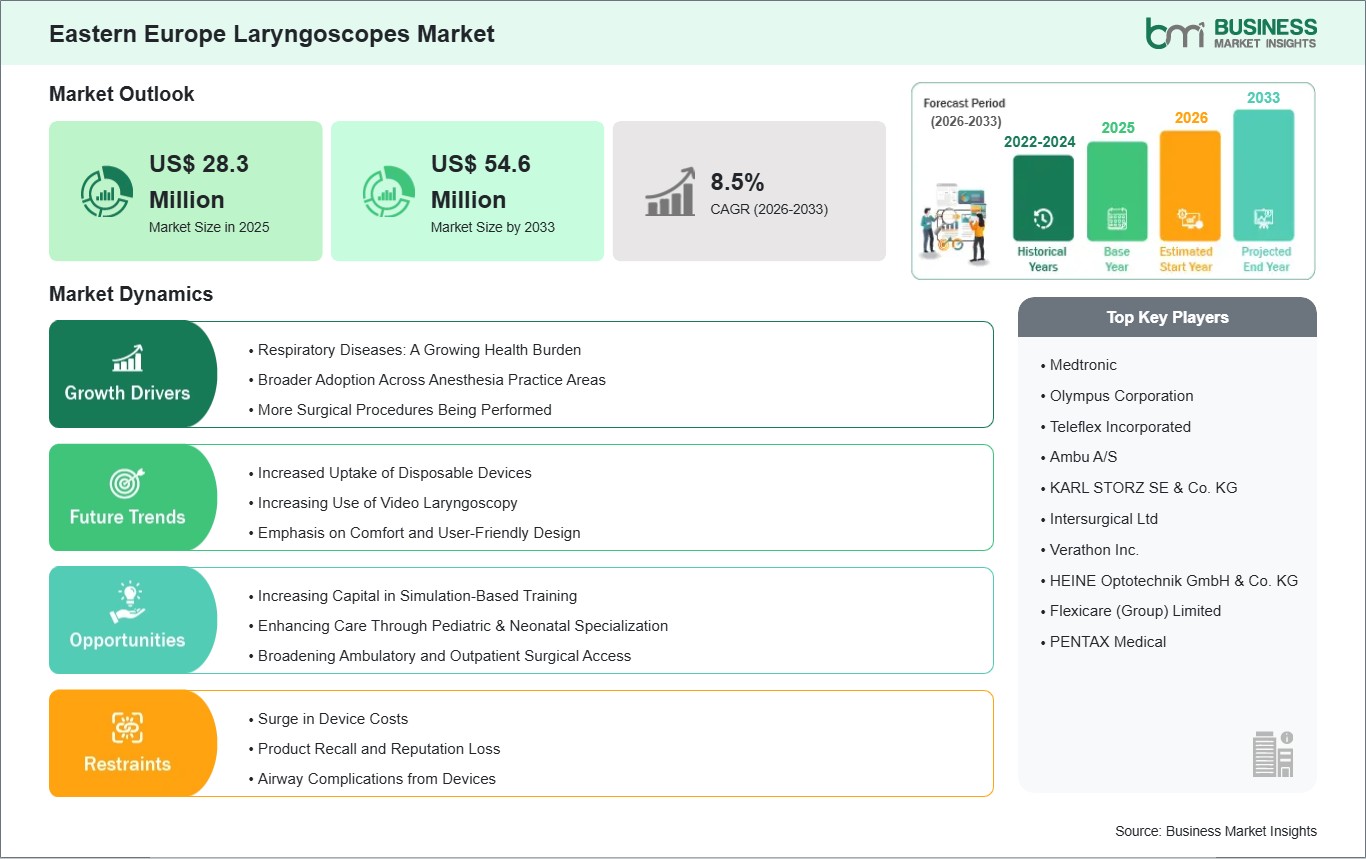
Respiratory Diseases: A Growing Health Burden
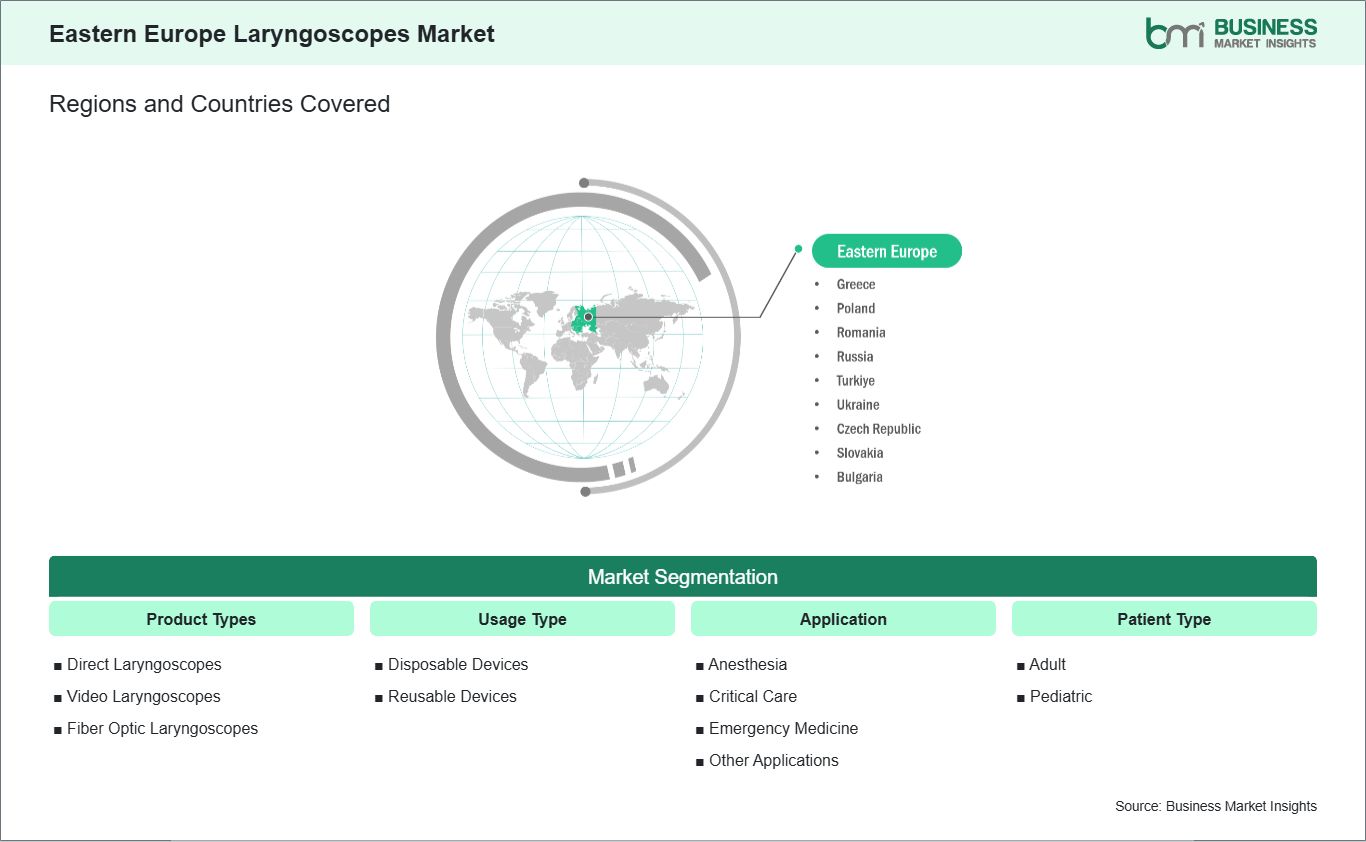
Eastern Europe continues to face a rising burden of respiratory diseases, driven by a combination of environmental, lifestyle, and demographic factors. Industrial zones across Poland, Romania, and parts of Russia contribute to persistent air pollution, while colder climates in countries like Ukraine and Belarus lead to higher seasonal respiratory infection rates. These conditions increase hospital admissions for asthma, COPD, and pneumonia, directly elevating the need for airway interventions where laryngoscopes are essential for intubation and emergency airway control.
Smoking prevalence remains relatively high in several Eastern European countries, further compounding chronic lung disease incidence. This has created a sustained patient base requiring repeated respiratory care, particularly in intensive care and surgical settings. Hospitals in urban centers such as Warsaw, Bucharest, and Prague frequently manage complex respiratory cases, reinforcing the routine use of laryngoscopes in both elective surgeries and emergency procedures.
At the same time, healthcare systems across the region are increasingly dealing with aging populations, especially in countries like Bulgaria and Hungary. Elderly patients are more vulnerable to postoperative respiratory complications and infections, which increases the frequency of airway management procedures. Combined with gradual improvements in access to critical care infrastructure, this demographic shift is steadily strengthening the long-term demand for laryngoscopy devices across Eastern European healthcare facilities.
Expanding Financial Support for Simulation Learning
Eastern European healthcare systems are progressively increasing financial support for simulation-based medical training as part of broader efforts to improve clinical outcomes and standardize procedural skills. Countries such as Poland and the Czech Republic are investing in modern medical simulation centers within university hospitals, where clinicians practice airway management techniques in controlled, risk-free environments. This is particularly important for improving proficiency in intubation procedures, which require high precision and rapid decision-making.
There have been additional attempts to introduce modern airway management training using international funding programs and cooperation with European medical facilities as well. With the help of the initiatives mentioned above, smaller healthcare organizations in Romania, Serbia, and Bulgaria can afford to utilize modern training facilities that have long been implemented in Western Europe only. As a consequence, an increasing number of clinicians become familiar with modern airway management devices that include video-assisted laryngoscopes.
In addition, procurement is now performed according to training needs; hence, simulation lab equipment resembles clinical devices. Such integration makes airway management procedures more familiar to medical professionals through the introduction of training sessions in modern airway management devices. Consequently, future implementation of such devices is predicted due to the gradual reduction of errors and improved readiness for emergencies within Eastern Europe.