
Colorectal Cancer Therapeutics Market Outlook: Size, Share, Trends, Growth Analysis, Competitive Landscape & Forecast, 2026-2033

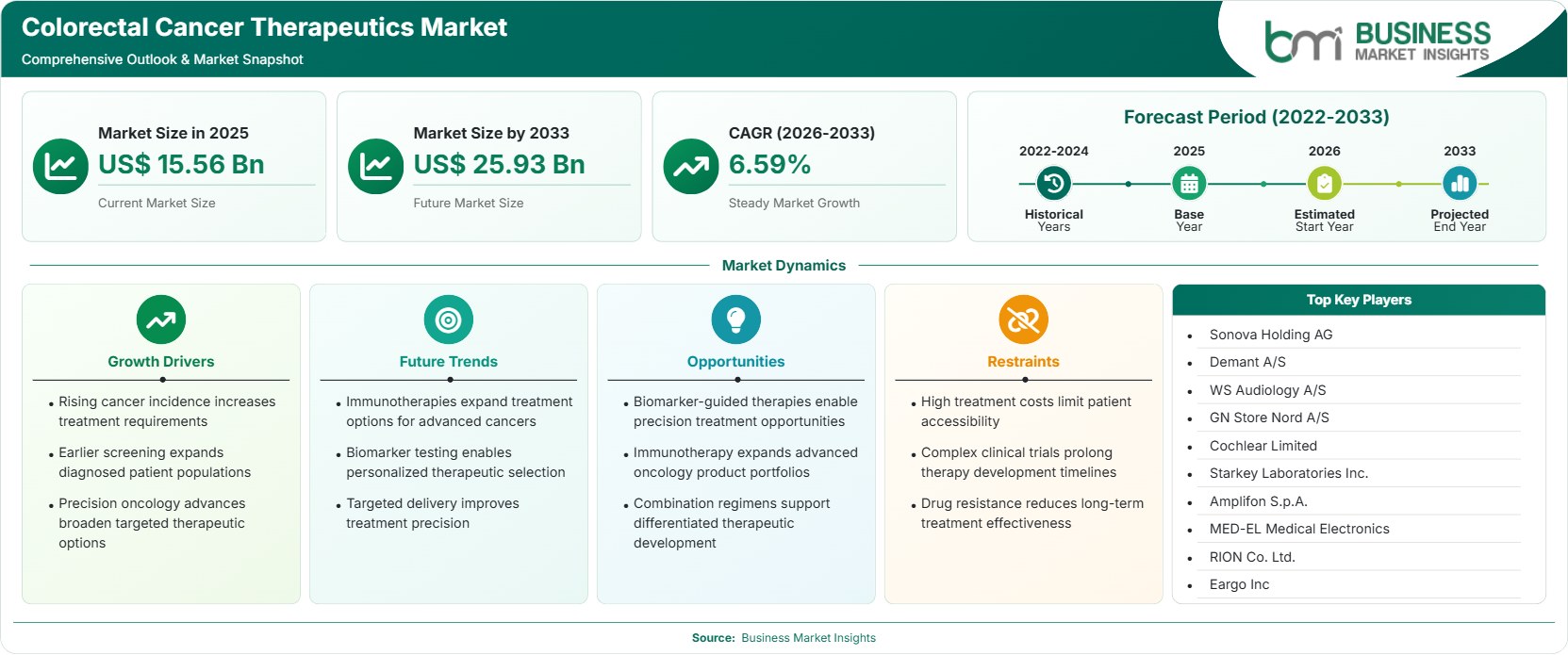
The Colorectal Cancer Therapeutics Market size was valued at US$ 15.56 Billion in 2025 and is projected to reach US$ 25.93 Billion by 2033, growing at a CAGR of 6.59% during 2026–2033. Key growth drivers include rising colorectal cancer incidence, expanding biomarker-guided therapies, increased immunotherapy adoption, and broader screening programs. Opportunities stem from precision oncology, emerging markets, and combination-treatment innovations.

Report Coverage
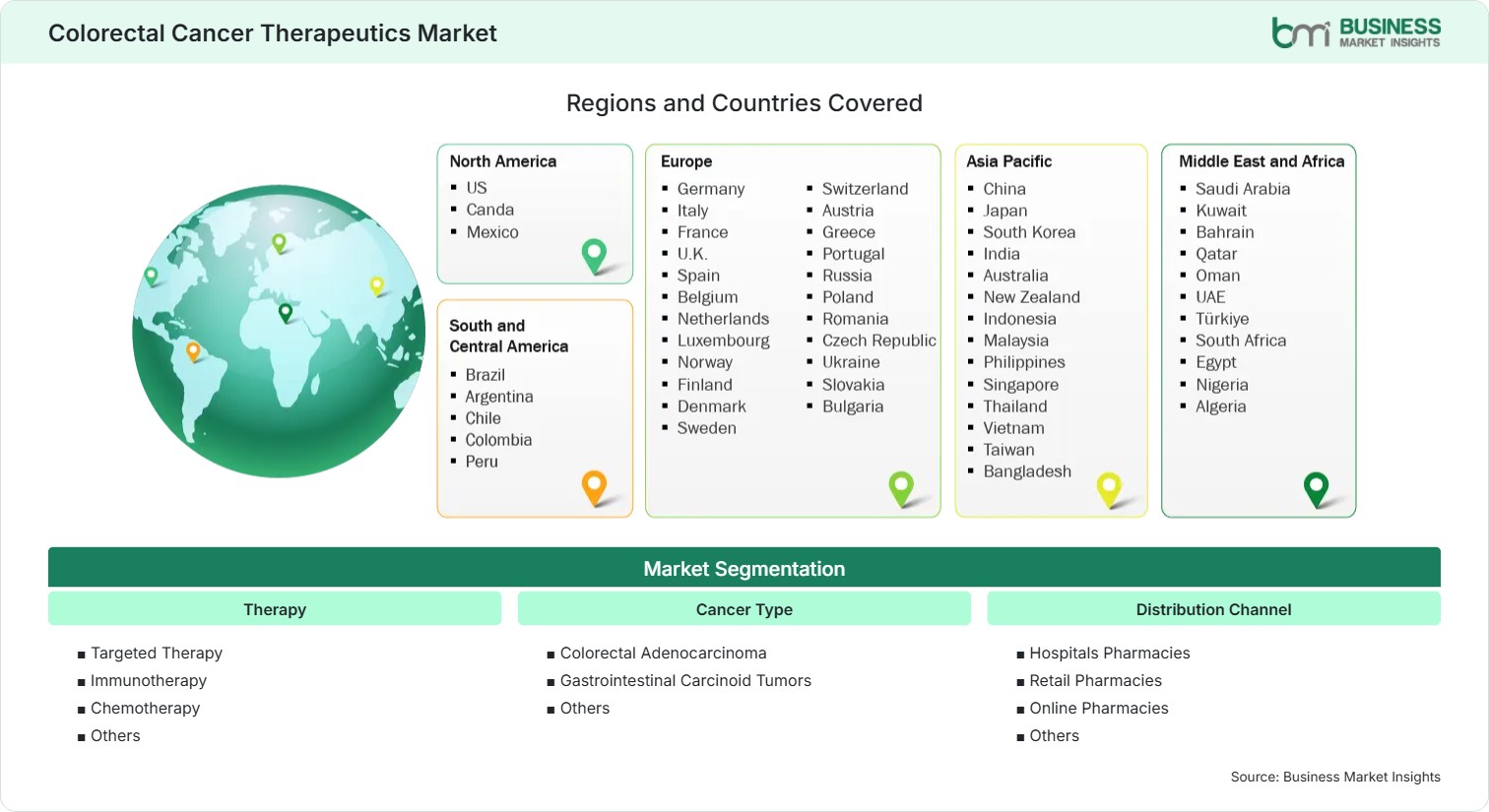
  • Therapy: Targeted Therapy, Immunotherapy, Chemotherapy, Others
  • Cancer Type: Colorectal Adenocarcinoma, Gastrointestinal Carcinoid Tumors, Others
  • Distribution Channel: Hospitals Pharmacies, Retail Pharmacies, Online Pharmacies, Others
US$ 15.56 Bn Market size in 2025
US$ 25.93 Bn Market Size by 2033
6.59% CAGR, 2026 - 2033
2026-2033 Forecast Period

AI Overview

Colorectal Cancer Therapeutics Market Summary

  • North America Region: North America holds a market share of 38%–41% in 2025, growing at a CAGR of 5.8%–6.3% during 2026–2033, supported by advanced oncology infrastructure, strong reimbursement, widespread molecular diagnostics, increasing biologics adoption, robust clinical trial activity, precision medicine investments, pharmaceutical innovation, and expanded early-detection initiatives worldwide. US market benefits from extensive biomarker testing and novel therapy uptake, advancing at 5.9%–6.4% CAGR.
  • Fastest Growing Region: Asia Pacific accounts for 24%–27% share in 2025 and is projected to expand at 7.8%–8.5% CAGR during 2026–2033, driven by healthcare modernization, increasing cancer burden, broader access initiatives, rising oncology investments, expanding specialist networks, and growing availability of targeted therapies.
  • Leading Segment: Immunotherapy represents 32%–35% market share in 2025 and advances at 7.0%–7.6% CAGR through 2033, supported by durable clinical outcomes, expanding indications, biomarker-driven patient selection, stronger physician confidence, favorable reimbursement trends, combination regimens, ongoing research activity, and treatment personalization.
  • High Growth Segment: Targeted Therapy captures 28%–31% share in 2025 and records 8.0%–8.8% CAGR during 2026–2033, fueled by increasing genomic profiling, KRAS-focused innovations, HER2-targeted advances, improved patient stratification, greater precision-treatment adoption, pipeline expansion, clinical differentiation, and enhanced therapeutic efficacy.
  • Key Market Opportunity: Expansion of next-generation targeted therapies and companion diagnostics creates opportunities for personalized treatment pathways, improved response rates, broader patient identification, accelerated clinical adoption, stronger outcomes, and sustained commercial value.
  • Major Market Players: F. Hoffmann-La Roche Ltd., Merck & Co., Inc., Bristol-Myers Squibb Company, Amgen Inc., Pfizer Inc., Eli Lilly and Company, Bayer AG, Sanofi S.A., Novartis AG, AstraZeneca PLC.
Strategic Insights

Colorectal Cancer Therapeutics Market: Strategic Insights

Colorectal Cancer Therapeutics Market Strategic Framework
FREE PDF
Request your free sample
Request free sample
Stakeholder View

Key Takeaways

  • The therapeutic ecosystem is increasingly centered on molecular diagnostics, companion testing services, biologic manufacturers, specialty distributors, and oncology care providers, creating a highly integrated value chain.
  • The various types of targeted therapy related to the KRAS, BRAF, HER2, and EGFR pathways have great potential as greater patient stratification is achieved and the use of precise treatments speeds up.
  • More and more innovation initiatives are focusing on combination immunotherapy, antibody-drug conjugates, bispecific antibodies, and next-generation targeted agents which are designed for patients with resistant metastatic disease.
  • The investment case for Asia Pacific is highly attractive because of the rising incidence of disease, growing healthcare spending, improvements in reimbursement systems, and greater access to advanced cancer treatments.
  • Pharmaceutical companies are still seeking out licensing agreements, clinical-development partnerships, and strategic acquisitions in order to enhance their oncology pipelines and extend their geographic reach.
  • Generating real-world evidence and the use of digital oncology platforms are becoming important factors for showing long-term value and aiding reimbursement negotiations.
Geographic Outlook

Colorectal Cancer Therapeutics Market Regional Highlights

North America Colorectal Cancer Therapeutics Market

North America accounts for approximately 38%–41% of global revenue in 2025 and is expected to expand at a 5.8%–6.3% CAGR through 2033. The region benefits from strong clinical research capabilities, favorable reimbursement systems, and widespread adoption of precision oncology. The Colorectal Cancer Therapeutics Market share remains highest in this region because of early diagnosis rates, advanced treatment access, and continuous product innovation across major healthcare systems.

  • Broad reimbursement coverage helps accelerate the adoption of premium biologics and new oncology treatments in major treatment centers.
  • The greater the level of molecular testing is made available, the more likely it is that biomarker-guided therapies and individualized treatment programs will be adopted.
  • The faster clinical trials are conducted, the sooner breakthrough therapies and combination treatments will be commercialized.
  • The rising number of cases among younger age groups is leading to expanded screening and increased therapeutic interventions.

US Colorectal Cancer Therapeutics Market

The United States represents nearly 78%–82% of North American Colorectal Cancer Therapeutics Market revenue and is projected to grow at 5.9%–6.4% CAGR during 2026–2033. Demand is supported by extensive oncology networks, rapid integration of companion diagnostics, and strong pharmaceutical innovation. Biomarker-driven treatment selection continues to improve therapeutic precision.

  • Networks of cancer centers improve patients' access to advanced biologics and to new combinations of treatments.
  • The high level of investment in oncology R&D helps enable the commercialization of new therapies aimed at difficult-to-treat groups.
  • Even with the high costs of premium therapies, advanced reimbursement systems increase treatment availability.
  • The growing emphasis on early-onset colorectal cancer is leading to increased awareness, more screening, and a greater number of interventions.

Europe Colorectal Cancer Therapeutics Market

Europe captures approximately 28%–31% Colorectal Cancer Therapeutics Market share in 2025 and is forecast to grow at a 5.5%–6.1% CAGR through 2033. Regional expansion is supported by public healthcare systems, structured screening initiatives, and growing deployment of precision medicine. Germany remains the leading market, while Spain demonstrates one of the strongest growth trajectories.

  • Germany is leading the region in revenue generation due to its extensive oncology infrastructure and strong access to biologics.
  • Spain is one of the fastest-growing national markets, thanks to improved access to screening and treatment.
  • Initiatives for clinical research that span multiple countries speed up the evaluation of innovative therapeutic methods.
  • The increasing acceptance of personalized medicine is leading to greater demand for molecularly targeted therapies.
  • Sustainable healthcare funding models will lead to the long-term use of high-value treatments.

Asia Pacific Colorectal Cancer Therapeutics Market

Asia Pacific holds 24%–27% Colorectal Cancer Therapeutics Market share in 2025 and records the highest growth rate of 7.8%–8.5% CAGR through 2033. Rising cancer prevalence, healthcare modernization, and improving access to specialty medicines are driving expansion. China remains the largest regional contributor, while India demonstrates the fastest growth profile.

  • China is leading the way in revenue generation due to its large patient population and greater access to innovative treatments.
  • India has strong growth potential because its oncology capabilities are expanding, and healthcare investment is increasing.
  • Regional biopharmaceutical innovation makes the market for treatments more competitive.
  • Government-led screening initiatives lead to higher diagnosis rates and more treatment opportunities.
  • The larger the private healthcare networks become, the more advanced oncology products become available.

Rest of World Colorectal Cancer Therapeutics Market

The Rest of World region accounts for approximately 8%–10% Colorectal Cancer Therapeutics Market share in 2025 and is projected to advance at 6.4%–7.0% CAGR through 2033. South and Central America benefit from improving cancer awareness, while the Middle East and Africa markets gain from healthcare infrastructure investments.

  • Brazil is in the lead in the region due to the improvement of its oncology services and the greater availability of treatments.
  • Saudi Arabia benefits from its healthcare modernization projects and rising investment in specialty care.
  • More partnerships between public and private groups are improving how we diagnose and treat cancer.
  • Access to programs for innovative medicines increases the extent to which therapy reaches disadvantaged populations.
  • The increase in medical tourism leads to higher demand in certain countries for oncology treatments.
Global Market Geography
FREE PDF
Request your free sample
Request free sample
Segment Analysis

Colorectal Cancer Therapeutics Market Segmentation

Therapy

This segment represents the largest revenue contributor, accounting for approximately 100% of therapeutic activity across treatment categories. Immunotherapy currently leads adoption while targeted therapy records the highest growth outlook. The Colorectal Cancer Therapeutics Market scope continues widening as biomarker-guided interventions enable personalized treatment strategies.

  • Targeted Therapy: Expanding genomic profiling supports the adoption of therapies directed at KRAS, HER2, EGFR, and BRAF alterations, improving treatment precision and enhancing outcomes among appropriately selected patient populations.
  • Immunotherapy: Checkpoint inhibitors continue gaining prominence for eligible patients due to durable responses, strengthened clinical evidence, favorable physician acceptance, and increasing incorporation into treatment guidelines.
  • Chemotherapy: Despite the growth of biologics, chemotherapy remains a foundational treatment component, particularly in combination regimens and settings requiring broad therapeutic activity.

Cancer Type

Cancer type segmentation highlights disease-specific treatment demand patterns. Colorectal adenocarcinoma dominates market revenue with a Colorectal Cancer Therapeutics Market share of approximately 70%–74% in 2025 and expands at 6.3%–6.9% CAGR. Increasing diagnostic precision supports tailored therapeutic approaches.

  • Colorectal Adenocarcinoma: Represents the primary disease category treated with chemotherapy, immunotherapy, and targeted therapies, driving most commercial activity and clinical-development investment.
  • Gastrointestinal Carcinoid Tumors: Specialized treatment requirements and growing diagnostic capabilities support demand for individualized therapeutic management and multidisciplinary care approaches.

Distribution Channel

Distribution channel dynamics are shaped by treatment complexity, reimbursement procedures, and specialty-care requirements. Hospital pharmacies account for approximately 44%–48% share in 2025 and grow at 6.1%–6.6% CAGR. Expanding specialty distribution networks improve access to innovative therapies. The Colorectal Cancer Therapeutics Market trends increasingly favor integrated care delivery models capable of supporting advanced biologic administration and patient monitoring.

  • Hospitals Pharmacies: Dominant distribution channel due to administration requirements, oncology specialist involvement, and handling needs associated with complex therapeutic regimens.
  • Retail Pharmacies: Growing availability of oral targeted therapies supports increased participation of retail pharmacy networks in treatment distribution.
  • Online Pharmacies: Digital dispensing channels are gradually expanding access, particularly for follow-on medications and supportive oncology care products.
Market Forces

Colorectal Cancer Therapeutics Market Dynamics

Key Market Drivers

Growing Global Burden of Colorectal Cancer

The increasing rate of cases is a major factor driving the need for treatments in the field of oncology. International agencies that monitor cancer indicate that colorectal cancer still ranks as one of the most commonly diagnosed types of cancer around the world. The growing elderly population, combined with sedentary lifestyles, changes in diet, the rising prevalence of obesity and higher levels of alcohol consumption, is leading to a larger number of patients who need treatment. As a result of earlier diagnoses through screening schemes, more cases are being identified, which in turn increases demand for both initial and later-line therapies.

Expansion of Precision Oncology and Biomarker Testing

Routine molecular profiling is changing how treatments are selected by detecting actionable mutations and various biomarkers. As KRAS, BRAF, HER2, MSI-H, and mismatch-repair tests become more widely used, doctors are able to match therapies to the particular features of each tumor. Using precise treatment methods leads to higher response rates and reduces patients' exposure to therapies that are not appropriate for them. Pharmaceutical companies are now more and more often combining new drugs with companion diagnostics in order to improve their clinical value propositions. This level of personalised treatment is promoting greater use of targeted medicines and helping to achieve better patient outcomes.

Advancing Immunotherapy Clinical Outcomes

Immunotherapy continues to reshape treatment standards in selected patient groups. Durable responses observed among eligible patients have strengthened physician confidence and encouraged inclusion within treatment pathways. The Colorectal Cancer Therapeutics Market growth increasingly reflects expanding use of checkpoint inhibitors, particularly where biomarker-directed patient selection improves predictability of outcomes. Ongoing trials exploring combination regimens with chemotherapy and targeted agents are generating new evidence supporting broader utilization. Pharmaceutical companies are investing heavily in next-generation immunotherapies to address resistance mechanisms and extend treatment benefits. These developments create meaningful momentum for sustained therapeutic adoption throughout the forecast period.

Key Market Opportunities

Development of Next-Generation KRAS-Targeted Therapies

KRAS mutations occur in a large number of patients with colorectal cancer, leading to a strong need for more effective precision therapies. Because of recent scientific advances, KRAS has been confirmed as a target that can be treated with drugs, which in turn has encouraged investment in development programmes among pharmaceutical companies all over the world. New drugs being developed to target several KRAS variants could greatly increase the number of patients who can be treated. There is also commercial potential to be gained from combination approaches designed to overcome resistance. The growing availability of advanced companion diagnostics helps to ensure accurate identification of patients and the right choice of treatment.

Expansion Across Emerging Healthcare Markets

Emerging economies are investing in oncology infrastructure, specialist training, and reimbursement modernization. Rising healthcare expenditure and greater availability of cancer diagnostics improve access to advanced treatments. Urbanization and improving disease awareness are increasing diagnosis rates across large populations. Market participants establishing local partnerships, manufacturing capabilities, and distribution networks can improve competitive positioning. Long-term Colorectal Cancer Therapeutics Market Forecasts indicate strong growth potential where healthcare access continues improving. Expanded screening programs and government-supported cancer-control initiatives further strengthen opportunities for therapeutic adoption throughout developing regions over the coming decade.

Growth of Combination-Therapy Strategies

Regimens that combine immunotherapies, targeted therapies, and standard chemotherapy drugs offer the potential to improve treatment effectiveness while addressing resistance. Growing clinical evidence suggests that multi-mechanism approaches can improve progression-free survival. Pharmaceutical companies may extend the commercial life cycles and clinical usefulness of their current products by creating new combinations. A better understanding of tumor biology enables more logical planning of the sequence of treatments and the design of combination therapies. Since healthcare providers are combining treatment therapeutic benefits for patients with advanced investment in development, treatment strategies are likely to receive a great deal of development investment and commercial attention.

Market Restraints and Challenges

High Cost of Innovative Therapies

Factor: Advanced biologics, immunotherapies, and targeted medicines often carry premium pricing due to complex development processes and specialized manufacturing requirements. Impact: Healthcare systems and payers face budgetary pressure, which may limit access to treatment in cost-sensitive environments. Reimbursement negotiations may delay adoption and create regional disparities in patient access. Hospitals must balance therapeutic value with affordability considerations, especially where public healthcare resources are constrained. Although clinical benefits remain compelling, economic barriers continue influencing prescribing patterns. The challenge is particularly pronounced in developing markets where healthcare coverage for high-cost oncology products remains limited.

Therapeutic Resistance and Variable Response Rates

Factor: Tumor heterogeneity and evolving molecular resistance mechanisms can reduce the long-term effectiveness of certain treatments. Impact: Patients may require multiple therapy transitions, increasing clinical complexity and treatment costs. Resistance can limit the duration of response and create uncertainty regarding optimal sequencing strategies. Pharmaceutical companies must invest extensively in research to address evolving resistance pathways and improve the durability of benefit. Healthcare providers face challenges in identifying which patients will gain maximum therapeutic value. These clinical hurdles continue influencing development priorities and long-term commercial outcomes across the oncology landscape.

Company Analysis

Competitive Landscape

The Colorectal Cancer Therapeutics Market analysis reflects intense competition among multinational pharmaceutical companies focused on biologics, immunotherapies, and precision oncology solutions.

Company Name

Overview

Products and Services relevant to this market

F. Hoffmann-La Roche Ltd.

Global oncology leader with extensive biologics portfolio and strong precision medicine capabilities.

Bevacizumab, companion diagnostics, oncology research platforms, targeted cancer therapies.

Merck & Co., Inc.

Major immuno-oncology innovator with strong global cancer treatment presence.

Pembrolizumab-based therapies, clinical development programs, biomarker-driven oncology solutions.

Bristol-Myers Squibb Company

Leading biopharmaceutical company focused on immunotherapy and precision treatments.

Nivolumab, oncology combinations, clinical research and patient-support services.

Amgen Inc.

Biotechnology company with targeted oncology expertise and global reach.

KRAS-targeted therapies, biologics, oncology pipeline development programs.

Pfizer Inc.

Diversified pharmaceutical company investing significantly in oncology innovation.

Targeted therapies, oncology combinations, cancer-supportive treatment solutions.

Eli Lilly and Company

Global healthcare company expanding precision-oncology capabilities.

Oncology research programs, targeted therapeutic development, clinical trial initiatives.

Bayer AG

Worldwide pharmaceutical group with established oncology portfolio.

Regorafenib and additional cancer-treatment solutions supporting advanced disease management.

Sanofi S.A.

International biopharmaceutical company advancing specialized cancer therapies.

Oncology research services, biologics development, therapeutic innovation programs.

Novartis AG

Major pharmaceutical innovator with strong oncology commercialization capabilities.

Precision oncology medicines, targeted therapies, companion diagnostic collaborations.

AstraZeneca PLC

Global life sciences company focused on next-generation oncology platforms.

Targeted medicines, antibody-based therapies, advanced clinical research programs.

Trust & Transparency

Research Methodology

The market analysis combines proprietary research with secondary data from government agencies, company disclosures, regulatory filings, industry databases and expert interviews. Market estimates are validated through data triangulation, cross-market benchmarking and analyst review.

View Full Research Methodology

Questions Answered

Frequently Asked Questions

Why is Asia Pacific attracting increased investment interest?

The region combines large patient populations, improving healthcare infrastructure, expanding reimbursement systems, and rising access to innovative medicines, creating a strong growth environment.

What does a Colorectal Cancer Therapeutics Market Report typically analyze?

A comprehensive report evaluates market size, competition, technology developments, regulatory trends, segment performance, regional opportunities, pipeline activity, and long-term growth prospects.

How do companion diagnostics influence treatment outcomes?

Companion diagnostics help identify actionable biomarkers, allowing physicians to match patients with suitable therapies, improve response rates, and enhance overall treatment efficiency.

Which therapy category is expected to produce the highest growth?

Targeted therapies are projected to achieve the strongest growth because expanding genomic profiling enables precise treatment selection and supports development of highly differentiated products.

What factors are driving future demand for colorectal cancer therapeutics?

Increasing cancer incidence, broader screening programs, precision medicine adoption, biomarker testing expansion, and continuous innovation in immunotherapy and targeted therapies are supporting long-term market demand.

Access the Full Colorectal Cancer Therapeutics Market Report

Get segment-level forecasts, regional estimates, competitive benchmarking, company profiles and downloadable Excel datasets.

Access the full Colorectal Cancer Therapeutics Market Report
350 pages PDF & Excel | 2026-09-23
Similar Research

Related Market Reports