Surging Burden of Cardiovascular Diseases
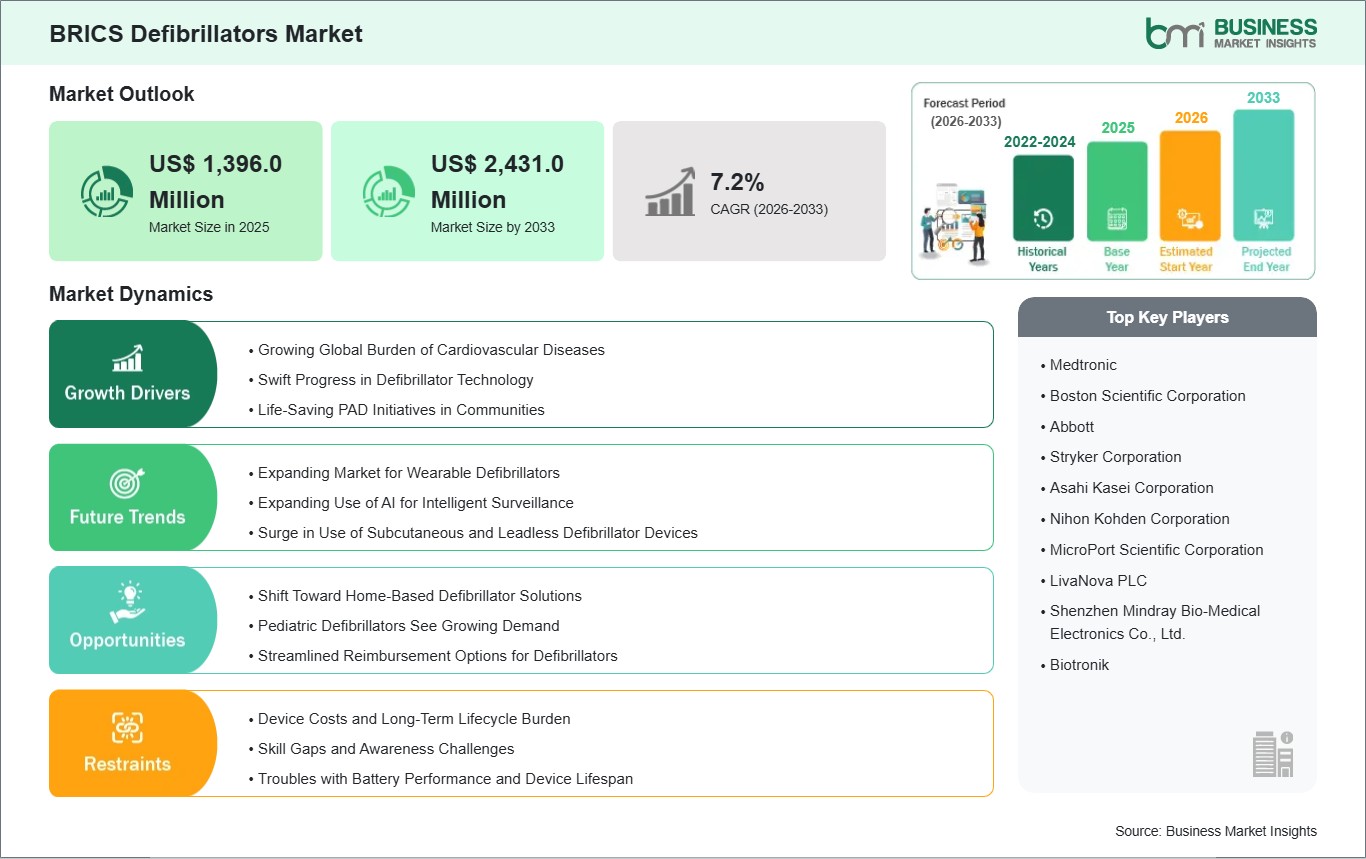
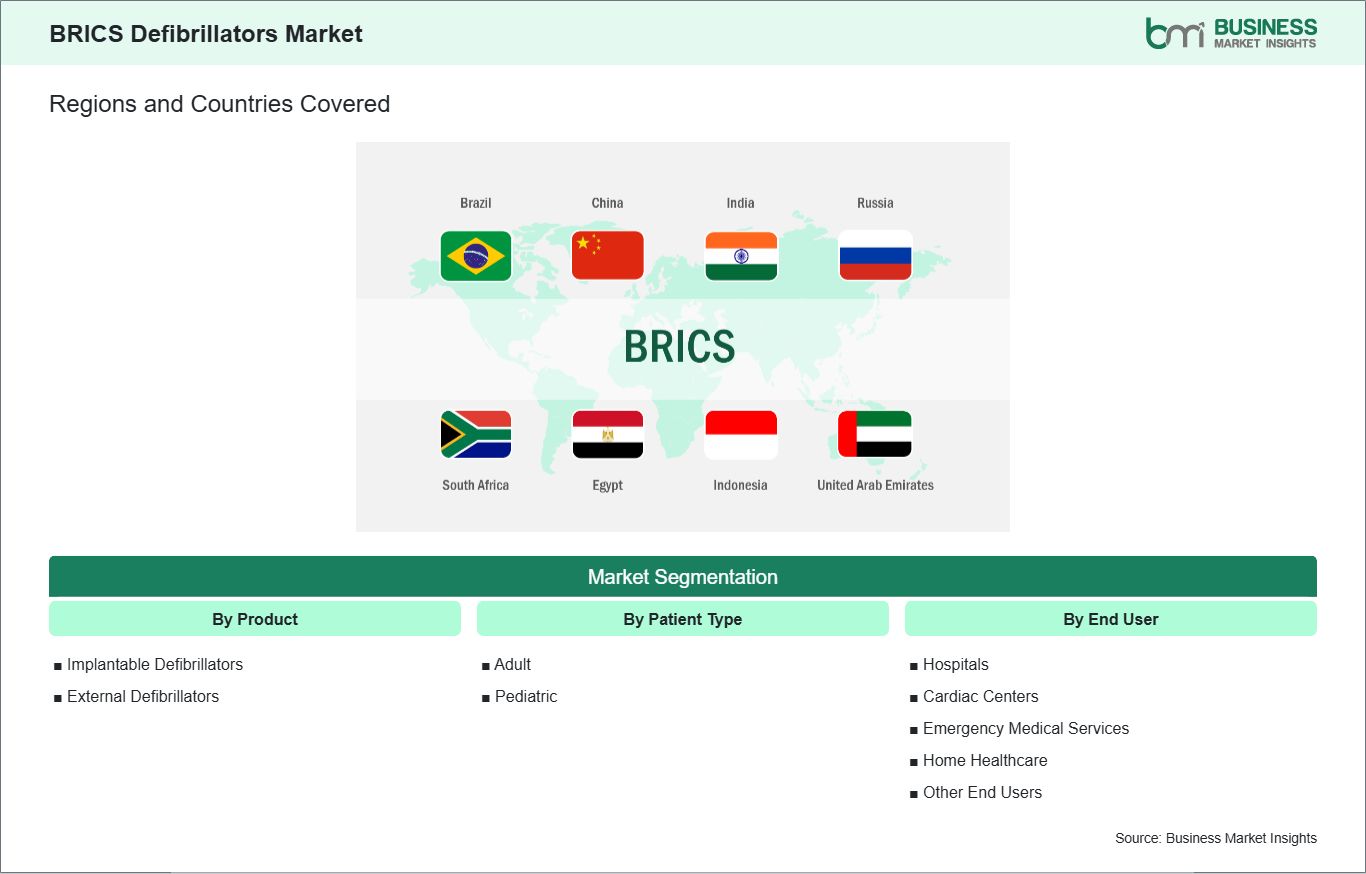
The BRICS countries are experiencing a rise in cardiovascular diseases, driven by lifestyle changes, urbanization, and aging populations. In Brazil and Russia, shifting diets and increasing sedentary behavior have contributed to higher rates of heart disease and arrhythmias. Rapid economic growth and urban living in India and China have led to increased stress, dietary changes, and other lifestyle factors that elevate cardiac risk. South Africa faces the added complexity of balancing noncommunicable and communicable disease burdens, which puts strain on cardiac care infrastructure.
Hospitals and emergency services are prioritizing the integration of defibrillators into their cardiac care protocols. Urban hospitals in cities such as São Paulo, Moscow, Beijing, and Mumbai are investing in advanced cardiac units and training programs focused on resuscitation and arrhythmia management. AEDs and ICDs are becoming standard tools in intensive care and emergency response, highlighting the critical role of timely defibrillation.
Despite growing attention to cardiovascular care, access to defibrillators remains uneven across the region. Rural and smaller towns often have limited availability of life-saving devices, and emergency response times can be slow in less urbanized areas. Governments and healthcare providers are responding with initiatives to expand training, increase equipment availability, and develop public awareness programs that emphasize rapid response to cardiac emergencies.
Shift Toward Home-Based Defibrillator Solutions
The demand for home-based defibrillators is rising across BRICS countries. Urban households with a history of cardiac conditions or higher awareness of health risks are interested in portable AEDs for personal use. In Brazil and South Africa, this trend is reflected in greater public engagement with heart health campaigns and emergency preparedness programs. In India and China, home-based solutions are being promoted as part of wellness and preventive healthcare strategies.
The growth of telemedicine and home healthcare services is accelerating this trend. Medical professionals are advising patients on using user-friendly defibrillators at home and integrating basic CPR training for family members. This approach is valuable in regions where emergency medical response times may be long or unpredictable due to geographic spread or urban congestion. By combining technology with patient education, home-based defibrillators provide a first line of defense against sudden cardiac arrest.
Cost, awareness, and maintenance requirements can be barriers for many households, particularly outside major urban centers. Nevertheless, initiatives by healthcare providers, NGOs, and government programs to promote device accessibility, training, and awareness indicate that home-based defibrillators will play an important role in cardiac care across the region in the coming years.