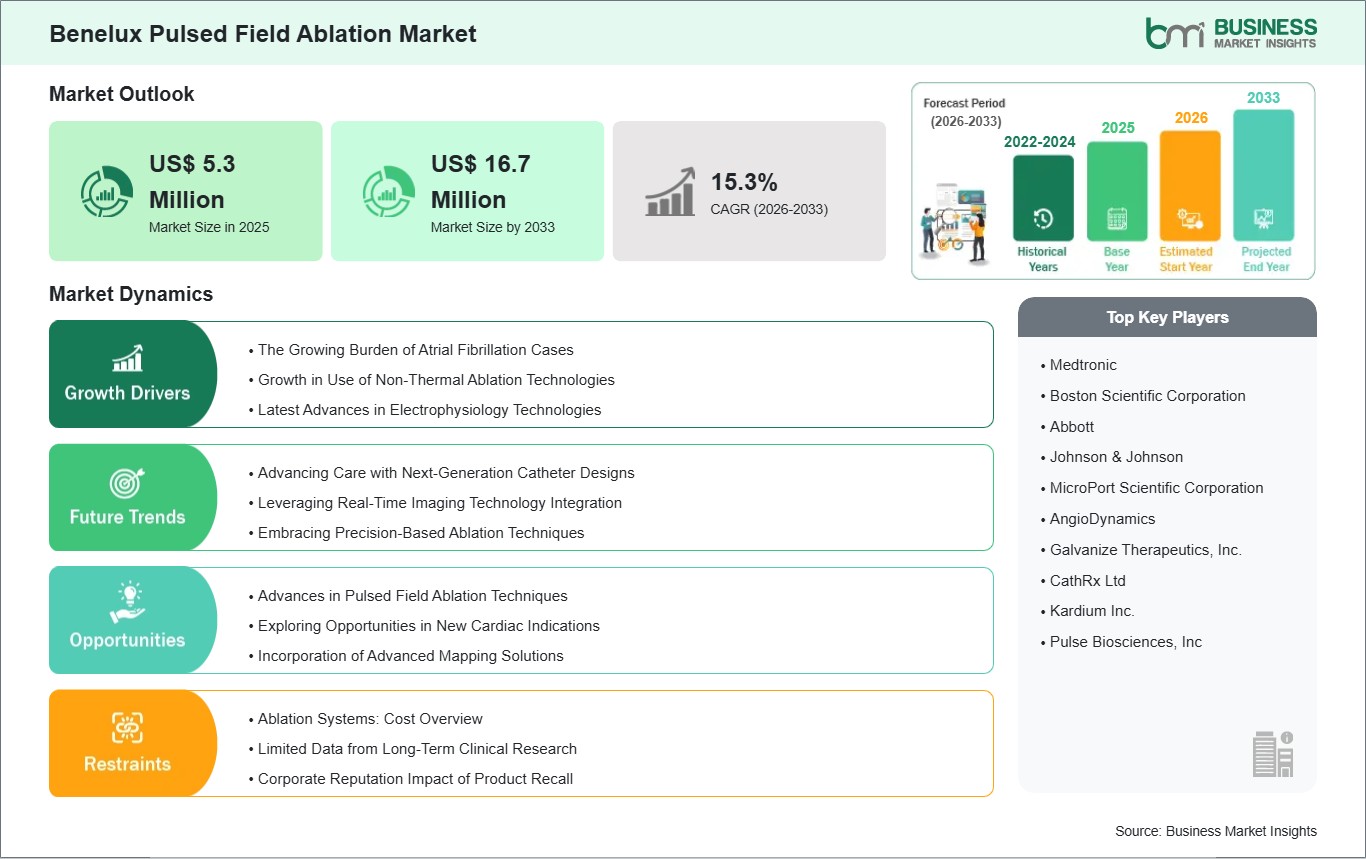
The Growing Burden of Atrial Fibrillation Cases
Atrial fibrillation (AF) is a growing problem for health facilities in the Benelux countries due to the aging population and various lifestyle changes that have increased the number of people with atrial arrhythmias. The process of urbanization, lack of physical activity, and changes in diets have been increasing the risk of cardiovascular disease, leading to a larger number of people with AF being admitted to health facilities. Health professionals are focusing on early diagnosis and treatment of AF to avoid complications like stroke and heart failure.
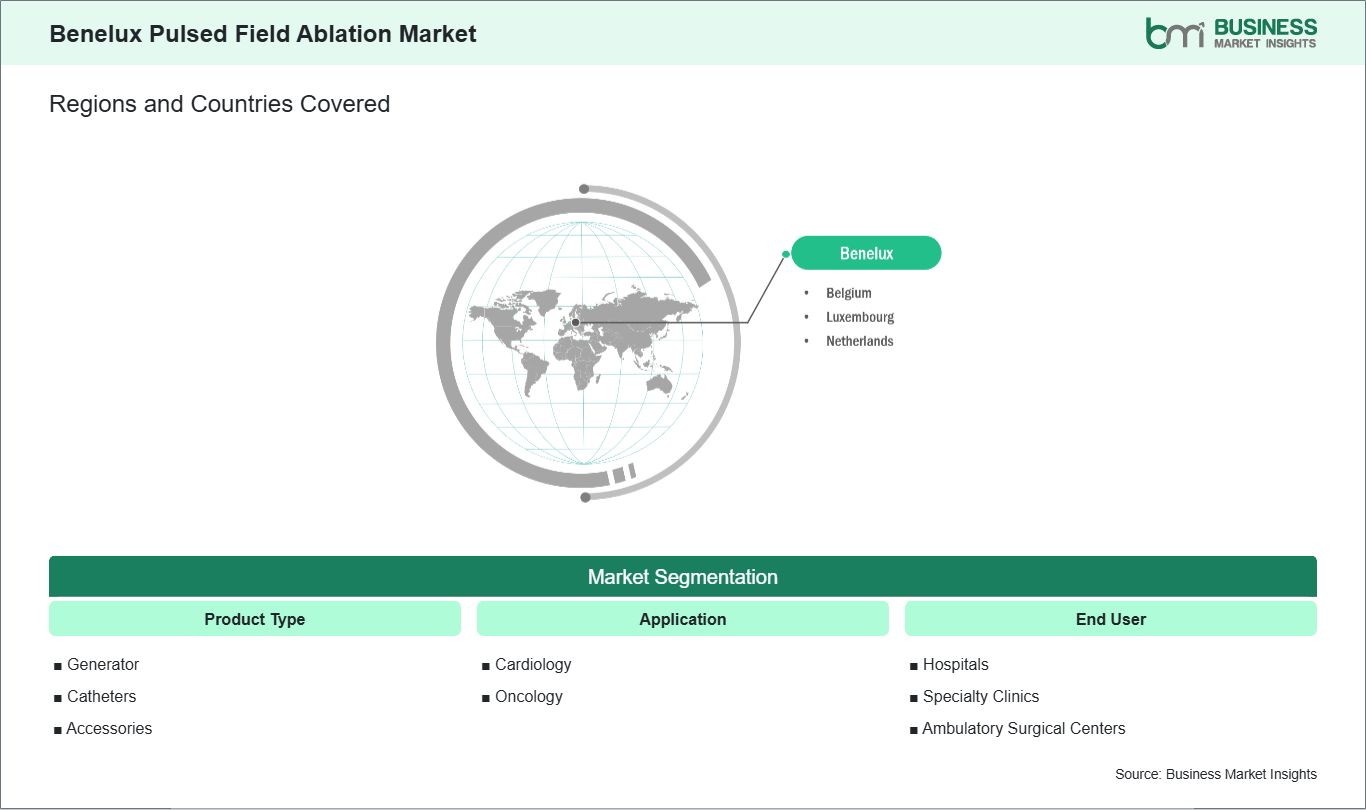
The healthcare systems of Belgium, the Netherlands, and Luxembourg are investing in electrophysiology and cardiology in order to effectively accommodate their growing number of patients. Healthcare professionals are focusing on minimally invasive treatments that provide precise results. Using these techniques alongside current hospital protocols will enable healthcare institutions to manage their growing workload.
The growing prevalence of AF presents opportunities for advanced therapies such as pulsed field ablation (PFA). PFA’s tissue-selective approach reduces collateral damage and procedural risks while improving procedural efficiency. Its adoption allows hospitals to deliver faster, safer, and more effective arrhythmia care, enhancing overall cardiac service capabilities. By addressing both clinical and operational priorities, PFA is positioned to play a key role in managing AF across the Benelux region.
Advances in Pulsed Field Ablation Techniques
Pulsed field ablation (PFA) is transforming arrhythmia management in the Benelux region, offering clinicians a precise, safe, and efficient alternative to traditional thermal ablation. PFA selectively targets cardiac tissue using high-voltage electrical pulses while sparing surrounding structures, reducing procedural complications and supporting quicker patient recovery. Recent improvements in catheter design, energy delivery, and integration with advanced mapping systems have increased procedural accuracy, reproducibility, and clinician confidence, allowing complex procedures to be performed with precision.
Healthcare providers in the Benelux region are supporting the adoption of PFA through investments in infrastructure, standardized protocols, and clinician training. Structured programs ensure that cardiology teams can operate the systems effectively, minimizing the learning curve while maintaining high-quality patient care. Operational guidance and workflow integration also help hospitals manage increasing volumes of AF patients efficiently.
Future trends indicate that advancements in the technology behind PFA will continue improving the quality of arrhythmia treatments in Belgium, the Netherlands, and Luxembourg. The improved device usability, coupled with mapping and streamlining of the workflow, helps in attaining predictable results and more efficient processes. PFA adoption leads to improved treatment outcomes, operational excellence, and enhanced safety for patients, making it an essential tool in treating atrial fibrillation.