Analysis By Material (Paper and Paperboard, Plastic, Metal, and Others); Application (Posters, PoP Displays, Backlit Displays, Billboards' Banners, Flags and Backdrops, Vehicle/Fleet Graphics, and Others); and End-Use Industry (BFSI, Retail, Transportation and Logistics, Healthcare, Sports and Entertainment, and Others)
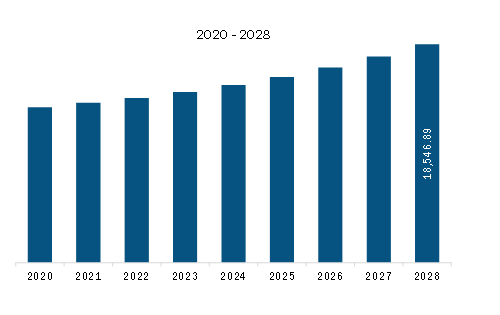
The Asia Pacific printed signage materials market is expected to grow from US$ 13,998.87 million in 2022 to US$ 18,546.89 million by 2028. It is estimated to grow at a CAGR of 4.8% from 2022 to 2028.
Rising Focus on Using Eco-Friendly Printed Signage will be Drive Asia Pacific Printed Signage Materials Market
The use of printed signage materials has increased in recent years due to rising competitive advertisement strategies. While manufacturing plastic signage, manufacturers use harmful chemicals and toxic glues that can be absorbed directly into soil and water when discarded and harm the environment. Recyclable printed signage offers more sustainable production and reproduction processes than nonrecyclable printed signage. Materials such as aluminum and plastic can be recycled to reduce environmental damage. Various manufacturers of printed signage materials are coming forward with innovative products to reduce environmental pollution. Fire-rated B1 material is ideal for information signage used in high-traffic areas such as retail spaces, airports, car showrooms, and museums where the point of sale is required. Therefore, the demand for eco-friendly printed signage is increasing with rising concerns about environmental pollution. Thus, the growing focus on using eco-friendly signage is expected to propel the growth of the Asia Pacific printed signage materials market during the forecast period.
Asia Pacific Printed Signage Materials Market Overview
In Asia Pacific, local and regional industries highly rely on printed signboards for advertising and marketing their brands. Key industries that require signage in considerable numbers to promote their offerings include entertainment, manufacturing, logistics, and retail. In addition, lower maintenance costs of signage and high efficiency associated with this marketing method, along with rapid urbanization in developing countries such as India and China, accelerate the growth of the Asia Pacific printed signage materials market in the region. The use of printed signage within premises would further help companies or businesses to gain more profits from their operations by promoting their brands. This helps them increase consumer awareness about new product launches, resulting in increased revenue and profit generation due to high viewership. Furthermore, various companies in the Asia Pacific printed signage materials market in Asia Pacific are launching new products to provide customers with broader selection options with advanced and sophisticated designs. This strategy helps new entrants create significant market opportunities for themselves. For instance, in April 2021, Colorje launched the SoniQ I signage printer to expand its signage printer lineup. The SoniQ I is a low-investment, high-value product that offers flexible printing at high speeds, allowing PSPs to maximize their business potential. It provides quality prints at a speed of 1,232 sq ft/hr. SoniQ I is ideal for, both, indoor and outdoor applications. The printer is designed, developed, and manufactured in India to meet global standards and certifications.
Asia Pacific Printed Signage Materials Market Revenue and Forecast to 2028 (US$ Million)
Asia Pacific Printed Signage Materials Market Segmentation
Based on material, the Asia Pacific printed signage materials market is segmented into paper and paperboard, plastic, metal, and others. In 2022, the plastic segment registered a largest share in the Asia Pacific printed signage materials market.
Based on application, the Asia Pacific printed signage materials market is segmented into posters, pop displays, backlit displays, billboards' banners, flags and backdrops, vehicle/fleet graphics, and others. In 2022, the posters segment registered a largest share in the Asia Pacific printed signage materials market.
Based on end-use industry, the Asia Pacific printed signage materials market is segmented into BFSI, retail, transportation and logistics, healthcare, sports and entertainment, and others. In 2022, the retail segment registered a largest share in the Asia Pacific printed signage materials market.
Based on country, the Asia Pacific printed signage materials market is segmented into Australia, China, India, Japan, South Korea, and the Rest of Asia Pacific. In 2022, China segment registered a largest share in the Asia Pacific printed signage materials market.
3A Composites GmbH; Avery Dennison Corp; IGEPA group GmbH & Co KG; Lintec Europe (UK) Ltd; ORAFOL Europe GmbH; Spandex AG; and Thyssenkrupp Materials Services GmbH are the leading companies operating in the Asia Pacific printed signage materials market.
Asia Pacific Printed Signage Materials Market Strategic Insights
Get more information on this report
Asia Pacific Printed Signage Materials Market Segmentation Analysis
Asia Pacific Printed Signage Materials Market Report Highlights
Asia Pacific Printed Signage Materials Report Scope
Report Attribute
Details
Market size in 2022
US$ 13,998.87 Million
Market Size by 2028
US$ 18,546.89 Million
CAGR (2022 - 2028)
4.8%
Historical Data
2020-2021
Forecast period
2023-2028
Segments Covered
By Material
Paper and Paperboard
Plastic
Metal
By Application
Posters
PoP Displays
Backlit Displays
Billboards' Banners
Flags and Backdrops
Vehicle/Fleet Graphics
By End-Use Industry
BFSI
Retail
Transportation and Logistics
Healthcare
Sports and Entertainment
Regions and Countries Covered
Asia-Pacific
China, India, Japan, Australia, Rest of Asia-Pacific
Market leaders and key company profiles
3A Composites GmbH
Avery Dennison Corp
IGEPA group GmbH & Co KG
Lintec Europe (UK) Ltd
ORAFOL Europe GmbH
Spandex AG
Thyssenkrupp Materials Services GmbH
Get more information on this report
Asia Pacific Printed Signage Materials Market Country and Regional Insights
Get more information on this report
Identical Market Reports with other Region/Countries
The List of Companies - Asia Pacific Printed Signage Materials Market
3A Composites GmbH Avery Dennison Corp IGEPA group GmbH & Co KG Lintec Europe (UK) Ltd ORAFOL Europe GmbH Spandex AG Thyssenkrupp Materials Services GmbH
Frequently Asked Questions
How big is the Asia Pacific Printed Signage Materials Market?
The Asia Pacific Printed Signage Materials Market is valued at US$ 13,998.87 Million in 2022, it is projected to reach US$ 18,546.89 Million by 2028.
What is the CAGR for Asia Pacific Printed Signage Materials Market by (2022 - 2028)?
As per our report Asia Pacific Printed Signage Materials Market, the market size is valued at US$ 13,998.87 Million in 2022, projecting it to reach US$ 18,546.89 Million by 2028. This translates to a CAGR of approximately 4.8% during the forecast period.
What segments are covered in this report?
The Asia Pacific Printed Signage Materials Market report typically cover these key segments-
Material (Paper and Paperboard, Plastic, Metal)
Application (Posters, PoP Displays, Backlit Displays, Billboards' Banners, Flags and Backdrops, Vehicle/Fleet Graphics)
End-Use Industry (BFSI, Retail, Transportation and Logistics, Healthcare, Sports and Entertainment)
What is the historic period, base year, and forecast period taken for Asia Pacific Printed Signage Materials Market?
The historic period, base year, and forecast period can vary slightly depending on the specific market research report. However, for the Asia Pacific Printed Signage Materials Market report:
Historic Period : 2020-2021
Base Year : 2022
Forecast Period : 2023-2028
Who are the major players in Asia Pacific Printed Signage Materials Market?
The Asia Pacific Printed Signage Materials Market is populated by several key players, each contributing to its growth and innovation. Some of the major players include:
3A Composites GmbH
Avery Dennison Corp
IGEPA group GmbH & Co KG
Lintec Europe (UK) Ltd
ORAFOL Europe GmbH
Spandex AG
Thyssenkrupp Materials Services GmbH
Who should buy this report?
The Asia Pacific Printed Signage Materials Market report is valuable for diverse stakeholders, including:
Investors: Provides insights for investment decisions pertaining to market growth, companies, or industry insights. Helps assess market attractiveness and potential returns.
Industry Players: Offers competitive intelligence, market sizing, and trend analysis to inform strategic planning, product development, and sales strategies.
Suppliers and Manufacturers: Helps understand market demand for components, materials, and services related to concerned industry.
Researchers and Consultants: Provides data and analysis for academic research, consulting projects, and market studies.
Financial Institutions: Helps assess risks and opportunities associated with financing or investing in the concerned market.
Essentially, anyone involved in or considering involvement in the Asia Pacific Printed Signage Materials Market value chain can benefit from the information contained in a comprehensive market report.





 Get Free Sample For Asia Pacific Printed Signage Materials Market