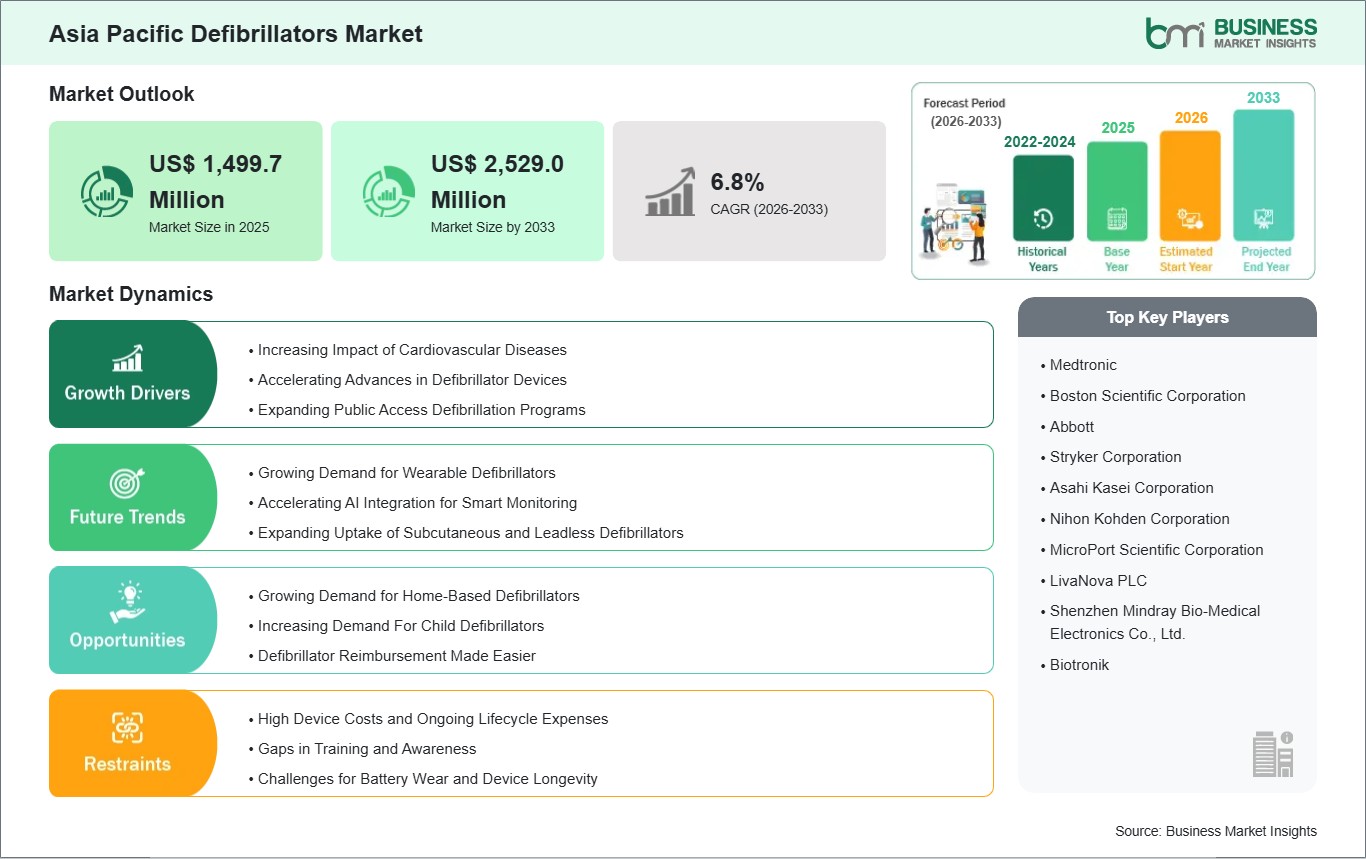
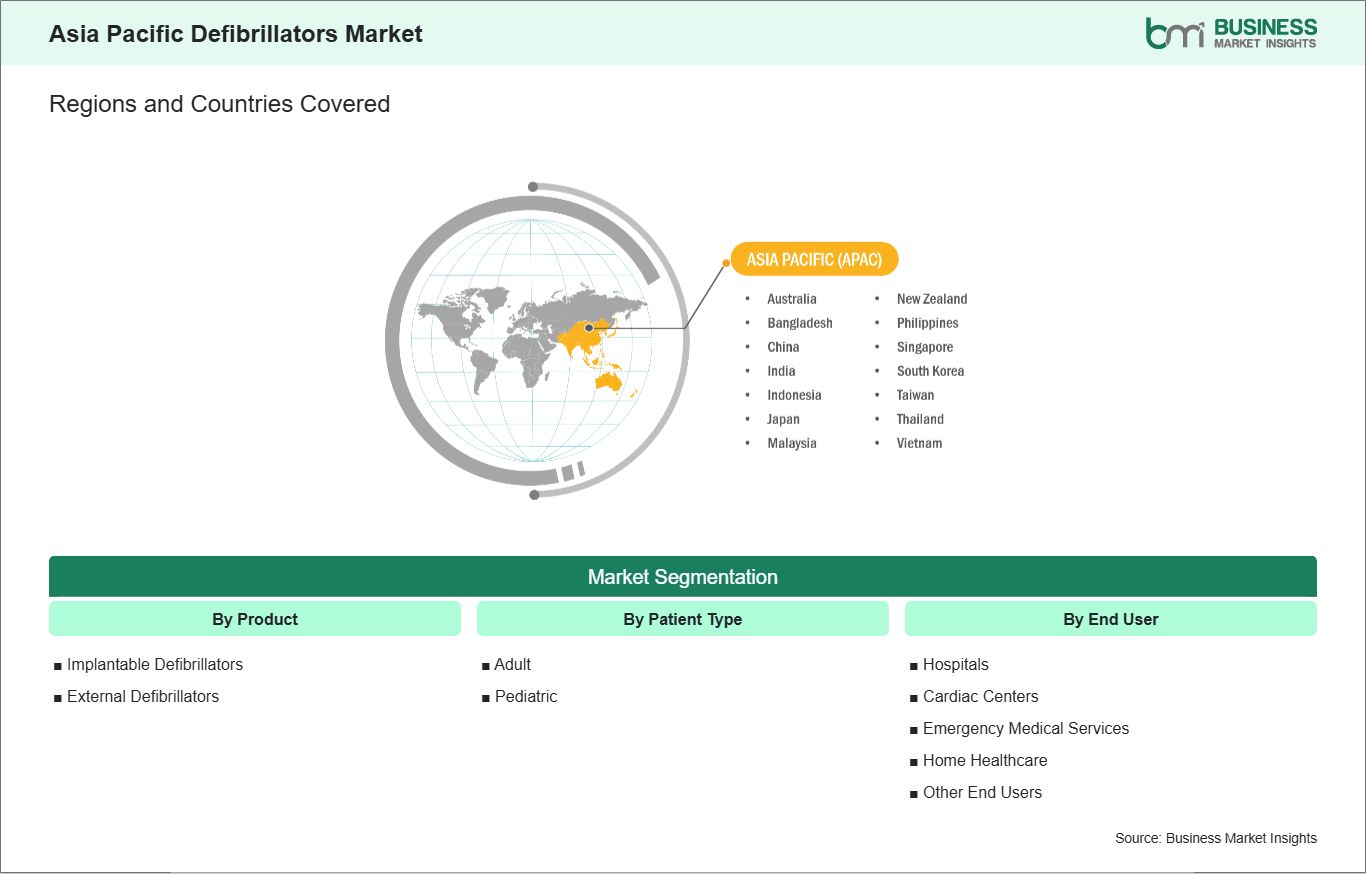
Increasing Impact of Cardiovascular Diseases
The region is experiencing a significant rise in cardiovascular diseases (CVDs) driven by rapid urbanization, aging populations, and lifestyle changes. Countries such as China, India, Japan, and South Korea are reporting increasing cases of coronary artery disease, arrhythmias, and sudden cardiac arrest. Urban centers such as Beijing, Mumbai, Tokyo, and Seoul are affected, where sedentary lifestyles, high-calorie diets, and growing rates of obesity and diabetes contribute to the escalating prevalence of heart-related conditions.
Healthcare systems are responding by expanding cardiac care facilities and upgrading emergency response infrastructure. Major hospitals in Japan and South Korea are equipping intensive care units with AEDs and ICDs, while India and China are enhancing emergency services to provide timely interventions. Training programs for healthcare professionals on advanced life support and defibrillation protocols are being implemented to improve survival rates from acute cardiac events.
Despite these initiatives, disparities remain between metropolitan and rural areas. Remote provinces in China and India, as well as smaller Pacific islands, have limited access to advanced cardiac care, leading to delayed treatment and higher mortality. Governments and NGOs are promoting community awareness programs, AED deployment in public spaces, and ambulance upgrades to bridge these gaps and provide equitable access to lifesaving cardiac interventions.
Growing Demand for Home-Based Defibrillators
The region is witnessing increasing adoption of home-based defibrillators, particularly among aging populations and high-risk cardiac patients. Countries such as Japan, South Korea, and Singapore are seeing higher household investments in portable AEDs as part of preventive cardiac care. Awareness campaigns and growing health literacy are encouraging families to treat defibrillators as essential safety devices rather than specialized medical equipment.
The rise of telemedicine and home healthcare services is fueling this trend. Healthcare providers are recommending portable AEDs for home use and combining them with CPR training for family members to improve out-of-hospital cardiac survival rates. In densely populated cities such as Manila, Jakarta, and Bangkok, where traffic congestion can delay ambulance response, immediate access to a home defibrillator is seen as an advantage for patient safety and confidence.
However, adoption is uneven due to affordability and infrastructure challenges in lower-income countries. While Japan, South Korea, and Singapore have higher adoption rates, cost remains a barrier in India, Indonesia, and Vietnam. Initiatives from private healthcare providers, government programs, and NGOs offering training, subsidies, and financing solutions are expected to improve access, positioning home-based defibrillators as a growing segment of the market over the next decade.