Demand for Photorejuvenation on the Rise
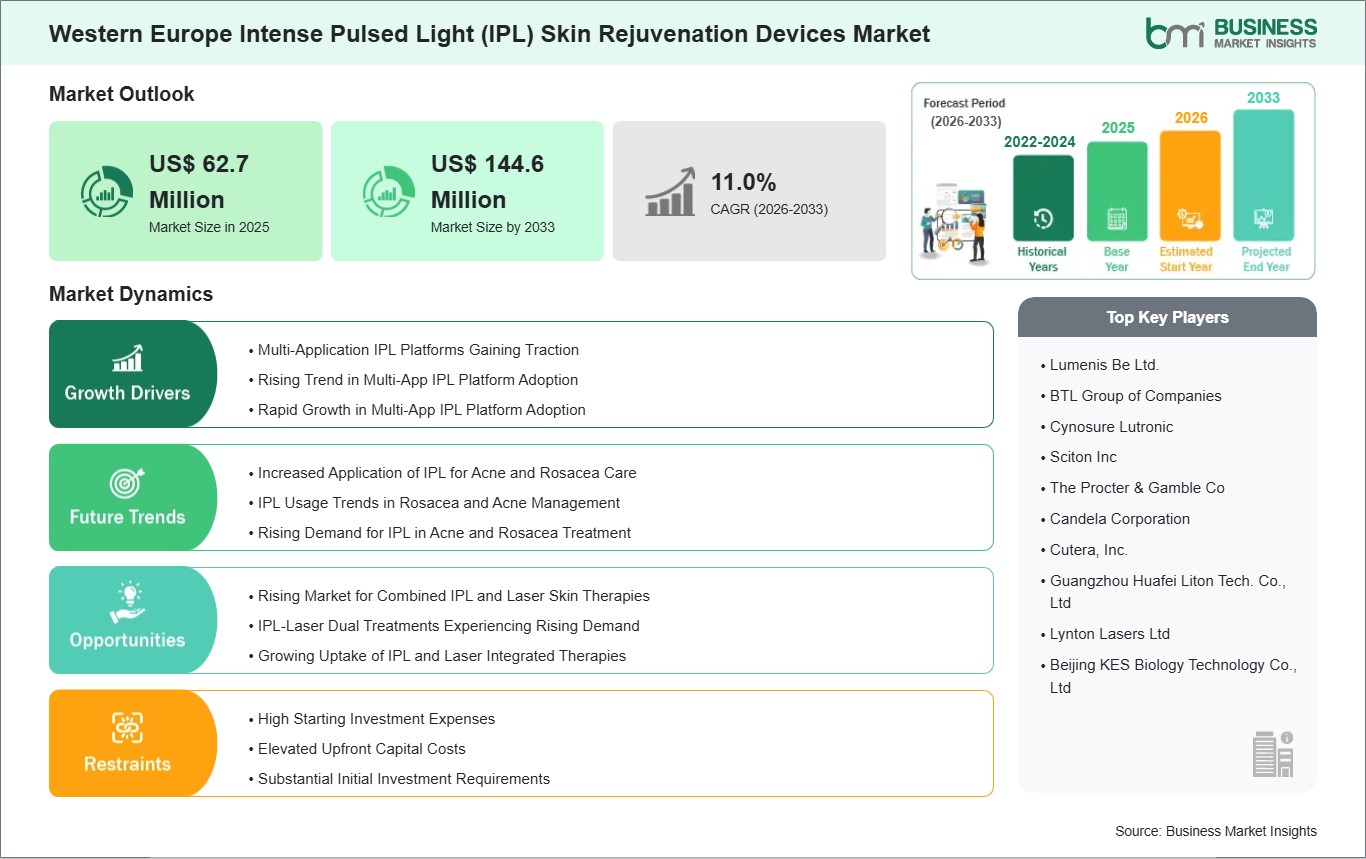
In Western Europe, demand for photorejuvenation procedures is increasing as consumers place greater emphasis on preventive dermatology and long-term skin health. Environmental factors such as intermittent high UV exposure during summer months, combined with urban pollution in major metropolitan corridors, are contributing to a higher prevalence of pigmentation disorders, sun damage, and early photoaging. This has strengthened the adoption of Intense Pulsed Light (IPL) skin rejuvenation treatments as a noninvasive corrective solution.
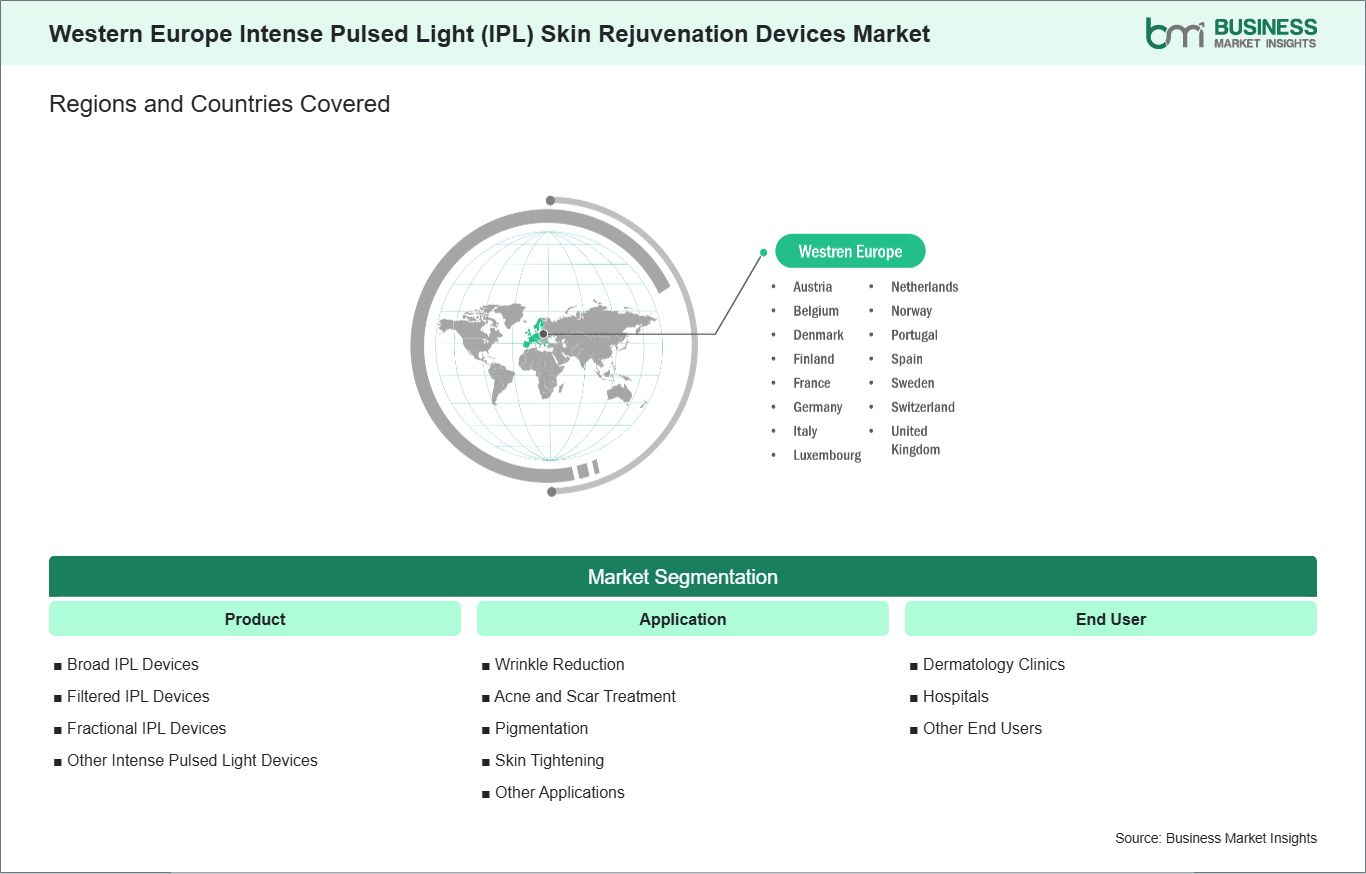
The region‘s mature healthcare systems and strong regulatory oversight have fostered high trust in clinically validated aesthetic procedures. Consumers in Germany, France, and the UK are opting for dermatologist-supervised IPL treatments as part of structured skin maintenance programs. The preference for evidence-based skincare has positioned IPL as an accepted option for addressing vascular lesions, age spots, and uneven skin tone with predictable outcomes and minimal downtime.
Rising disposable incomes and growing aesthetic awareness are also supporting market expansion across Western Europe. Urban populations in cities such as Paris, London, and Milan are increasingly integrating photorejuvenation into routine skincare regimens. Dermatology clinics are bundling IPL with complementary treatments such as chemical peels, laser resurfacing, and medical-grade skincare products, enhancing overall treatment effectiveness and reinforcing patient loyalty.
IPL Procedure Growth in Aesthetic Medical Spas
Aesthetic medical spas in Western Europe are experiencing strong growth in IPL procedure volumes as demand for non-surgical cosmetic treatments rises. IPL technologies are used for skin rejuvenation, hair reduction, and vascular lesion correction, making them a core component of modern med spa service portfolios. The technology‘s versatility and relatively short treatment cycles make it highly suitable for high-frequency client visits.
The premium wellness and aesthetics sector is a key driver of IPL adoption, with medical spas offering integrated treatment packages that combine IPL with advanced energy-based therapies and skin restoration procedures. Consumers are showing a strong preference for comprehensive, multi-session treatment plans that deliver gradual but long-lasting improvements in skin texture, tone, and clarity. This has led to higher utilization rates of IPL systems across high-end clinics.
Competitive intensity in the medical spa industry is encouraging rapid investment in next-generation IPL platforms with improved safety mechanisms, customizable wavelength settings, and enhanced patient comfort features. Providers are also incorporating digital skin analysis tools and personalized treatment mapping to improve clinical precision. As demand for minimally invasive aesthetic procedures grow, IPL treatments are expected to remain a central pillar of expansion in the Western European medical spa market.