Rising Cancer Rates Pose Health Challenges
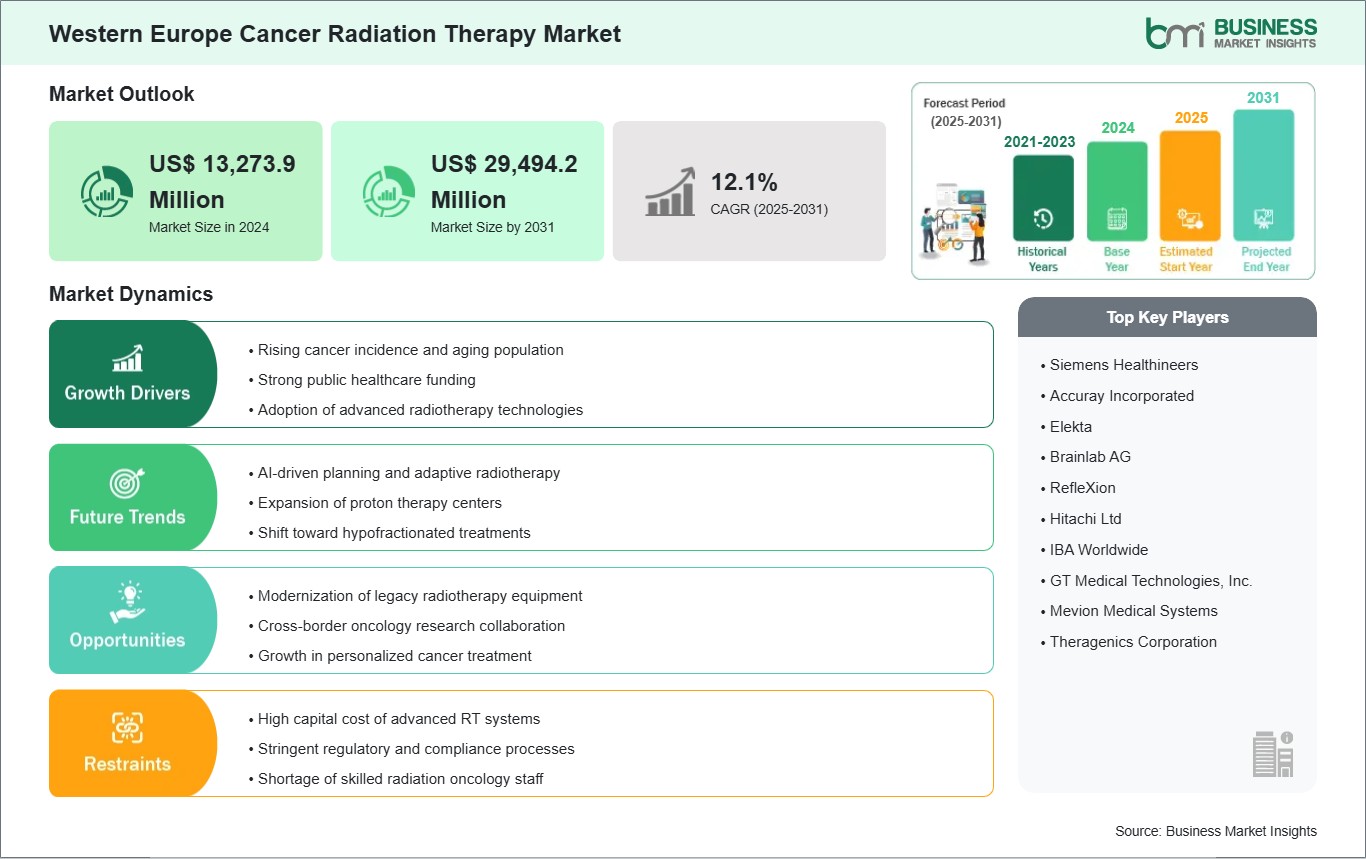
Cancer prevalence in Western Europe is rising steadily, driven by aging populations, lifestyle factors such as smoking, alcohol consumption, and dietary habits, as well as high levels of cancer screening and early detection. Breast, colorectal, lung, and prostate cancers are the most frequently diagnosed across Germany, France, the UK, and the Netherlands. Comprehensive screening programs have increased detection rates, which boosted the demand for radiation therapy as a key component of cancer care.
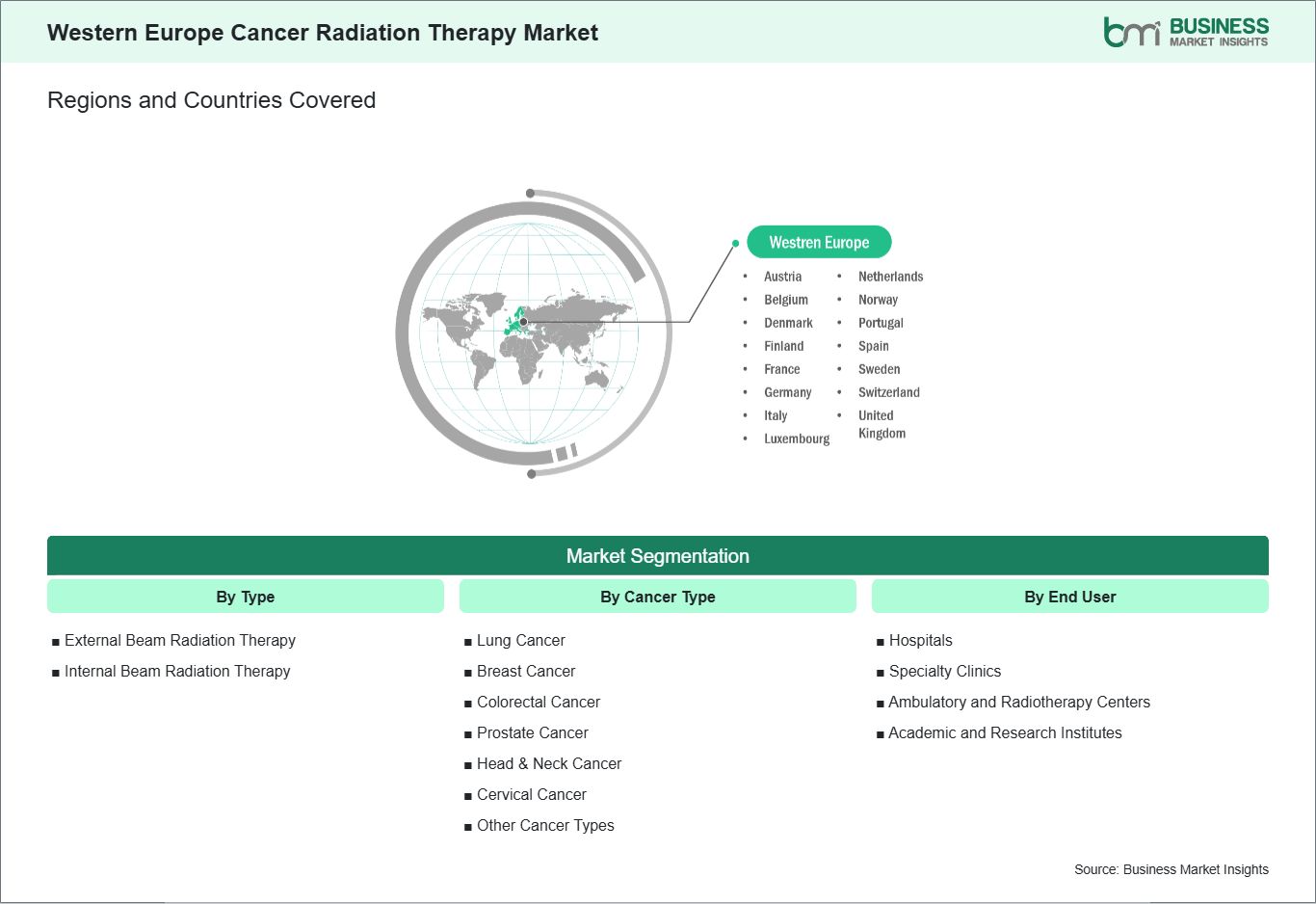
Western European healthcare systems are well-developed, providing broad access to both external beam and internal beam radiation therapy. External beam radiation therapy is widely used due to its flexibility in treating solid tumors, while internal beam therapy is applied for prostate, cervical, and gynecological cancers. Oncology centers are expanding treatment capacity to accommodate growing patient volumes, particularly in urban hubs with large healthcare networks.
Government healthcare initiatives and investments in advanced oncology infrastructure are helping hospitals upgrade their radiation therapy capabilities. New linear accelerators, brachytherapy units, and treatment planning software are implemented to manage increasing patient demand. As cancer prevalence continues to rise, it remains a primary driver for sustained growth in the Western European cancer radiation therapy market.
Rising Market for Personalized Medical Approaches
Personalized medicine is shaping cancer care in Western Europe, supported by advanced diagnostic tools, genomic profiling, and precision imaging. Clinicians are tailoring radiation therapy based on tumor characteristics, location, and individual patient factors to maximize efficacy and minimize side effects. This trend is creating opportunities for advanced external beam and internal beam therapies.
External beam radiation therapy is adopting intensity-modulated radiation therapy (IMRT), image-guided radiation therapy (IGRT), and stereotactic techniques to deliver patient-specific treatments. Internal beam therapy, particularly for prostate and gynecological cancers, is customized using advanced dosimetry and imaging tools, ensuring precise dose delivery and better clinical outcomes. Hospitals in Germany, France, and the UK are leading the adoption of these technologies.
Collaboration between academic research centers, hospitals, and technology providers is accelerating the integration of personalized treatment approaches. Patients are becoming more informed and actively seek therapies that optimize outcomes while reducing side effects. This rising demand for individualized care presents strong growth opportunities for equipment manufacturers, software providers, and healthcare service companies in the Western European cancer radiation therapy market.