Increasing Interest in Photorejuvenation Services
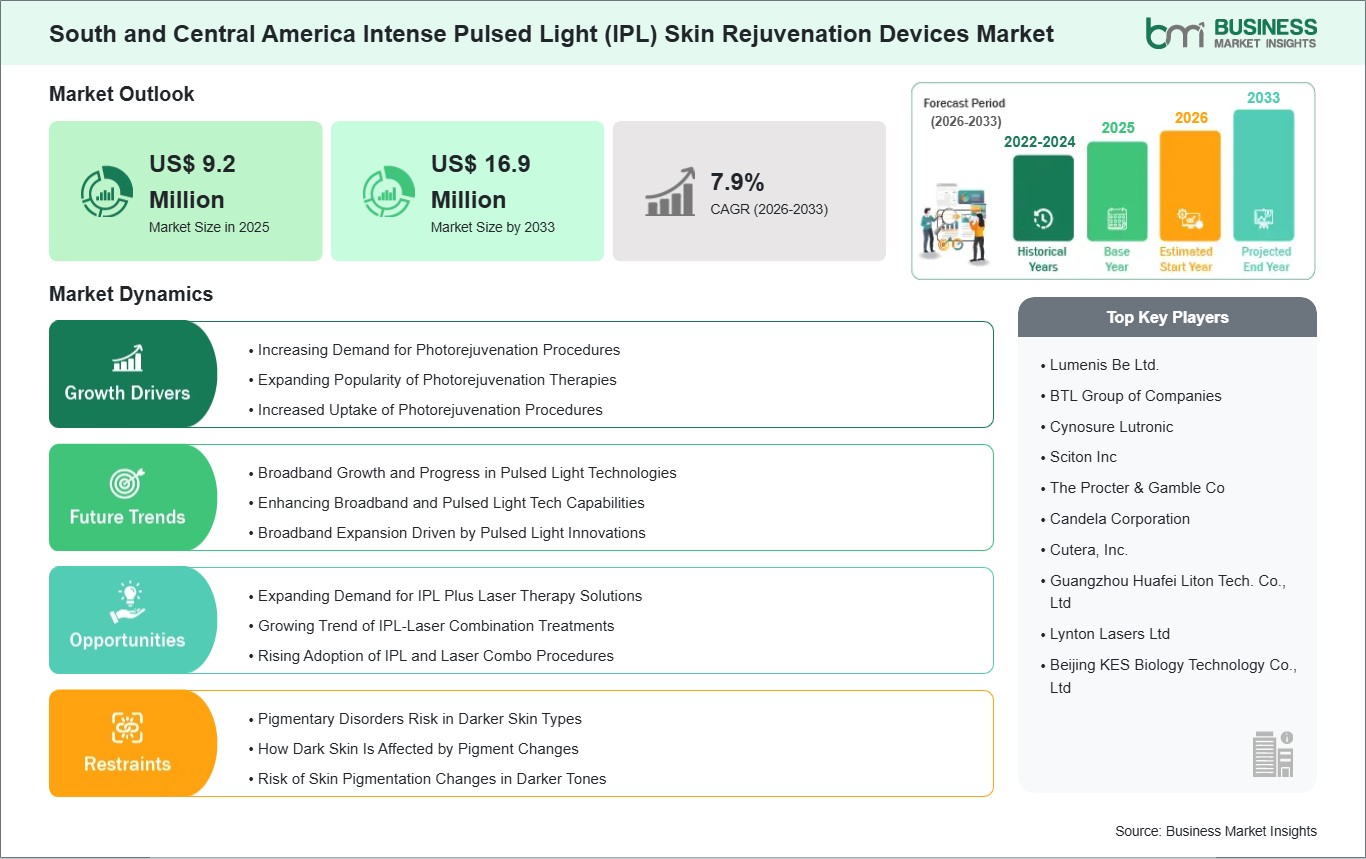
In South and Central America, interest in photorejuvenation services is rising steadily as consumers increasingly seek non-invasive aesthetic solutions for skin improvement. High levels of sun exposure across tropical and subtropical climates contribute significantly to common dermatological concerns such as hyperpigmentation, melasma, freckles, and uneven skin tone. These conditions are driving stronger adoption of Intense Pulsed Light (IPL) skin rejuvenation procedures in both public and private dermatology settings.
Growing urbanization and rising disposable incomes in key economic hubs are further supporting demand for aesthetic dermatology services. Consumers are becoming more aware of preventive skincare and are increasingly willing to invest in treatments that offer visible improvements with minimal recovery time. IPL procedures are gaining traction among younger demographics as well, particularly those influenced by digital beauty trends and increasing exposure to global skincare practices.
Improving access to private dermatology clinics and aesthetic centers is also expanding the availability of photorejuvenation treatments. In several countries across the region, dermatologists are incorporating IPL technology into broader skin management programs targeting pigmentation disorders, vascular conditions, and early signs of aging. This integration of IPL into routine dermatological care is helping normalize its use and broaden its adoption across diverse income groups.
Increasing Demand for IPL Procedures in Med Spas
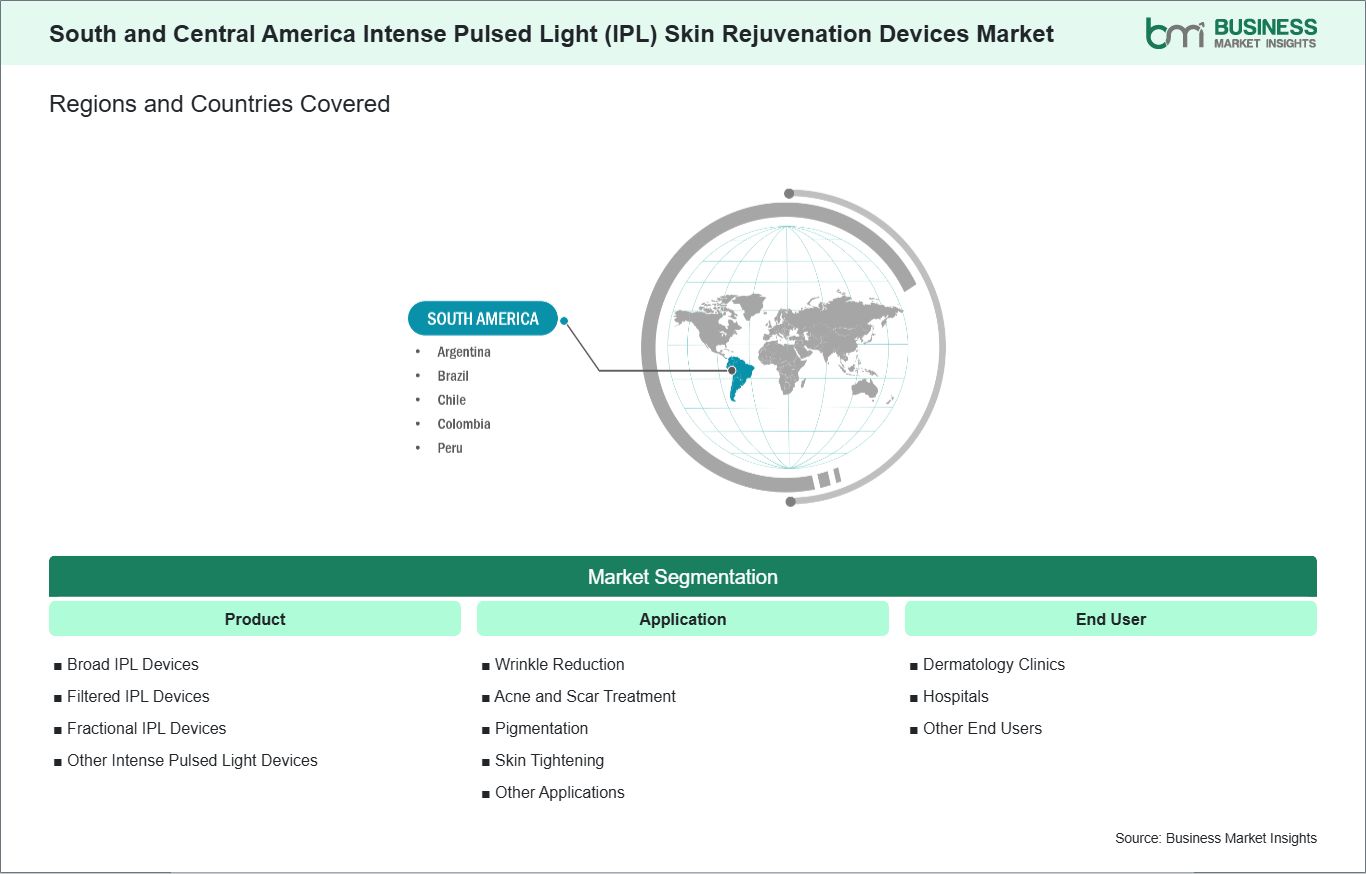
Medical spas across South and Central America are witnessing increasing demand for IPL procedures as consumers prioritize quick, effective, and minimally invasive aesthetic treatments. IPL technology is widely used for skin rejuvenation, hair reduction, and vascular lesion treatment, making it a versatile and high-demand service within the medical spa sector. Its ability to address multiple skin concerns with limited downtime is a key factor driving adoption.
The premium wellness segment is expanding, particularly in urban centers where consumers are seeking advanced aesthetic services that combine skincare, relaxation, and medical-grade treatments. Medical spas are increasingly offering IPL as part of bundled treatment packages that include chemical peels, microdermabrasion, and laser-based therapies. This integrated approach is helping providers increase customer retention while enhancing perceived treatment value.
At the same time, mid-tier and emerging medical spas are investing in IPL systems due to their relatively fast treatment cycles and strong revenue potential. Operators are focusing on expanding service menus and improving treatment customization to cater to a diverse patient base with varying skin types and concerns. As competition intensifies in the aesthetic services market, IPL procedures are becoming a core differentiator, supporting sustained growth across the medical spa segment in the region.