Increasing Occurrence of Cancer
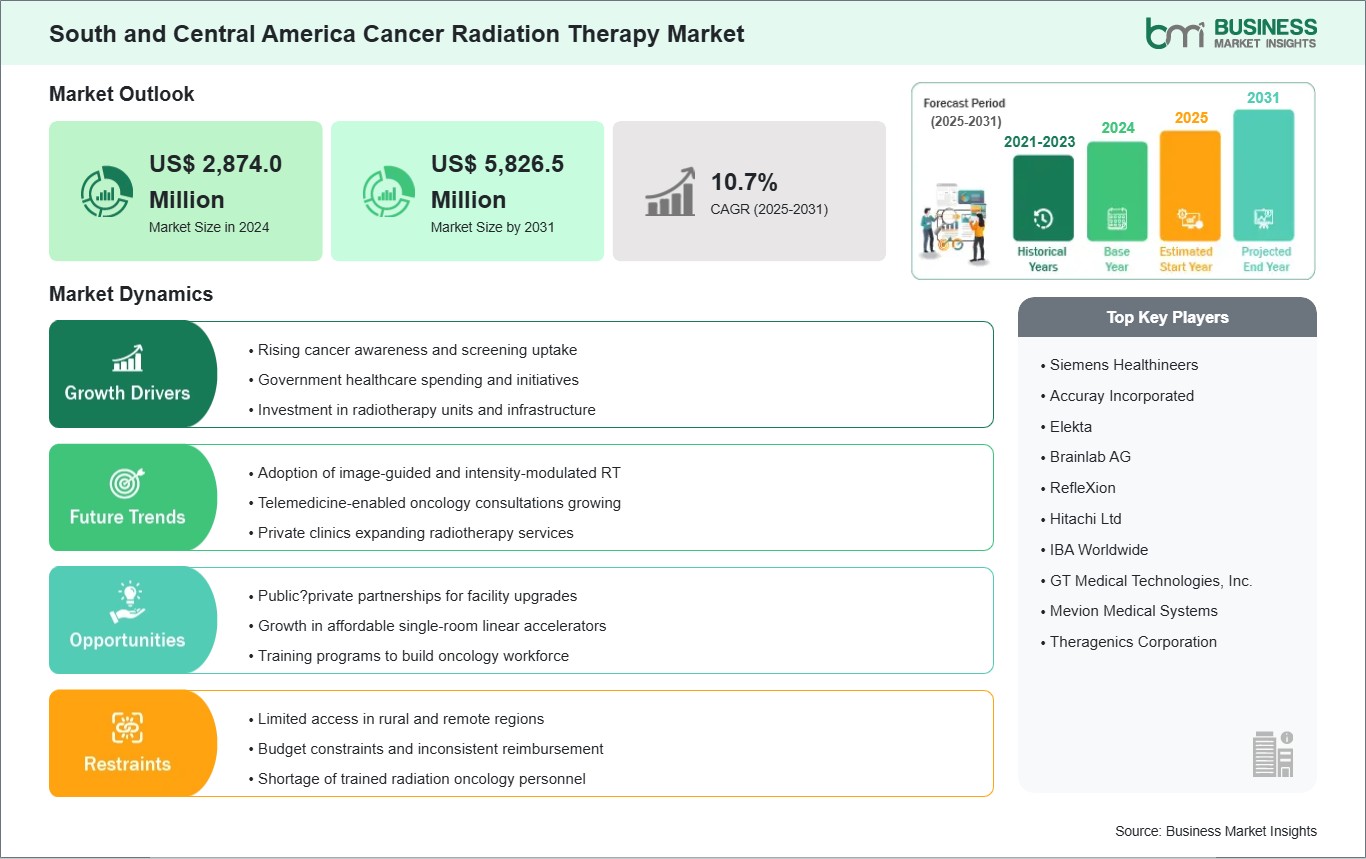
Cancer incidence is rising across South and Central America due to population aging, urbanization, and lifestyle-related risk factors such as smoking, unhealthy diets, and reduced physical activity. Breast, prostate, colorectal, and cervical cancers are among the most prevalent in countries such as Brazil, Argentina, Mexico, and Colombia. Improved awareness and expanding screening programs have led to higher detection rates, increasing the number of patients requiring radiation therapy as part of comprehensive cancer care.
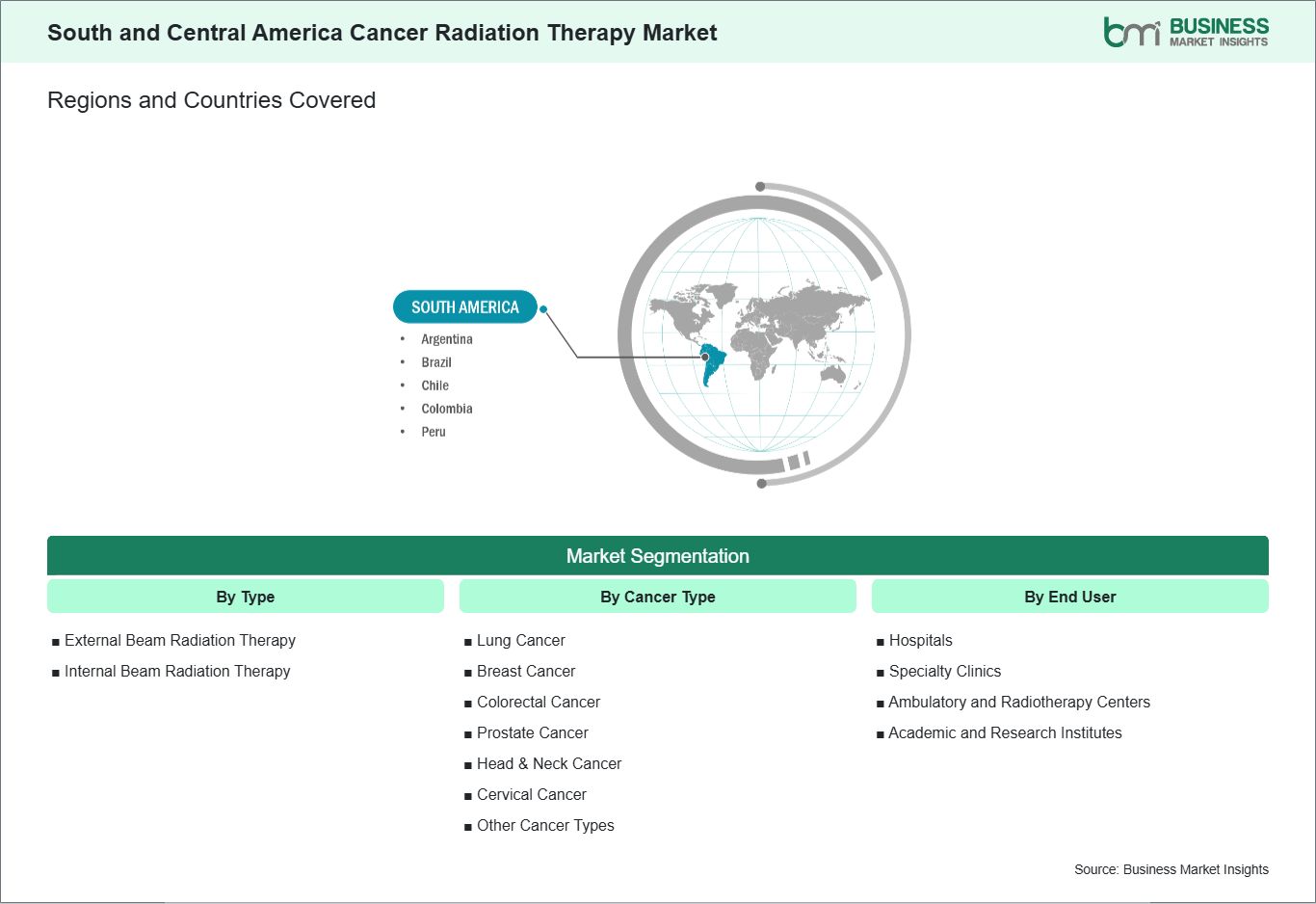
Healthcare infrastructure in the region varies widely, with urban centers equipped with modern oncology facilities while rural areas often face limited access. External beam radiation therapy is the predominant modality due to its versatility in treating multiple tumor types, while internal beam therapy is used for prostate, cervical, and gynecological cancers. This growing patient load is prompting hospitals to expand radiation oncology capacity and upgrade equipment.
Governments and private healthcare providers are investing in oncology infrastructure to manage the increasing cancer burden. Public - private partnerships and collaborations with international institutions are helping improve access to advanced treatment technologies. As cancer prevalence continues to rise, it remains a strong driver for sustained growth in the South and Central American cancer radiation therapy market.
The Increasing Appeal of Customized Healthcare
Personalized medicine is emerging as a key trend in South and Central America, driven by the need to improve treatment outcomes and reduce side effects. Radiation therapy is tailored to individual patients based on tumor characteristics, location, and patient-specific factors. This trend is fostering the adoption of advanced external beam techniques such as intensity-modulated radiation therapy (IMRT) and image-guided radiation therapy (IGRT).
Internal beam radiation therapy is also becoming more personalized, particularly for prostate, cervical, and gynecological cancers, where precise dose delivery significantly improves outcomes. Leading hospitals in Brazil, Argentina, and Mexico are integrating AI-assisted planning and advanced imaging tools to optimize therapy for individual patients.
Collaboration with international technology providers and training initiatives is enhancing the capability of regional cancer centers to deliver customized radiation therapy. Patients are becoming more informed and actively seek high-quality treatments that minimize side effects. This rising demand for personalized care creates substantial opportunities for equipment manufacturers, software developers, and healthcare systems across the South and Central American cancer radiation therapy market.