Analysis By Therapeutic Area (Oncology, and Autoimmune or Inflammatory) and Technology (Antibody-drug conjugates, Bispecific antibodies, Fc engineered antibodies, Antibody fragments & antibody-like proteins, and Biosimilar antibody products)
No. of Pages:117
Report Code:
TIPRE00028001
Category:
Life Sciences
Middle East and Africa Next-generation Antibody Market
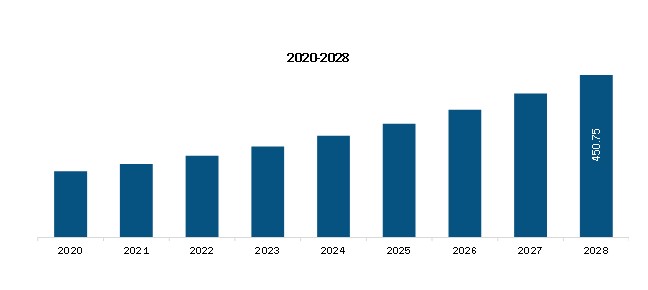
The Middle East and Africa (MEA) next-generation antibody market is expected to reach US$ 450.75 million by 2028 from US$ 222.59 million in 2021. It is estimated to grow at a CAGR of 10.6% from 2021 to 2028.
The growth of the market is due to are increasing prevalence of cancer and growing demand for next-generation antibody therapeutics. However, complications associated with the manufacturing and approvals of next-generation antibodies is expected to restrict the market growth during the forecast period.
Rising developments in biotechnology have led to increasing acceptance for next-generation antibodies therapeutics, which is further driving its use in autoimmune, inflammatory, and chronic treatment diseases among others. Next-generation antibody treatments have resulted from the application of sophisticated technologies in antibody therapeutics such as antibody–drug conjugates (ADCs), glycoengineered antibodies, and specific antibodies (BsAbs). Therefore, applications of next-generation antibodies are being widely studied to treat various chronic diseases. The rising demand of these antibodies have resulted in the rapid increase in the approval of ADCs and other next-generation antibodies therapeutics. For instance, in May 2020, Takeda Pharmaceutical Company Limited announced the FDA approval of ALUNBRIG (brigatinib) for adult patients with anaplastic lymphoma kinase-positive (ALK+) metastatic non-small cell lung cancer (NSCLC) as detected by an FDA-approved test. ALUNBRIG's current indication has been expanded to encompass the first-line setting with its approval. ALUNBRIG is a next-generation tyrosine kinase inhibitor (TKI) that is designed to target ALK molecular abnormalities. Similarly, in 2019, Genentech announced FDA accelerated approval of Polatuzumab vedotin-piiq, a CD79b-directed antibody-drug conjugate indicated in combination with bendamustine and a rituximab product for adult patients with relapsed or refractory diffuse large B-cell lymphoma.
Moreover, rising investments from biopharmaceutical and pharmaceutical companies for the manufacturing and development of these next-generation antibodies are driving the growth of the market. In addition, contract manufacturing and development organizations (CDMOs) forges a link to next-generation antibody conjugates to offer even more comprehensive ADC capabilities. CDMOs are developing site-specific linker technologies, expanding their payload options, and planning for indications other than cancer. For instance, in September 2020, MilliporeSigma has announced a US$ 65 million expansion of its highly potent active pharmaceutical ingredient (HPAPI) and active pharmaceutical ingredient production capabilities and capacity at its Madison (WI) location. Similarly, in July 2019, REGENXBIO and Neurimmune AG have signed a licensing, development, and commercialization collaboration to develop innovative AV gene treatments employing NAV vectors to deliver human antibodies against chronic neurodegenerative disorders such as tauopathies.
Therefore, the next-generation antibody market is anticipated to grow rapidly in the forecast period due to the rising clinical trials approvals and high adoption of next-generation antibodies therapeutics for the treatment of various diseases.
The socio-economic conditions in the Middle Eastern economies have been widely affected by the COVID–19 pandemic. The pandemic has restricted research and development activities in these countries. Since a considerable population already faces a growing burden of chronic diseases, the virus made them more vulnerable. However, economies in this region reacted wisely to the pandemic to avoid the spread of infection.
Similar to other regions, lockdown and social distancing measures were imposed in the MEA. Since these measures limited people's access to work, regular income, payments, schools, and healthcare, the MEA countries underwent huge losses and are still trying to recover them. Due to the less developed economies, most countries in this region depend on suppliers for healthcare products. A widespread outbreak of COVID-19 in Africa led to disruption in healthcare services, hindering access to healthcare supplies.
A COVID-19 vaccine is currently being developed by more than eight Iranian businesses and universities. While Iran does not suffer from the same poverty levels as other nations, sanctions generate other issues that jeopardize fair vaccine availability for its 80 million people, such as restrictions on Iranian participation in the COVAX facility as a self-financing member. Iran has boosted efforts to manufacture Covid-19 vaccine supplies locally in the last week. Coviran Barekat, the first coronavirus vaccine developed by researchers at Iran's Headquarters for Executing the Imam's Order, is currently undergoing phase 3 trials involving 20,000 patients. Saudi Arabia's Health Ministry has raised the number of appointments available for Pfizer-vaccination BioNTech's in Riyadh and Jeddah. Senior citizens and expatriates receive priority attention and can get vaccinated without a prior appointment. In addition, the Ministry of Health in Saudi Arabia has approved the use of Coronavirus vaccines produced by American businesses Johnson & Johnson and Moderna for incoming guests (MoH). Thus, constant research on COVID-19 using biotechnology is anticipated to propel the market over the next few years.
Middle East and Africa Next-generation Antibody Market Revenue and Forecast to 2028 (US$ Mn)
MIDDLE EAST AND AFRICA NEXT-GENERATION ANTIBODY MARKET SEGMENTATION
By Therapeutic Area
Oncology
Autoimmune/Inflammatory
By Technology
Antibody-Drug Conjugates (ADC's)
Bispecific Antibodies
FC Engineered Antibodies
Antibody Fragments and Antibody-like Proteins
Biosimilar Antibody Products
By Country
South Africa
Saudi Arabia
UAE
Rest of Middle East and Africa
Company Profiles
F. HOFFMANN-LA ROCHE LTD.
Kyowa Kirin Co., Ltd.
Takeda Pharmaceutical Company Limited
Amgen Inc.
Pfizer Inc.
Catalent Inc
AstraZeneca
Middle East and Africa Next-generation Antibody Market Strategic Insights
Get more information on this report
Middle East and Africa Next-generation Antibody Market Segmentation Analysis
Middle East and Africa Next-generation Antibody Market Report Highlights
Middle East and Africa Next-generation Antibody Report Scope
Report Attribute
Details
Market size in 2021
US$ 222.59 Million
Market Size by 2028
US$ 450.75 Million
CAGR (2021 - 2028)
10.6%
Historical Data
2019-2020
Forecast period
2022-2028
Segments Covered
By Therapeutic Area
Oncology
Autoimmune or Inflammatory
By Technology
Antibody-drug conjugates
Bispecific antibodies
Fc engineered antibodies
Antibody fragments & antibody-like proteins
Biosimilar antibody products
Regions and Countries Covered
Middle East and Africa
South Africa, Saudi Arabia, UAE, Rest of Middle East and Africa
Market leaders and key company profiles
F. HOFFMANN-LA ROCHE LTD.
Kyowa Kirin Co., Ltd.
Seagen Inc.
Takeda Pharmaceutical Company Limited
Amgen Inc.
Pfizer Inc.
Catalent Inc
AstraZeneca
Get more information on this report
Middle East and Africa Next-generation Antibody Market Country and Regional Insights
Get more information on this report
Identical Market Reports with other Region/Countries
The List of Companies - Middle East and Africa Next-generation Antibody Market
F. HOFFMANN-LA ROCHE LTD.Kyowa Kirin Co., Ltd.Seagen Inc.Takeda Pharmaceutical Company LimitedAmgen Inc.Pfizer Inc.Catalent IncAstraZeneca
Frequently Asked Questions
How big is the Middle East and Africa Next-generation Antibody Market?
The Middle East and Africa Next-generation Antibody Market is valued at US$ 222.59 Million in 2021, it is projected to reach US$ 450.75 Million by 2028.
What is the CAGR for Middle East and Africa Next-generation Antibody Market by (2021 - 2028)?
As per our report Middle East and Africa Next-generation Antibody Market, the market size is valued at US$ 222.59 Million in 2021, projecting it to reach US$ 450.75 Million by 2028. This translates to a CAGR of approximately 10.6% during the forecast period.
What segments are covered in this report?
The Middle East and Africa Next-generation Antibody Market report typically cover these key segments-
Therapeutic Area (Oncology, Autoimmune or Inflammatory)
What is the historic period, base year, and forecast period taken for Middle East and Africa Next-generation Antibody Market?
The historic period, base year, and forecast period can vary slightly depending on the specific market research report. However, for the Middle East and Africa Next-generation Antibody Market report:
Historic Period : 2019-2020
Base Year : 2021
Forecast Period : 2022-2028
Who are the major players in Middle East and Africa Next-generation Antibody Market?
The Middle East and Africa Next-generation Antibody Market is populated by several key players, each contributing to its growth and innovation. Some of the major players include:
F. HOFFMANN-LA ROCHE LTD.
Kyowa Kirin Co., Ltd.
Seagen Inc.
Takeda Pharmaceutical Company Limited
Amgen Inc.
Pfizer Inc.
Catalent Inc
AstraZeneca
Who should buy this report?
The Middle East and Africa Next-generation Antibody Market report is valuable for diverse stakeholders, including:
Investors: Provides insights for investment decisions pertaining to market growth, companies, or industry insights. Helps assess market attractiveness and potential returns.
Industry Players: Offers competitive intelligence, market sizing, and trend analysis to inform strategic planning, product development, and sales strategies.
Suppliers and Manufacturers: Helps understand market demand for components, materials, and services related to concerned industry.
Researchers and Consultants: Provides data and analysis for academic research, consulting projects, and market studies.
Financial Institutions: Helps assess risks and opportunities associated with financing or investing in the concerned market.
Essentially, anyone involved in or considering involvement in the Middle East and Africa Next-generation Antibody Market value chain can benefit from the information contained in a comprehensive market report.




 Get Free Sample For Middle East and Africa Next-generation Antibody Market