Rising adoption of personalized skincare treatment solutions
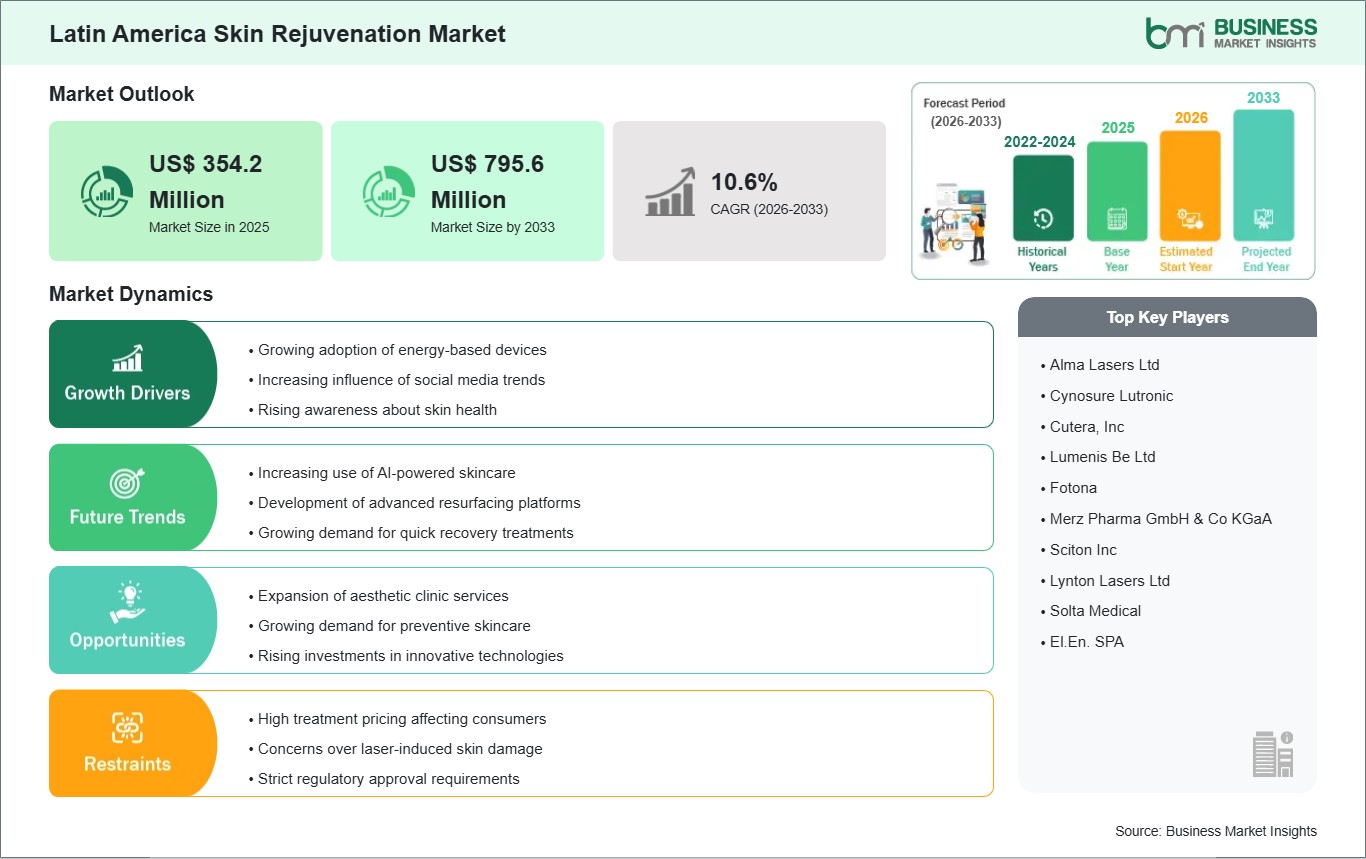
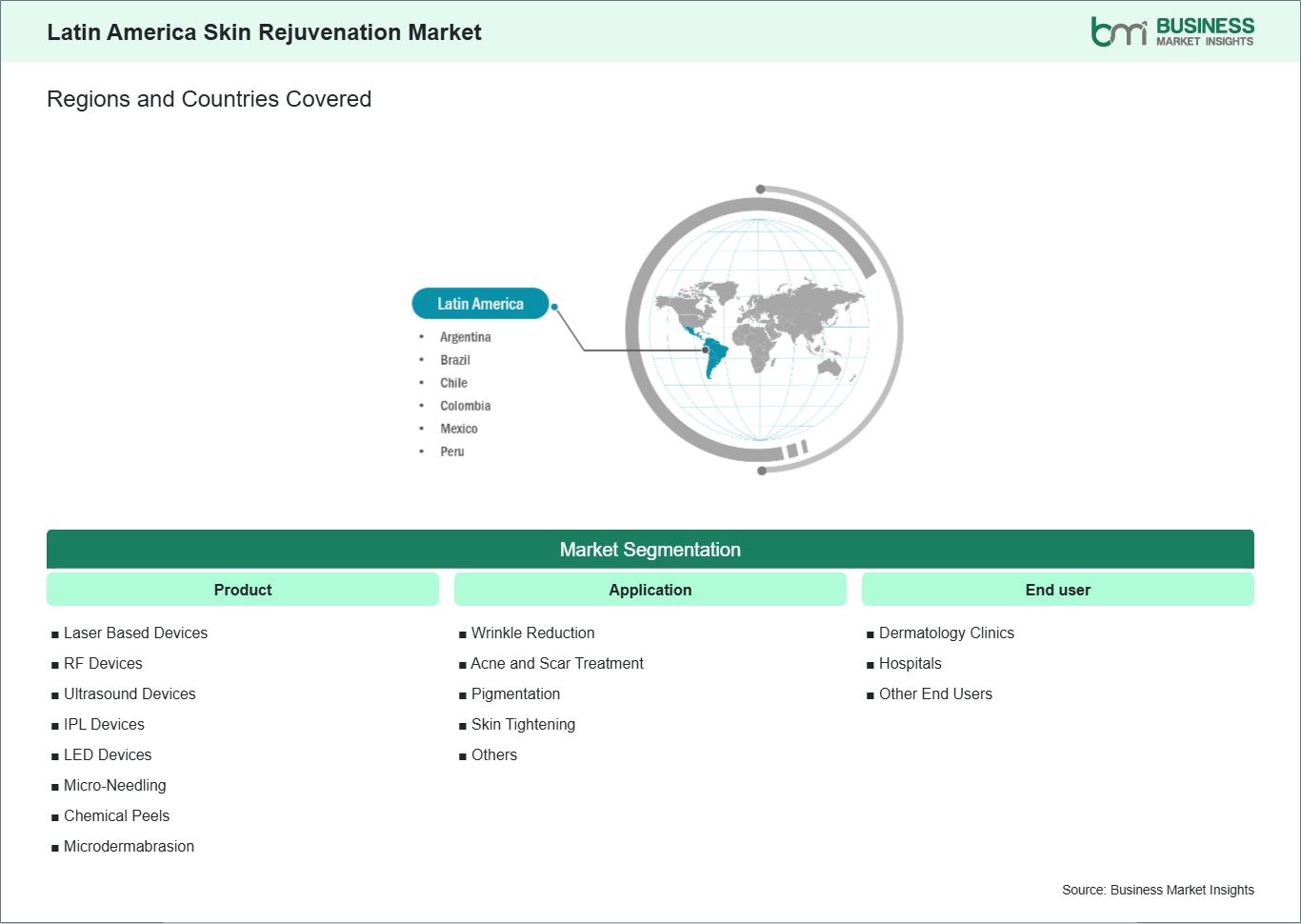
The Latin America skin rejuvenation market is increasingly shaped by the rising adoption of personalized skincare treatment solutions, driven by evolving consumer expectations in countries such as Brazil, Mexico, Argentina, and Colombia. The consumer has begun to stray away from a one-size-fits-all approach to skin care and towards a more customized regimen to target their unique needs, such as hyperpigmentation, acne scars, and premature aging. This trend has been noted especially in large cities like São Paulo, Mexico City, and Buenos Aires, where dermatologists have begun including personalized consultations in their practices.
One of the factors behind this phenomenon is the increasing impact of clinical dermatology as well as aesthetic medicine on the current market situation. Clinics are now using various skin analysis methods and consultation protocols to create several-step rejuvenation plans that involve both in-office procedures and home treatment protocols. Thanks to this, it becomes possible for experts to adapt treatment protocols to fit different skin types found in Latin America as well as other external factors such as sun exposure and climate.
The consumer behavior pattern has been influenced significantly by the use of digital technology and the impact of social media, which have been instrumental in informing patients about the different treatment options. For example, in Brazil, most aesthetic practices usually focus on personalized skin treatments that integrate injectable procedures, chemical peels, and energy-based treatments. This has enabled consumers to see skincare as an ongoing and dynamic process, thus enhancing their interaction with dermatology practitioners.
Innovations in non-thermal skin rejuvenation technologies
The Latin America skin rejuvenation market is witnessing increasing innovation in non-thermal skin rejuvenation technologies, reflecting a shift toward gentler and regenerative treatment approaches. The technologies discussed here are those that aim to enhance skin quality without the excessive use of thermal energies. This makes them highly applicable to all types of skins prevalent in the region. Brazil and Mexico are among some of the countries leading the way in using these technologies, especially in dermatological and aesthetic medicine clinics.
The non-thermal treatments are gaining popularity owing to their effectiveness to induce natural skin regeneration. The new techniques are preferred since they pose lower risks than energy-based treatments as they do not result in extended recovery time. There are several countries where dermatologists have started combining such techniques as regenerative injections, biostimulatory treatments, and platelet-rich plasma treatments in treatment regimes to enhance hydration and elasticity of the skin.
The development of technology and clinical studies are additionally contributing to the implementation of such solutions in Latin America. Leading aesthetic brands have developed new formulas that boost cell regeneration and collagen synthesis without causing any heat injury. It will allow clinics to broaden the range of treatments offered by clinics and appeal to more patients who prefer to get a more natural look. The increased awareness is likely to make the non-thermal technologies the cornerstone of the future aesthetic dermatology market of Latin America.