Rising Incidence of Cancer
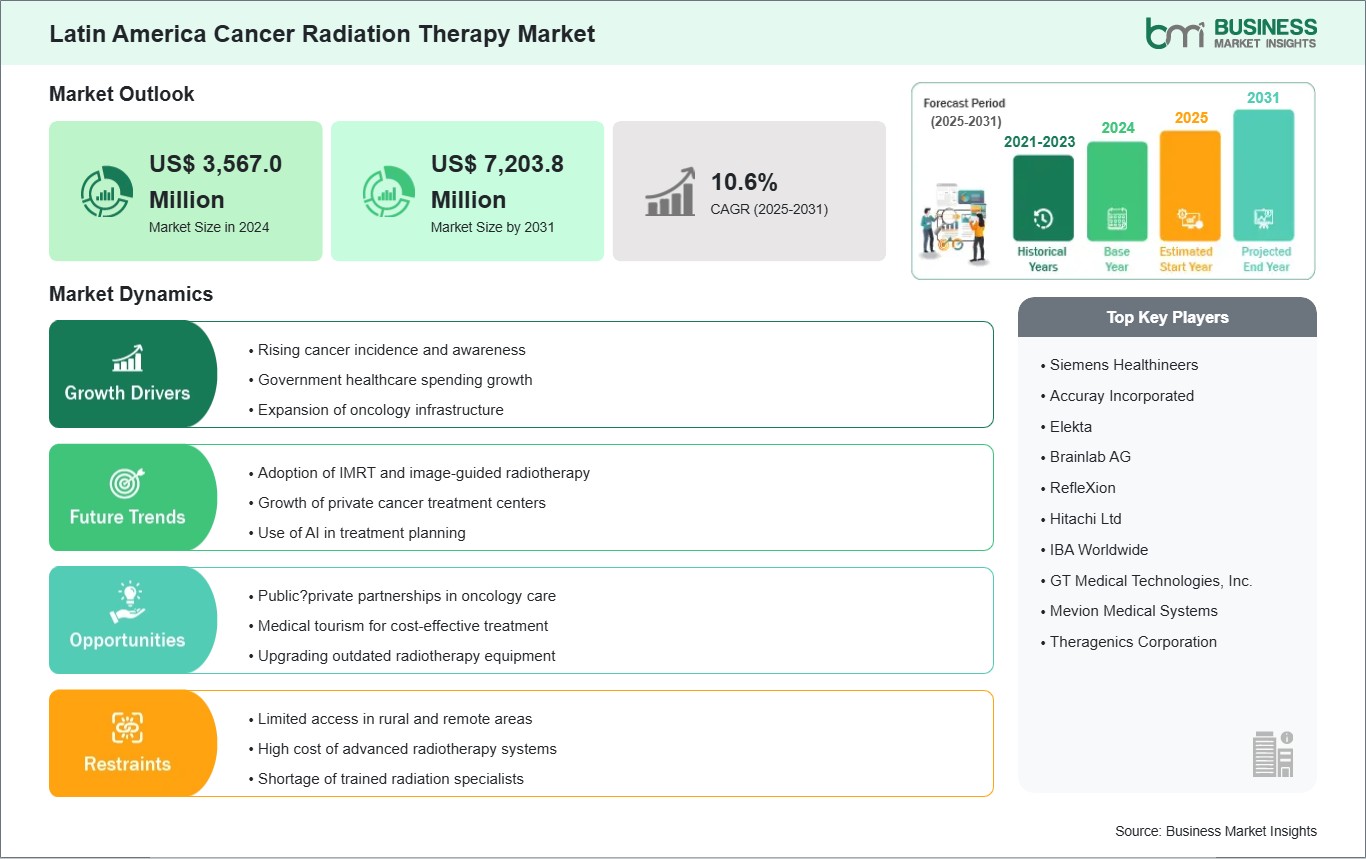
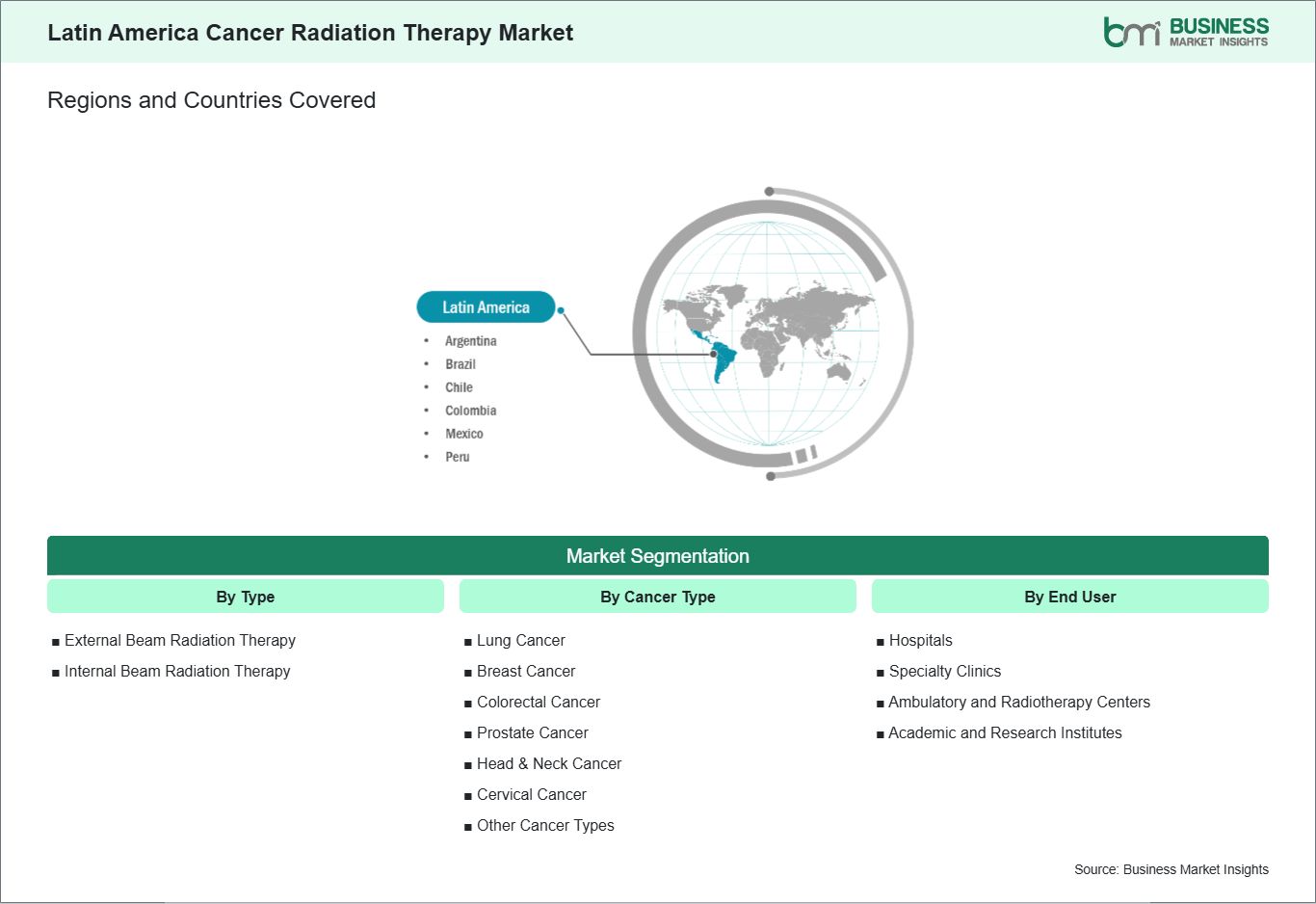
Cancer incidence across Latin America is increasing steadily owing to an aging population, urbanization, and lifestyle-related risk factors such as tobacco use, dietary changes, and physical inactivity. Breast, prostate, colorectal, cervical, and lung cancers are among the most commonly diagnosed across the region, with countries such as Brazil, Mexico, Argentina, and Colombia accounting for a large share of cases. Improved awareness and expanding screening programs are leading to higher detection rates, increasing demand for radiation therapy services.
Healthcare systems in Latin America are at varying stages of development, creating uneven access to cancer care. Large urban centers have well-established oncology hospitals equipped with external beam radiation therapy systems, while access in rural areas remains limited. Radiation therapy plays a critical role in cancer treatment, particularly where late-stage diagnosis is common, and surgery alone is insufficient. Internal beam radiation therapy is used for cervical and prostate cancers, which are prevalent in several Latin American countries.
Governments and private healthcare providers are investing in cancer care infrastructure to address the rising disease burden. Public, private partnerships, and international collaborations are helping expand radiation oncology capacity and improve patient access. As cancer prevalence continues to rise across Latin America, it remains a strong driver supporting sustained growth in the regional cancer radiation therapy market.
The Growth of Tailored Medicine Solutions
Personalized medicine is gaining momentum in Latin America as clinicians and patients seek more effective and targeted cancer treatments. Advancements in diagnostic imaging and treatment planning are enabling radiation therapy to be tailored to individual patient and tumor characteristics. This shift is creating opportunities for modern external beam radiation therapy techniques that allow precise dose delivery while reducing damage to surrounding healthy tissue.
In external beam radiation therapy, technologies such as intensity-modulated radiation therapy and image-guided approaches are being gradually adopted, particularly in leading hospitals in Brazil, Chile, and Argentina. Internal beam radiation therapy is also becoming more personalized, especially for cervical and prostate cancer treatment, where accurate dose placement is critical for improving outcomes and minimizing complications.
As oncology training improves and access to advanced technologies expands, more cancer centers in Latin America are developing the capability to deliver customized radiation therapy. Patients are informed and are seeking higher-quality treatment options with fewer side effects. This rising demand for personalized medicine presents strong growth opportunities for radiation therapy equipment manufacturers, software providers, and healthcare systems across the Latin American market.