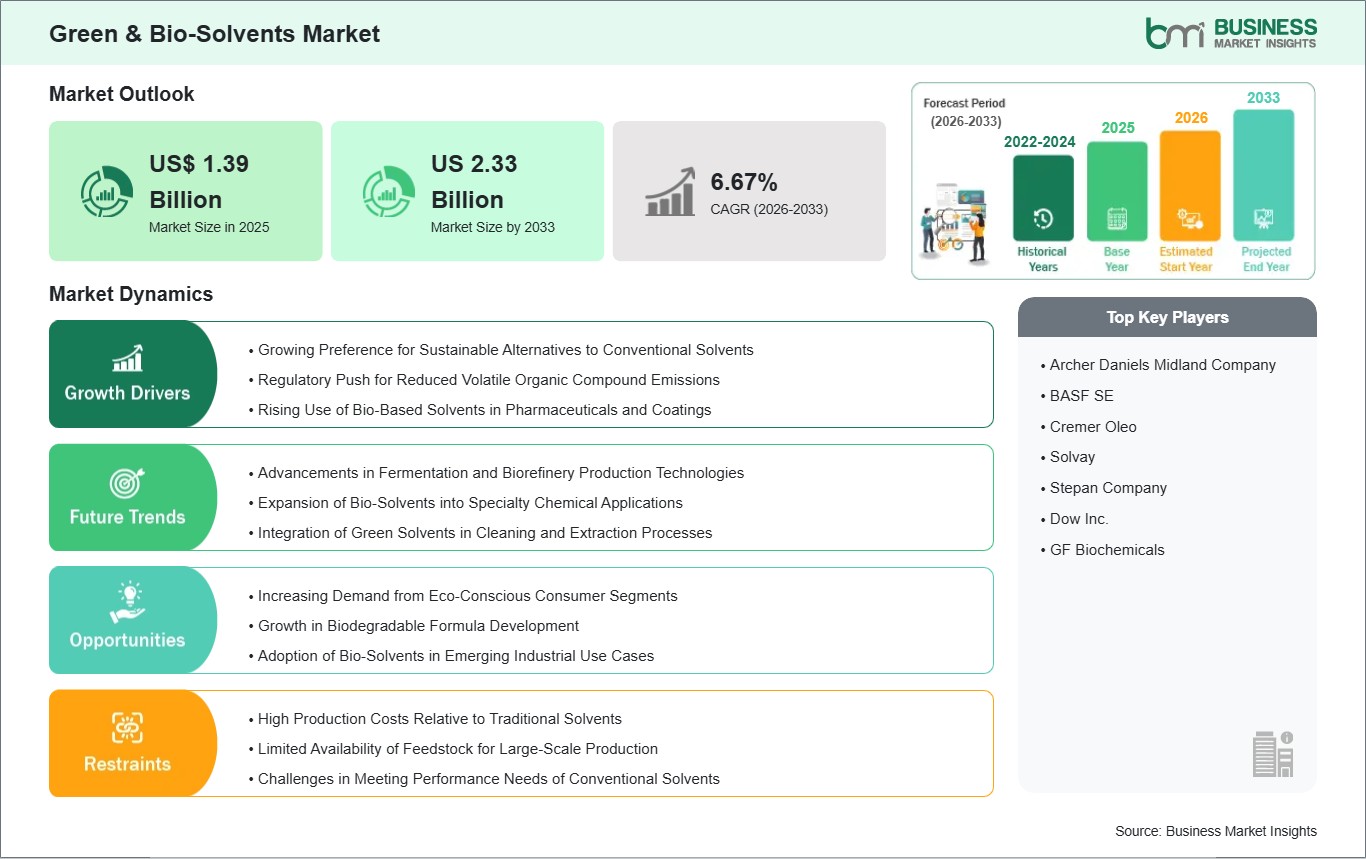
Growing Preference for Sustainable Alternatives to Conventional Solvents
The increasing adoption of sustainable alternatives to conventional solvents is a major driver of the green and bio-solvents market, which is growing at a rapid rate in the global industry. Conventional solvents, which are petroleum-based, pose a major problem to the environment and human health, as they emit VOCs and are toxic in nature. However, green solvents, which are derived from renewable resources, provide a solution for the industry to perform tasks while ensuring the health of the environment. The increasing awareness of the industry about the harmful effects of conventional solvents is a major driver of the green and bio-solvents market.
Green solvents, which are derived from renewable resources, are being used by the industry to replace conventional solvents, which are harmful to the environment, while ensuring the quality of the product is maintained at a high level. The increasing adoption of green solvents by the industry, especially in the coatings, adhesives, pharmaceutical, and cleaning industries, is a major driver of the green and bio-solvents market, as it helps the industry to improve its corporate social responsibility, which is a major factor in the selection of suppliers and customers in a competitive environment.
The move toward sustainable solvents is further accelerated by technological advancements that enhance performance characteristics. Modern bio-solvent formulations are engineered to match or exceed the solvency power, stability, and compatibility of conventional chemicals. This broadens their applicability across industrial processes and consumer products while aligning with global sustainability initiatives. As companies and governments emphasize circular economy practices and carbon reduction strategies, the preference for green and bio-solvents is expected to continue rising, positioning them as an essential component of eco-conscious industrial operations.
Increasing Demand from Eco-Conscious Consumer Segments
One aspect that is contributing to the growth of the green and bio-solvents market is consumer awareness and demand for eco-friendly products. Consumers, especially in personal care products, household cleaning agents, and even in industrial products, expect to see sustainable ingredients, including solvents, in the products they buy. Companies that have adopted bio-solvent ingredients can leverage this aspect to market themselves in a competitive market and show that they care about the environment and are committed to producing sustainable products, which is a key aspect for consumers who care about the environment.
In the cosmetics and personal care market, for example, bio-solvents are being used in various personal care products such as fragrances, skin care products, and even hair care products to replace traditional chemical solvents. Similarly, household cleaning and maintenance products are being formulated to include green solvents to replace traditional chemical solvents and minimize VOC emissions, thereby improving indoor air quality and adhering to strict health and safety regulations.
Beyond individual consumer products, the demand from eco-conscious B2B buyers is also growing. Industrial clients are integrating bio-solvents into manufacturing and cleaning processes to meet sustainability commitments and reduce environmental liabilities. Regulatory incentives, voluntary green certifications, and corporate sustainability goals further reinforce adoption. As environmental awareness continues to influence purchasing behavior across both consumer and industrial markets, green and bio-solvents are expected to gain significant traction, driving innovation and market expansion worldwide.