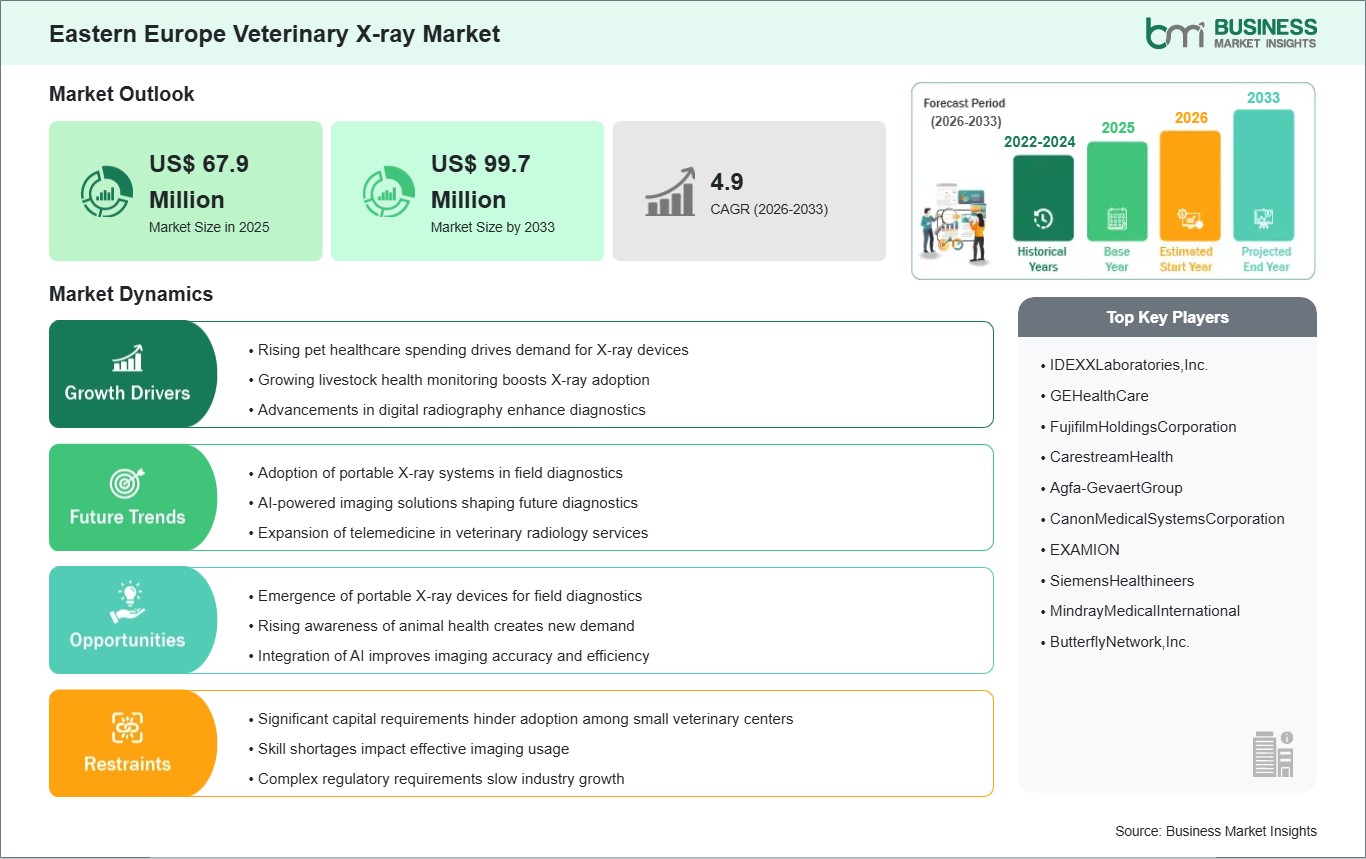
Rising pet healthcare spending drives demand for X‑ray devices
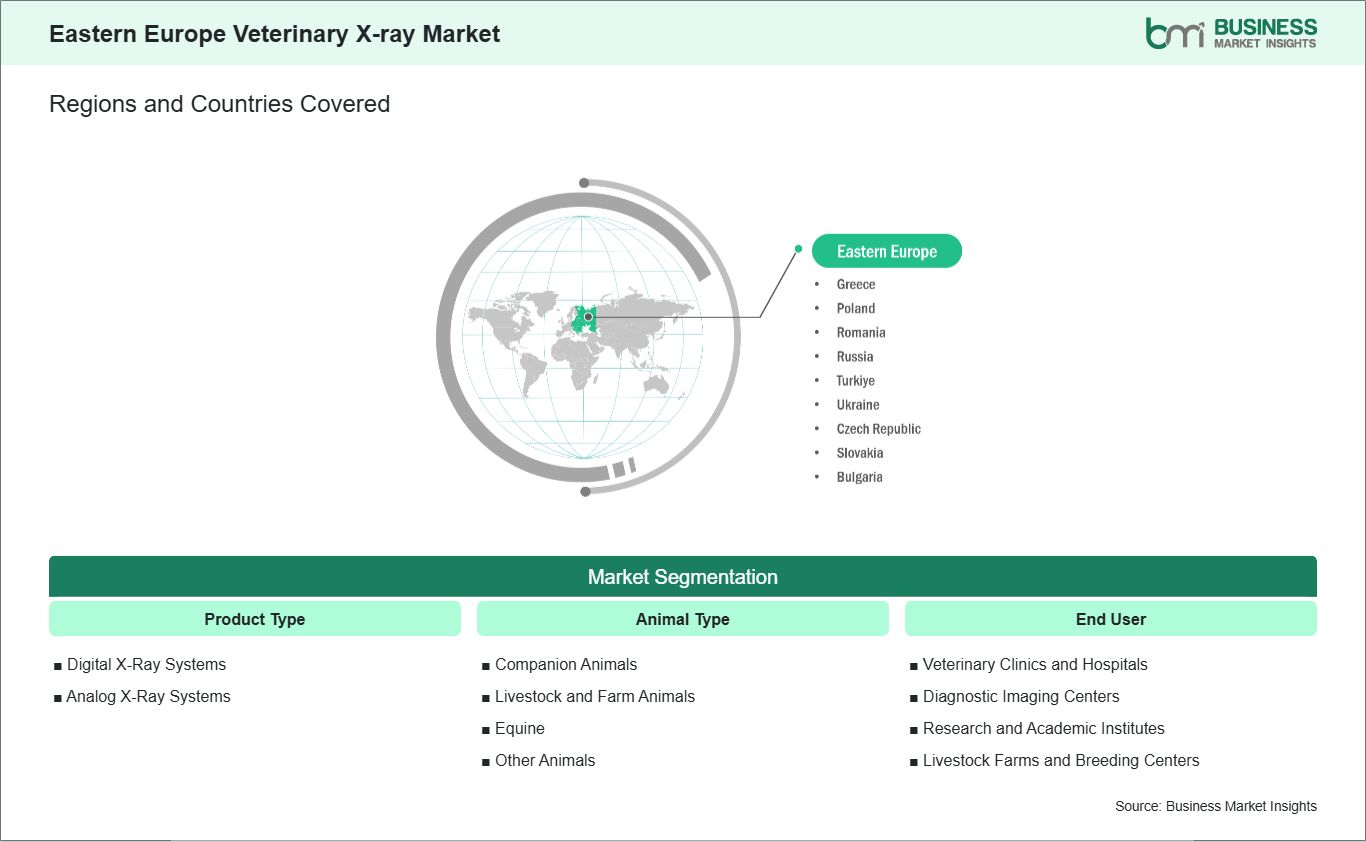
The rise in the attention given to companion animal health across Eastern Europe has propelled a significant increase in the demand for veterinary diagnostic equipment. Consumers in Poland, Romania, and the Czech Republic are spending more on preventiveism, routine check-ups and specialty care, resulting in veterinary clinics that are upgrading their infrastructure which includes the use of digital x-ray systems as a crucial means of providing timely and accurate diagnoses.
The urban veterinary centres within cities such as, but not limited to, Warsaw, Budapest and Bucharest have taken the lead in implementing advanced imaging technology in clinic operations. These veterinary clinics are investing in digital x-ray systems to improve the quality of care provided to their clients, decrease the time that they have to wait for their appointment, and increase throughput to be able to efficiently perform detailed diagnostics on both large and small animals, thereby building their client’s trust and loyalty.
There is an increase in private investment in the delivery of animal healthcare services as well. Entrepreneurs are establishing multi-specialty veterinary clinics that focus on having the clinically-accurate diagnostic necessary and high operational efficiency. The increased financial capacity of pet owners and the desire of professionals in the veterinary service industry to succeed is providing a very positive atmosphere to support the continued growth in demand for x-ray systems in Eastern Europe.
Emergence of portable X‑ray devices for field diagnostics
Veterinary portable x-ray technology is on the rise in Eastern Europe because of its flexibility and convenience for veterinarians who work with primarily rural or mobile clinics; for many veterinarians, portable x-ray devices are invaluable tools that reduce the need to transport animals from rural areas over long distances to have x-ray imaging done. Being able to perform x-rays on cattle, for example, without having the cattle transported is extremely valuable since both stress and logistics related to transport often impact the success of treatment of large livestock/equine.
More and more farms/small animal shelters are using portable x-ray systems for on-site diagnostics. For example, mobile veterinary units in Serbia and Hungary are utilizing lightweight, battery-powered x-ray machines to efficiently assess the condition of cattle, horses and small pets. Not only does this reduce the cost of operating the mobile unit (because they do not have to travel to a fixed location), it enables veterinarians to render timely, accurate treatment to animals residing in rural areas.
Manufacturers of portable x-ray devices are also developing smaller, user-friendly x-ray machines that provide wireless connectivity. These new technology developments are allowing veterinarians to have immediate access to x-ray images so they can consult with other providers regarding the care of the animal without having to return to the clinic post-examination. As the availability of these devices continues to grow, it is anticipated that portable x-ray units will play a significant role within the veterinary diagnostic landscape throughout Eastern Europe in the next few years.