Surge in disposable income among consumers
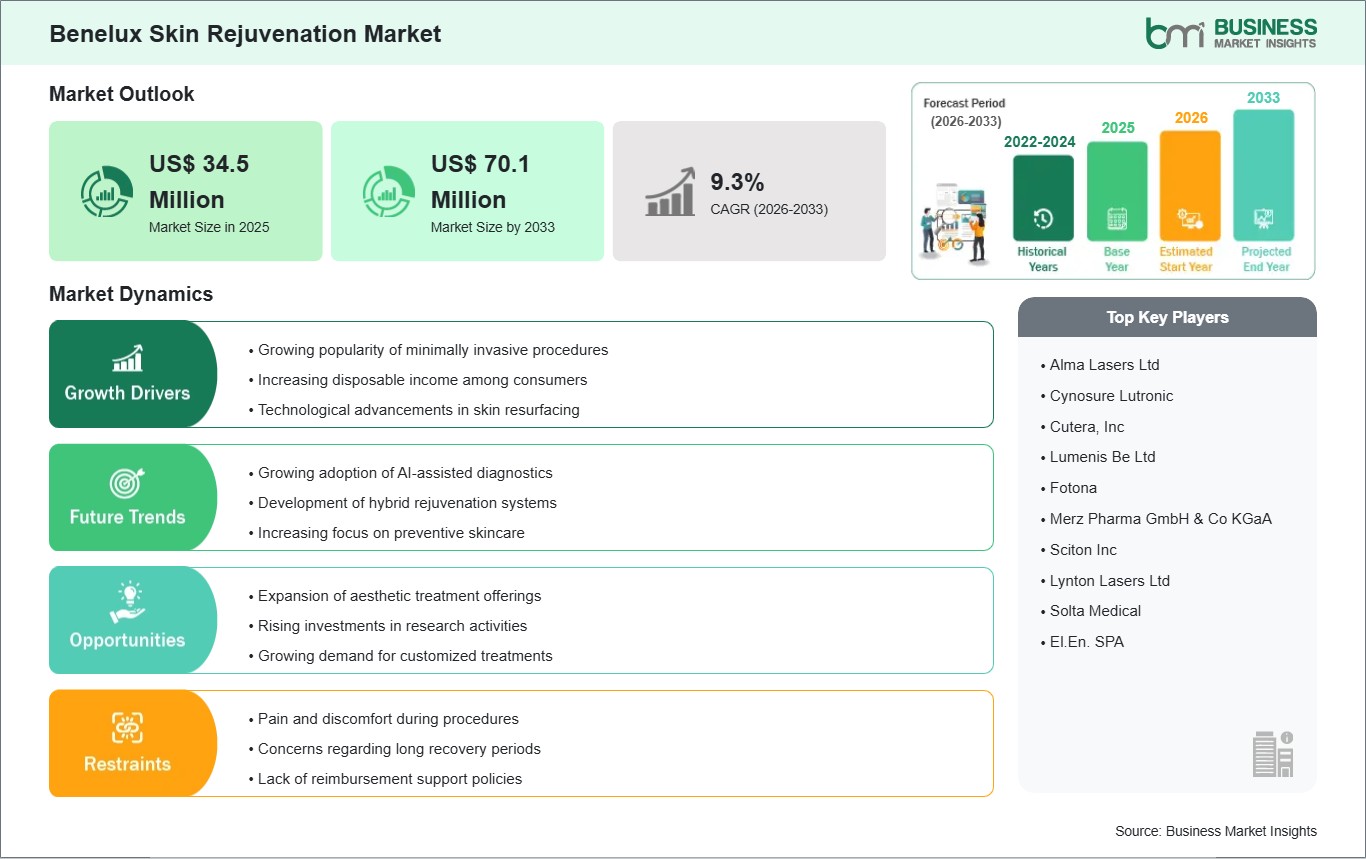
The Benelux skin rejuvenation market is experiencing steady growth supported by rising disposable income levels across the Netherlands, Belgium, and Luxembourg. Customers in this market are starting to spend a larger share of their budget on high-end skincare and aesthetics treatments, considering personal grooming an important lifestyle choice. This trend is especially noticeable in big cities like Amsterdam, Brussels, and Luxembourg, where professional customers prefer spending money on effective skin care products and treatments.
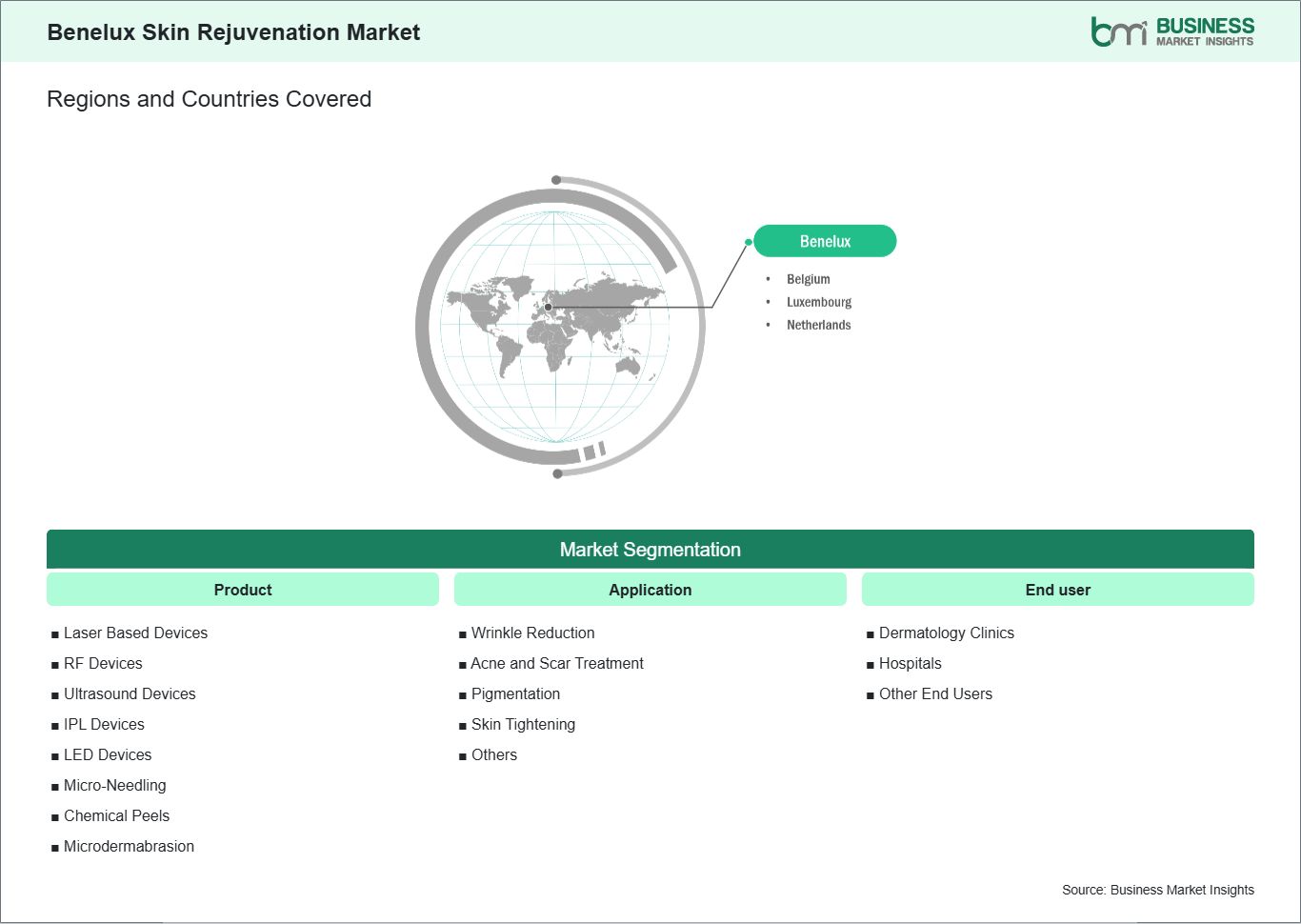
One of the prominent features of the Benelux market is the pronounced tendency of consumers towards the use of premium skincare solutions backed by scientific research. As their financial situation improves, the demand for basic cosmetology procedures declines, while more advanced skin procedures, such as laser rejuvenation and chemical peels, become increasingly popular among people. At the same time, consumers' inclination to purchase premium services is also facilitated by a greater focus on well-being and preventive healthcare.
Moreover, the rising incomes among middle-class people have widened the customer base to include more individuals beyond the high net worth segment. The younger generation and even elderly patients are becoming an integral part of the demand for anti-aging and skin revitalization treatments. With discretionary spending on the rise, skincare is now being perceived as a worthwhile personal investment rather than a mere luxury item.
Integration of artificial intelligence in skincare diagnostics
Artificial intelligence is gradually transforming skincare diagnostics in the Benelux region by improving accuracy, personalization, and accessibility of dermatological assessments. AI-assisted skin analysis technology is being embraced by dermatologists in countries like the Netherlands and Belgium to help diagnose any ailments on the skin surface with great speed. This technology allows dermatologists to be able to identify potential problems ranging from irregular pigmentation, premature aging, and skin texture problems.
AI implementation has additionally contributed towards improving consumer experience through personalization of the skincare process. Skin analysis apps and diagnostic devices help users gain unique insights that are dependent on their skin type. This development is especially pertinent in the case of digitally mature markets such as Benelux, in which consumers have high interest in using technological solutions and expect integration into healthcare.
Nevertheless, the integration of AI technology in skin diagnosis is still a process that continues gradually along with other dermatology treatments. However, regulatory norms, concerns regarding data privacy, and the necessity for evidence-based algorithm development are factors that may influence the rate of implementation of AI applications. Regardless of this, the developed healthcare system in the region, as well as the open attitude towards innovative solutions, make the Benelux countries promising areas for the future development of skin rejuvenation technologies.