Analysis By Type (Hybrid SPECT (SPECT-CT and SPECT-MR) and Standalone SPECT), Radioisotope Type (Iodine-123, Technetium-99m, Xenon-133, Thallium-201, Radium-223, Gallium-66, and Other Radioisotopes), Application (Seizures, Stroke, Stress Fractures, Infections, Tumors, and Others), and End User (Hospitals, Imaging Centers, and Others)
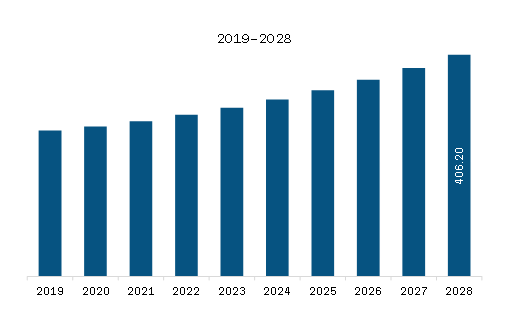
The SPECT equipment market in APAC is expected to grow from US$ 284.60 million in 2021 to US$ 406.20 million by 2028; it is estimated to grow at a CAGR of 5.2% from 2021 to 2028.
In the recent past, the introduction of SPECT cameras using digital cadmium zinc telluride (CZT) detectors has been one of the advancements in the SPECT equipment market. These replace the conventional photomultiplier tubes (PMTs) that have been the industry standard for years. CZT detectors are smaller, which decreases the size of SPECT systems, making them handier. Moreover, CZT detectors provide improved image quality with direct digital transfer of photons into electrical signals to create images. The detectors are more sensitive than PMT-based cameras; hence, they enable examination with half the amount of radiotracers used by traditional cameras. Alternatively, the dose that is commonly used can be one of the viable option and the imaging time can be reduced by 50%, known as half-time imaging, which is one of the restraining factors associated with radiopharmaceuticals in general. The use of fewer radiotracers is also attractive from a supply standpoint, lowering operational costs and because there have been shortages of some SPECT radioisotopes over the past few years. Hybrid systems that integrate a computed tomography (CT) scanner for PET-CT and SPECT-CT systems have become more popular in the market in recent times. These combined systems use CT for attenuation correct on the nuclear images, while adding CT anatomical image overlays improves the diagnosis accuracy to a greater extent, by visualizing the coronary anatomy to better pinpoint where blockages are causing perfusion defects.
The severe acute respiratory syndrome coronavirus 2 (SARS-COV-2) spread rapidly around the world in the early months of 2020 before the COVID-19 outbreak was officially declared a pandemic in March 2020. Worldwide volumes of non-emergent testing, such as cardiac SPECT, decreased dramatically at the beginning of the lockdown as health systems attempted to limit the spread of the COVID-19 virus. Countries in Asia Pacific are facing challenges due to increasing incidences of COVID-19. As per the data of Worldometer, as of June 23, 2021, the Asia reported a total of 54.7 million COVID-19 cases, while in India the number of cases has been increasing and reached to 30,028,709 cases with 390,691 deaths so far. China, India and Japan registered considerable number of COVID-19 cases. The medical practices in the region continue to adapt to the challenges of CsOVID-19. Hospitals and other healthcare facilities worldwide are forced to postpone elective procedures, such as diagnosis and surgeries. Most non-urgent therapies have been postponed. As a precautionary approach, oncology practices implemented specific measures to reduce the number of patients in outpatient clinics, reduce unnecessary or elective procedures, and discharge patients from inpatient services. This has negatively impacted the growth of the SPECT equipment market in the region. The COVID-19 is having a detrimental effect on cancer patients worldwide. In addition, market players have also been affected by the pandemic owing to supply chain contrarians and reduced demand. Even before the pandemic, Nuclear Medicine’s supply chain was highly complex, depending on the availability of raw materials, manufacturing facilities' operations, and air transportation reliability. Thus, the factors mentioned above are negatively impacting the SPECT Equipment market in the region.
With the new features and technologies, vendors can attract new customers and expand their footprints in emerging markets. This factor is likely to drive the SPECT equipment market. The APAC SPECT equipment is expected to grow at a good CAGR during the forecast period.
APAC SPECT Equipment Market Revenue and Forecast to 2028 (US$ Million)
APAC SPECT Equipment Market Segmentation
APAC SPECT Equipment Market – ByType
Hybrid SPECT
SPECT-CT
SPECT-MR
Standalone SPECT
APAC SPECT Equipment Market – By Radioisotopes
Iodine-123
Technetium-99m
Xenon-133
Thallium-201
Ra-223
Ga-66
Other Radioisotopes
APAC SPECT Equipment Market – By Application
Seizures
Stroke
Stress Fractures
Infections
Tumors
Others
APAC SPECT Equipment Market – By End User
Hospitals
Imaging Centers
Others
APAC SPECT Equipment Market- By Country
Japan
China
India
South Korea
Australia
Rest of APAC
APAC SPECT Equipment Market-Companies Mentioned
Bracco Imaging S.p.A.
Bruker Corporation
Cardinal Health, Inc
Curium
Lantheus Medical Imaging Inc.
Mediso Ltd.
Spectrum Dynamics Medical
Asia Pacific SPECT Equipment Market Strategic Insights
Get more information on this report
Asia Pacific SPECT Equipment Market Segmentation Analysis
Asia Pacific SPECT Equipment Market Report Highlights
Asia Pacific SPECT Equipment Report Scope
Report Attribute
Details
Market size in 2021
US$ 284.60 Million
Market Size by 2028
US$ 406.20 Million
CAGR (2021 - 2028)
5.2%
Historical Data
2019-2020
Forecast period
2022-2028
Segments Covered
By Type
Hybrid SPECT
Standalone SPECT
By Radioisotope Type
Iodine-123
Technetium-99m
Xenon-133
Thallium-201
Radium-223
Gallium-66
Other Radioisotopes
By Application
Seizures
Stroke
Stress Fractures
Infections
Tumors
By End User
Hospitals
Imaging Centers
Regions and Countries Covered
Asia-Pacific
China, India, Japan, Australia, Rest of Asia-Pacific
Market leaders and key company profiles
Bracco Imaging S.p.A.
Bruker Corporation
Cardinal Health, Inc
Curium
Lantheus Medical Imaging Inc.
Mediso Ltd.
Spectrum Dynamics Medical
Get more information on this report
Asia Pacific SPECT Equipment Market Country and Regional Insights
Get more information on this report
Identical Market Reports with other Region/Countries
The List of Companies - Asia Pacific SPECT Equipment Market
Bracco Imaging S.p.A.Bruker CorporationCardinal Health, IncCuriumLantheus Medical Imaging Inc.Mediso Ltd.Spectrum Dynamics Medical
Krishna is a Market Research Analyst with over 4 years of experience across Life Sciences and Materials & Chemicals industries. He holds a Bachelor's degree in Pharmacy (B.Pharm.) and a Master's degree in Pharmaceutical Medicinal Chemistry (M.Pharm.). His expertise spans market intelligence, competitive benchmarking, market sizing and forecasting, primary and secondary research, and strategic consulting.
Krishna has successfully contributed to numerous syndicated and custom research engagements, delivering industry reports, market assessments, competitive analyses, and business proposals for clients across diverse sectors. With ..
Show More
Frequently Asked Questions
How big is the Asia Pacific SPECT Equipment Market?
The Asia Pacific SPECT Equipment Market is valued at US$ 284.60 Million in 2021, it is projected to reach US$ 406.20 Million by 2028.
What is the CAGR for Asia Pacific SPECT Equipment Market by (2021 - 2028)?
As per our report Asia Pacific SPECT Equipment Market, the market size is valued at US$ 284.60 Million in 2021, projecting it to reach US$ 406.20 Million by 2028. This translates to a CAGR of approximately 5.2% during the forecast period.
What segments are covered in this report?
The Asia Pacific SPECT Equipment Market report typically cover these key segments-
Type (Hybrid SPECT, Standalone SPECT)
Radioisotope Type (Iodine-123, Technetium-99m, Xenon-133, Thallium-201, Radium-223, Gallium-66, Other Radioisotopes)
What is the historic period, base year, and forecast period taken for Asia Pacific SPECT Equipment Market?
The historic period, base year, and forecast period can vary slightly depending on the specific market research report. However, for the Asia Pacific SPECT Equipment Market report:
Historic Period : 2019-2020
Base Year : 2021
Forecast Period : 2022-2028
Who are the major players in Asia Pacific SPECT Equipment Market?
The Asia Pacific SPECT Equipment Market is populated by several key players, each contributing to its growth and innovation. Some of the major players include:
Bracco Imaging S.p.A.
Bruker Corporation
Cardinal Health, Inc
Curium
Lantheus Medical Imaging Inc.
Mediso Ltd.
Spectrum Dynamics Medical
Who should buy this report?
The Asia Pacific SPECT Equipment Market report is valuable for diverse stakeholders, including:
Investors: Provides insights for investment decisions pertaining to market growth, companies, or industry insights. Helps assess market attractiveness and potential returns.
Industry Players: Offers competitive intelligence, market sizing, and trend analysis to inform strategic planning, product development, and sales strategies.
Suppliers and Manufacturers: Helps understand market demand for components, materials, and services related to concerned industry.
Researchers and Consultants: Provides data and analysis for academic research, consulting projects, and market studies.
Financial Institutions: Helps assess risks and opportunities associated with financing or investing in the concerned market.
Essentially, anyone involved in or considering involvement in the Asia Pacific SPECT Equipment Market value chain can benefit from the information contained in a comprehensive market report.







 Get Free Sample For Asia Pacific SPECT Equipment Market