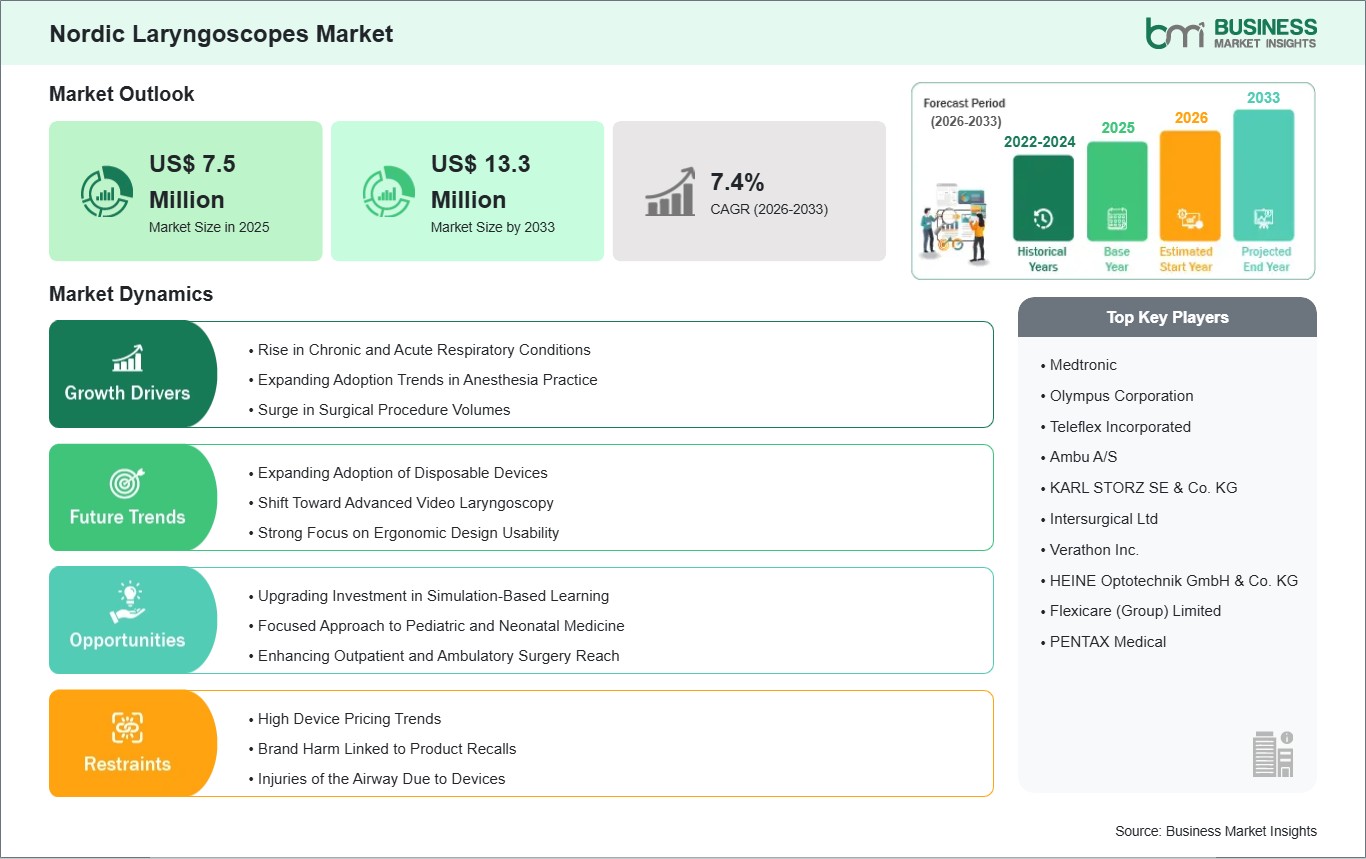
Rise in Chronic and Acute Respiratory Conditions
The Nordic region is experiencing a steady increase in respiratory conditions, shaped by cold climate patterns, aging populations, and strong urban environmental controls that still face seasonal challenges. Countries such as Sweden, Norway, Finland, Denmark, and Iceland see recurring spikes in respiratory infections during long winter periods, where influenza and pneumonia place consistent pressure on emergency and hospital services. These acute episodes often require rapid airway management, making laryngoscopes an essential tool in critical care and anesthetic practice.
In addition to acute respiratory illness, chronic diseases affecting the lungs, such as asthma and COPD, are also prevalent in the Nordic health care systems. While effective preventive treatment is known and used widely, certain elements within people's lifestyles, such as previous smoking and workplace environments in sectors such as shipping, mining, and manufacture are responsible for chronic respiratory disease. For instance, Swedish and Finnish physicians frequently deal with patients with chronic lung diseases that can progress to acute respiratory failure and require intubation.
The highly developed yet extremely centralized critical care system is another element that should be considered. Although intensive care units in Nordic hospitals are very advanced when it comes to procedures like ventilation and airway management, the increasing need for ICUs for aged individuals with several co-morbidities makes these interventions relatively frequent. Thus, using reliable laryngoscopes in both surgical and emergency situations becomes absolutely crucial.
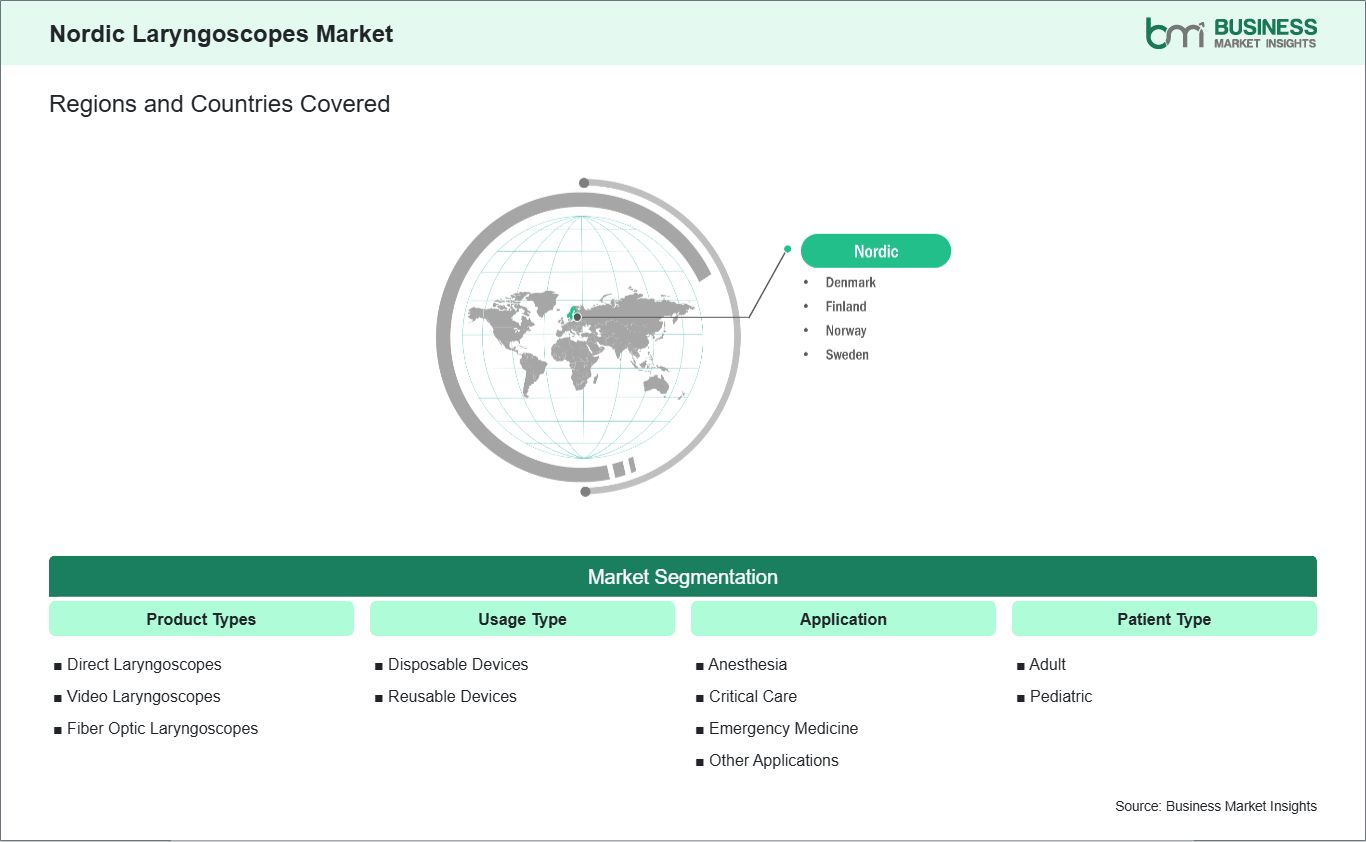
Increasing Financial Commitment to Simulation Training
Nordic healthcare systems are increasingly prioritizing simulation-based education as part of their commitment to patient safety and clinical excellence. Countries such as Norway, Sweden, and Finland have well-established simulation networks integrated into university hospitals, where clinicians regularly train in airway management scenarios using high-fidelity mannequins and scenario-driven learning environments. This is particularly important for refining intubation skills in high-risk, low-frequency emergency cases.
Another factor contributing to the financial and institutional investments in simulation training in the region is the high level of emphasis placed on teamwork and standardization of procedures within the medical setting. The anesthesiology and intensive care training are often combined in Nordic countries, which implies that medical practitioners must possess advanced skills in airway management. In other words, the utilization of simulation training facilities is aimed at not only enhancing technical skills but also promoting effective communication, crisis management, and coordination during airway emergencies.
Moreover, the collaborative efforts of the Nordic countries facilitate the further development of simulation training programs. In particular, the existence of common clinical practice guidelines and well-coordinated healthcare systems ensures that medical practitioners from all Nordic countries gain experience working with laryngoscopes. Consequently, the implementation of simulation training becomes instrumental in familiarizing medical professionals with modern laryngoscopes.