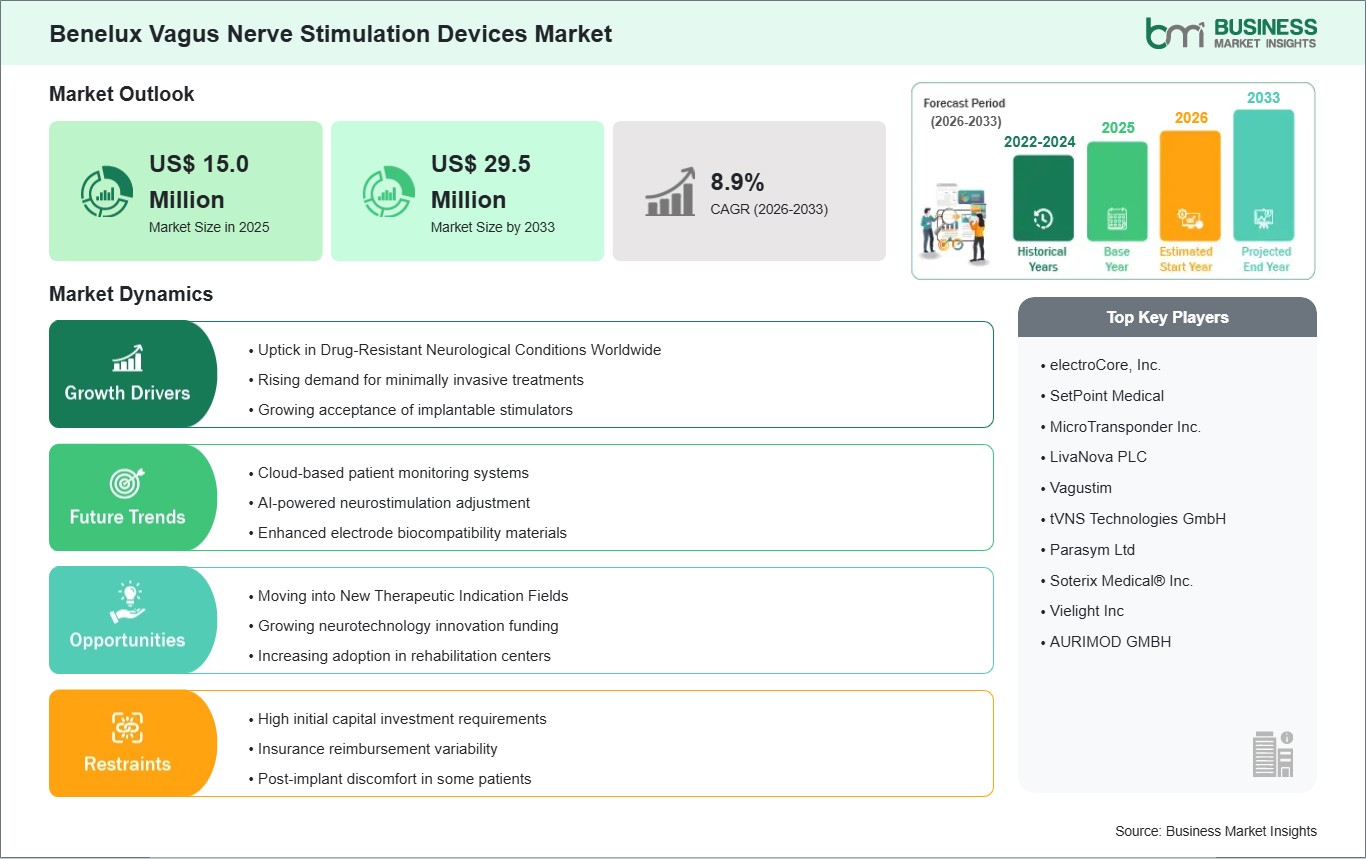
Uptick in Drug-Resistant Neurological Conditions Worldwide
The Benelux vagus nerve stimulation (VNS) devices market is influenced by a steady rise in drug-resistant neurological conditions, particularly epilepsy and complex mood disorders, within highly developed healthcare systems such as Belgium, the Netherlands, and Luxembourg. Despite strong pharmaceutical access and advanced neurological care pathways, a subset of patients continues to exhibit resistance to multi-line anti-epileptic therapies, creating a niche but clinically significant demand for neuromodulation-based interventions.
For example, the epilepsy cases that need a high level of intervention have started being managed through centralized treatment centers for epilepsy, including academic hospitals located in Utrecht and Amsterdam in the Netherlands. Belgium, being a country with a multilingual healthcare system, has established specialized neurology networks, within which epilepsy cases that are difficult to treat are referred to tertiary neurocare centers. Similarly, in Luxembourg, the small number of patients makes cross-border treatment possible due to neighboring countries.
Moreover, neurological problems occurring due to stroke in aging populations in the Benelux region are leading to an increasing number of patients with secondary epilepsy and other neurofunctional disabilities. With one of the fastest-growing populations in Western Europe, the region is experiencing a steady increase in patients with neurological disorders that cannot be adequately managed using conventional pharmaceutical methods. This is fueling research into alternative treatments like VNS.
Moving into New Therapeutic Indication Fields
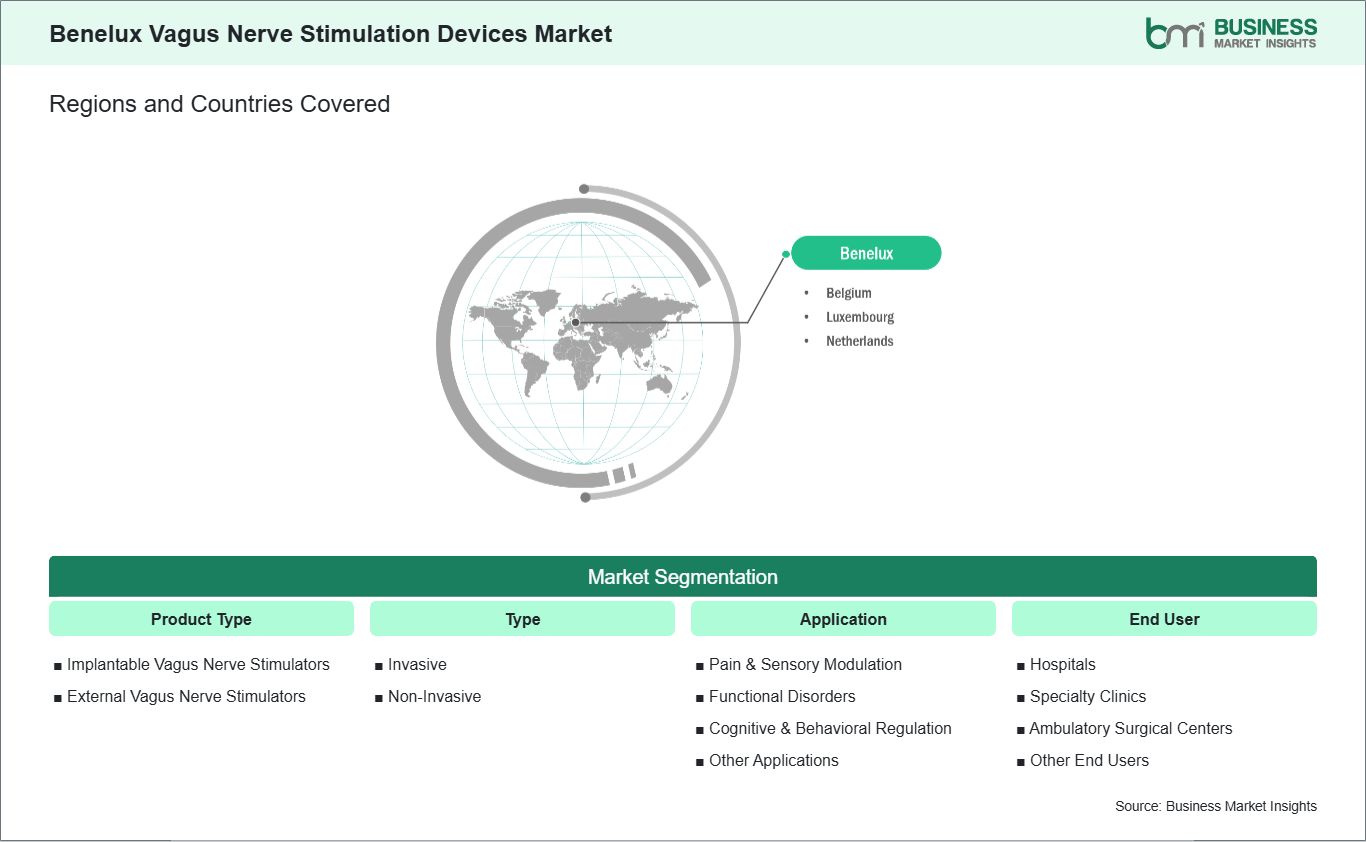
In the Benelux countries, the use of vagal nerve stimulation technology is slowly gaining popularity from applications in epilepsy to other fields such as psychiatry and neurorehabilitation, thanks to robust clinical research facilities and collaborations among researchers across borders. Hospitals in the Netherlands and Belgium have been involved in the development of neuromodulation technologies used to address depression resistant to medication and psychotherapy.
Another area attracting attention in recent years is stroke rehabilitation, where there is an increasing focus by clinicians on the role of VNS in promoting neuroplasticity and recovery in patients after stroke. This is evident from several ongoing research efforts involving the integration of various approaches, such as physical and occupational therapy, within Dutch centers for neurorehabilitation.
In addition, chronic migraine and autonomic nervous system disorders are gaining attention in Benelux pain management clinics, where there is increasing openness to non-pharmacological treatment options. Luxembourg‘s cross-border patient access model also enables exposure to experimental neuromodulation therapies through collaborations with Belgian and German medical centers. This interconnected healthcare ecosystem is supporting gradual but steady diversification of VNS applications beyond traditional neurological indications.